

Ho Chi Minh City Hotel Areas for Planning a District 1 Stay
Many travelers arrive in Ho Chi Minh City feeling overwhelmed by the dense network of streets and the sheer number of accommodation options. The primary challenge is often deciding which specific zone within the central hub aligns with their daily goals, as a few blocks can shift the experience from quiet colonial charm to neon-lit bustle. Understanding the various Ho Chi Minh City hotel areas is essential for those who want to minimize commute times and maximize their exploration of the city's vibrant culture. This guide is designed for international visitors who are currently comparing options and want a logical framework to decide where their home base should be.
The Challenge of Choosing a Base in a Busy Metropolis
Ho Chi Minh City is a place of intense energy where the rhythm of the street can dictate the quality of a stay. For most international visitors, the focus remains on District 1, the administrative and commercial heart of the city. However, District 1 is not a monolith. The atmosphere changes rapidly between the high-end shopping streets, the historic colonial quarters, and the backpacker-centric zones.
Choosing a location based solely on a map can be misleading. The actual experience of a stay depends on the proximity to main traffic arteries versus the quietude of the smaller alleys, known locally as "hem". For travelers who prefer a slower pace, a hotel tucked away in a quieter side street may be more suitable, whereas those who want immediate access to dining and nightlife might find the busier intersections more appealing.
The fit of a destination depends heavily on the traveler's priorities. Business travelers often prioritize proximity to corporate offices and high-speed connectivity, while families may seek larger room configurations and quieter environments. Understanding these nuances helps in selecting a hotel area that supports the intended trip mood rather than hindering it.
Comparing Ho Chi Minh City Hotel Areas Within District 1
When evaluating Ho Chi Minh City hotel areas, it is useful to categorize the central district into a few distinct zones based on the travel experience they offer. The area surrounding the Ben Thanh Market is often a primary choice for first-time visitors due to its central location and accessibility to various transport options. This zone is characterized by high activity levels and a dense concentration of services.

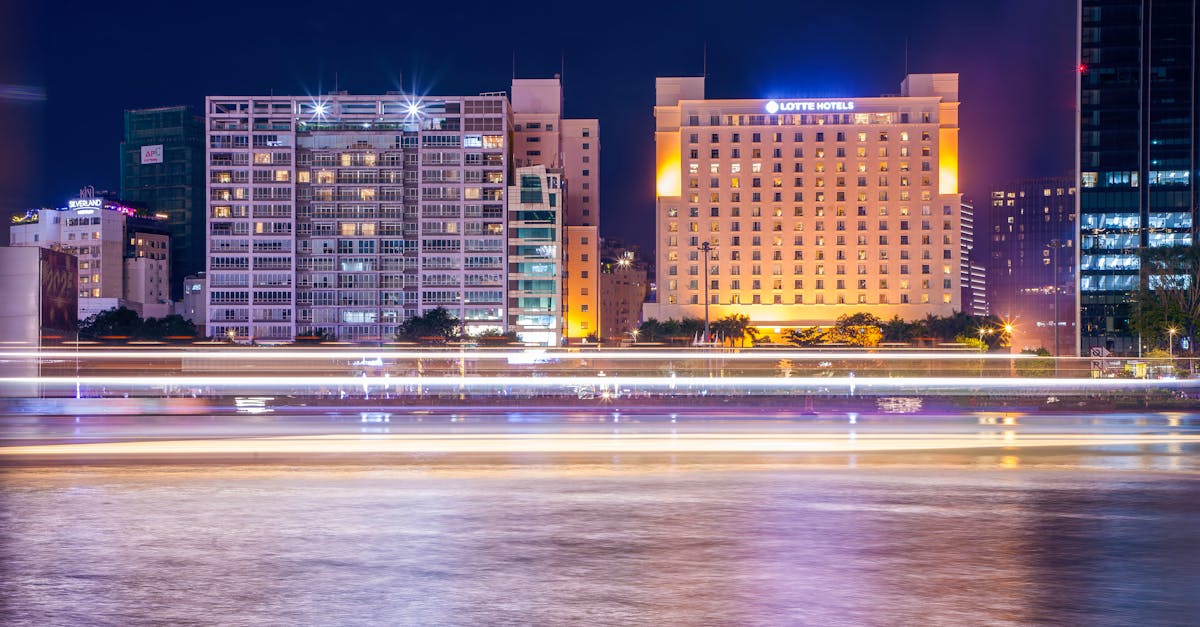
Further toward the riverfront, the atmosphere tends to shift toward a more upscale, modern feel. This part of the city often hosts larger international brands and luxury developments. It is generally more spacious and offers a different perspective of the city's skyline, making it worth considering for those who prefer a more polished, structured environment.
Then there is the area around Dong Khoi and the Opera House, where the influence of French colonial architecture is most evident. This zone typically feels more sophisticated and is often preferred by couples or travelers who enjoy boutique experiences. The streets here are lined with high-end galleries and cafes, providing a more curated urban experience.
Conversely, the area near Bui Vien is the epicenter of the backpacker scene. While it offers a high energy and budget-friendly options, the noise levels can be significant. This area is likely to appeal to younger travelers or those seeking a social atmosphere, but it may be less ideal for those prioritizing sleep and tranquility.
How Local Texture Influences Your Daily Movement
In Ho Chi Minh City, the distance between two points on a map does not always translate to an easy walk. Traffic patterns, weather conditions, and the layout of the streets play a significant role in how travelers navigate. A hotel that seems close to a landmark might be separated by a major road that is challenging to cross during rush hour.
Local context is vital when deciding where to stay. For example, staying near the riverside provides a sense of openness in an otherwise crowded city, offering a place for evening walks and a breeze that can be refreshing in the tropical heat. Meanwhile, staying deep within the alleyways provides a glimpse into the local way of life, with small family-run eateries and quiet corners, though it may require a short walk to reach the main road for ride-hailing services.
Travelers comparing this destination can place individual hotel reviews next to area guides so the final choice reflects both location and room expectations. By understanding the local texture, visitors can avoid the common mistake of booking a hotel that looks great in photos but is located in an area that does not match their preferred pace of travel.
Selecting the Right Accommodation Style for Your Trip Pace
The type of accommodation chosen can either enhance or detract from the city experience. Full-service hotels in the primary Ho Chi Minh City hotel areas offer predictability, with amenities like gym facilities and breakfast buffers that can simplify a busy itinerary. These are often the safest bet for those unfamiliar with the city who want a seamless experience.

Boutique hotels and small guesthouses, particularly in the colonial quarter, provide more character and a more intimate feel. These stays are often more suitable for couples or solo travelers looking for a unique aesthetic. However, it is worth confirming the availability of elevators and the size of the rooms, as some historic buildings may have more limited space.
For those staying longer than a few days, serviced apartments are a practical alternative. These provide kitchenettes and laundry facilities, which can be highly beneficial for families or business travelers. When considering an apartment, travelers should verify the check-in process and the security of the building, as these can vary significantly from standard hotel operations.
Budget stays and hostels are concentrated in specific pockets. While they offer cost savings, the trade-off is often found in the room size and soundproofing. For budget-conscious travelers, the location becomes even more critical to avoid spending the saved money on frequent transport costs.
Critical Room Category and Booking Checks Before Payment
Before finalizing a booking, it is important to look beyond the primary photos. In a dense city like Ho Chi Minh City, room categories can vary wildly in terms of light and noise. A "Standard Room" might be located on a lower floor facing a narrow alley, meaning it may have limited natural light and rely entirely on artificial lighting.
Noise is a significant factor. It is worth checking if the room has double-glazed windows or if the property is located away from a main construction site or a loud entertainment street. Reviewing recent guest comments specifically regarding "street noise" or "air conditioning volume" can provide a more realistic expectation of the sleep quality.
Booking conditions should also be scrutinized. In a city with a dynamic travel market, cancellation terms can be quite varied. Travelers should prioritize options with flexible cancellation policies to account for any changes in travel plans. Additionally, verifying whether breakfast is included or if there are hidden service charges can prevent surprises during check-out.
For those traveling in groups or families, the bed configuration is a key check. Some hotels may list a "Family Room" that consists of multiple small beds rather than one large bed and a sofa, which may not suit every group's needs. Confirming the exact room layout before payment is always a prudent step.
Practical Checklist for Verifying Your Stay
- Confirm the exact map location to see if the hotel is on a main road or in a quiet alley.
- Check the room category to ensure it has a window and sufficient natural light.
- Verify the noise-reduction features or read recent reviews regarding street noise.
- Review the cancellation terms and payment conditions to ensure flexibility.
- Check for essential amenities such as reliable Wi-Fi, elevators, and air conditioning.
- Confirm the distance to the nearest primary transport hub or major landmark.
- Verify the bed configuration and room size if traveling with children or as a group.
FAQ about Ho Chi Minh City hotel areas
Which Ho Chi Minh City hotel areas are most central for first-time visitors?
The areas surrounding Ben Thanh Market and the Dong Khoi street corridor are generally considered the most central. These locations provide easy access to major sights, a wide variety of dining options, and convenient connections to ride-hailing services, making them highly suitable for those visiting the city for the first time.
What should be checked when booking a hotel in Ho Chi Minh City?
Travelers should prioritize checking the noise level and the specific room category. Because the city is very dense, it is worth confirming if the room has soundproofing or if it faces a noisy street. Additionally, verifying the current booking conditions and cancellation policies is recommended before making a payment.
Is it better to stay in a luxury hotel or a boutique apartment in the city?
This depends on the traveler's needs. Luxury hotels are more suitable for those who value consistent service and full amenities. Boutique apartments may be better for families or long-term visitors who require more space and the practicality of a kitchen, though they may offer less on-site service.
Balancing Convenience and Comfort for the Final Decision
Deciding where to stay in Ho Chi Minh City requires a balance between the desire for convenience and the need for comfort. While District 1 is the most logical choice for most, the specific area chosen within the district will define the daily travel experience. Whether it is the high-energy atmosphere near the markets or the refined elegance of the riverside, the location should align with the traveler's physical pace and mental expectations.
For those who enjoy the hustle and bustle, the heart of the city is an ideal base. For those who need a sanctuary to return to after a day of exploration, seeking out a hotel in a quieter pocket of the colonial quarter or a high-rise with better soundproofing may be more appropriate.
As planning moves toward the booking stage, travelers are reminded to check current rates, room category availability, and the exact map location of the property. Booking conditions and cancellation policies should be verified one last time to ensure the stay is as flexible as the itinerary requires.
