


Osaka hotel areas for practical stay planning in Namba and Umeda
Selecting a place to stay in a sprawling metropolis often begins with a search for the lowest price or the most attractive photos on a listing page. However, booking based solely on these factors can lead to unexpected challenges, such as long commutes that drain energy or room sizes that do not accommodate professional needs. For those visiting Japan for the first time, understanding the layout of Osaka hotel areas is the first step in avoiding these pitfalls. This is particularly true for business travelers who must balance a tight work schedule with the desire for a quality stay that offers more than just a bed.
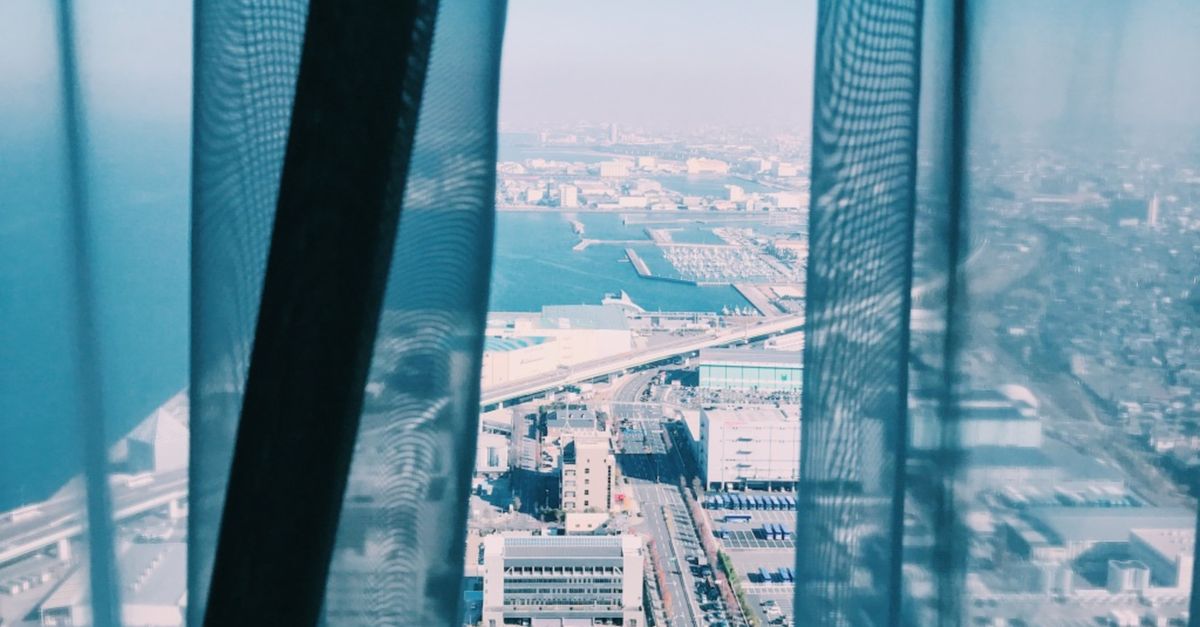
The risk of booking based only on visual appeal
High-resolution photos can often mask the reality of a location. A room might look spacious in a wide-angle shot, but for a professional needing a desk or a traveler with several suitcases, the actual square footage may be limiting. Similarly, a low nightly rate can be deceptive if the accommodation is located far from primary transit hubs, adding significant cost and time to daily travel.
In a city like Osaka, the difference between a stay that feels convenient and one that feels like a chore often comes down to the specific neighborhood. Instead of prioritizing the image gallery, travelers should focus on the map and the specific utilities provided within the room. Confirming the presence of a reliable workspace or a functional kitchenette can make a significant difference for those staying longer than a few nights.
Balancing professional commutes in Northern Osaka
The Umeda area serves as the primary gateway to the city and is often a preferred choice for those prioritizing efficiency. As a major transit hub, it provides streamlined access to other cities and the airport, making it a logical base for business travelers. The atmosphere here is more corporate and structured, which may suit those who prefer a polished environment and proximity to high-rise office districts.
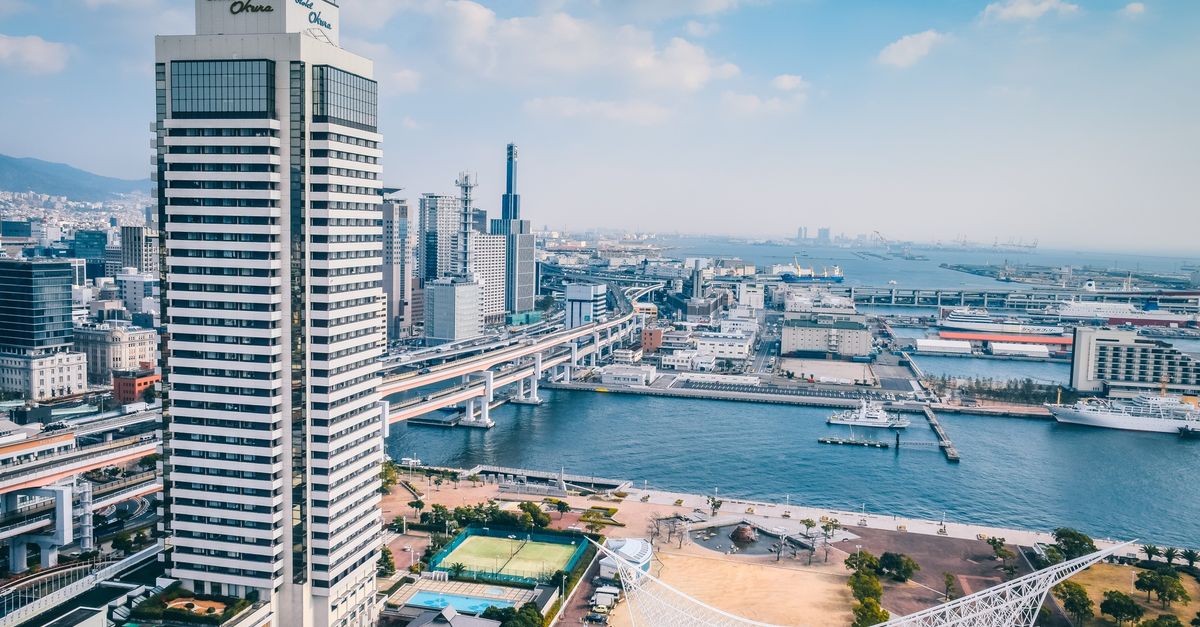
Staying in Umeda can reduce the stress of navigating the city, as many essential services and dining options are integrated into the station complexes. However, the density of the area means that navigating the streets can be confusing. It is worth confirming the exact walking path from the hotel to the nearest station entrance to avoid unnecessary delays during morning commutes. The accommodation style here tends to lean toward traditional business hotels, though larger serviced apartments are also available for those seeking more autonomy.
The energy of Southern Osaka for practical access
For those who want to be closer to the cultural heartbeat of the city, Namba offers a different rhythm. This area is famous for its vibrant street food, neon lights, and shopping districts. While it is highly attractive for first-time visitors, it can also be a practical choice for professionals who prefer a more relaxed, social environment after work hours.
Namba provides excellent connectivity to the southern parts of the city and is often more convenient for those planning trips to nearby Nara or Wakayama. The trade-off is that the area can be considerably noisier and more crowded than Umeda. When researching Osaka hotel areas in the south, it is important to check the soundproofing of the room or the floor level to ensure a quiet night's sleep. Many travelers find that Namba offers a more diverse range of accommodation styles, from boutique stays to modern apartment rentals.
Apartment stays versus traditional hotels for business needs
For the business traveler, the choice between a standard hotel and an apartment-style stay often depends on the length of the visit. Traditional hotels offer the convenience of daily housekeeping and a front desk, which can be useful for managing luggage or receiving parcels. However, they often lack the space and facilities required for a more settled stay.
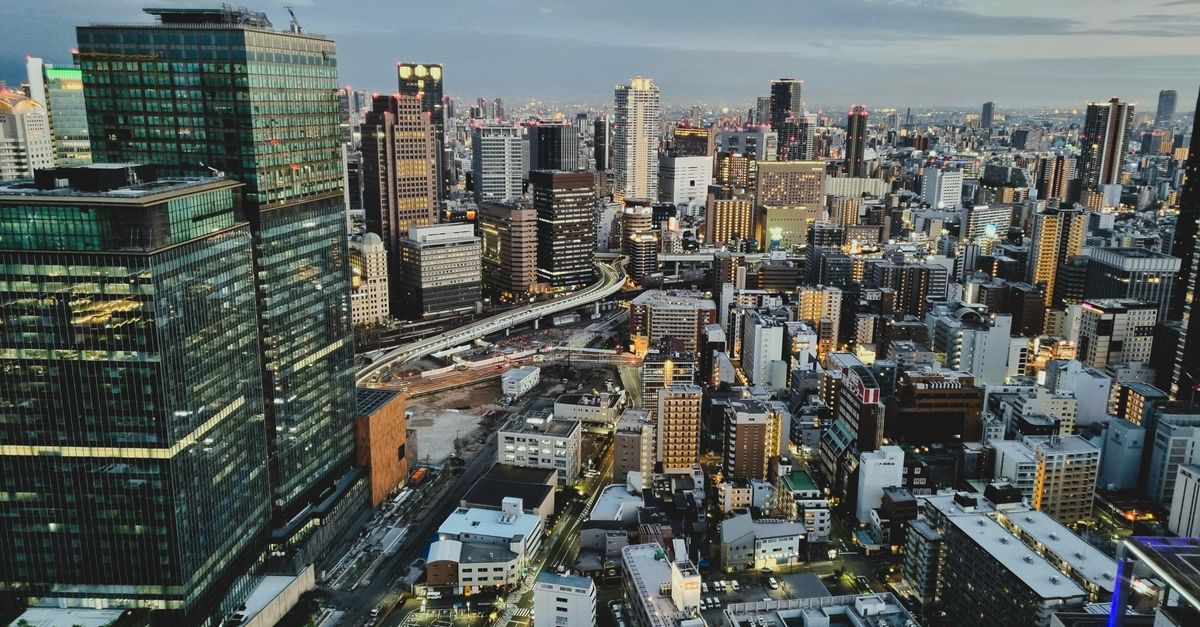
Apartment stays are becoming increasingly popular in Osaka because they typically include a small kitchen and laundry facilities. Being able to wash clothes and prepare simple meals can significantly reduce travel fatigue and expenses. When considering an apartment, travelers should verify the check-in process, as some use automated keys or remote hosts rather than a 24-hour lobby. It is also worth checking if the Wi-Fi is dedicated to the unit or shared across the building, as stable connectivity is a non-negotiable for professional work.
Critical room category and booking checks
Before finalizing a booking, it is essential to look beyond the general room type. In Japan, room sizes can vary drastically even within the same category. A semi-double room may be too tight for a single professional with a laptop and luggage, making a standard double or a twin room a more sustainable choice.
Booking conditions also require careful scrutiny. Cancellation policies can be strict, and some rates may be non-refundable. Given the possibility of changing business schedules, choosing a flexible rate is often worth the slight increase in cost. Additionally, travelers should verify if the listed amenities, such as a gym or a business center, are actually accessible during their intended hours of use.
Travelers comparing this destination can place individual hotel reviews next to area guides so the final choice reflects both location and room expectations.
Essential verification checklist for Osaka stays
- Verify the exact walking distance to the nearest subway or train station on a map.
- Check if the room category includes a dedicated desk or a table suitable for work.
- Confirm the laundry setup, whether it is an in-room machine or a shared coin-operated facility.
- Review recent guest feedback regarding noise levels, especially in the Namba area.
- Check the check-in method for apartments to ensure it aligns with your arrival time.
- Confirm the cancellation terms and payment deadlines to avoid unexpected charges.
FAQ about Osaka hotel areas
Which of the Osaka hotel areas is better for airport access?
Umeda is generally more convenient for those using the regional rail networks, while Namba offers direct access via the Nankai line from Kansai International Airport. Depending on the specific transport method, either area can be efficient, but checking the current rail schedules and transfer points is recommended before booking.
Are apartment stays in Osaka suitable for short business trips?
Apartment stays can be very useful even for short trips if you require laundry facilities or a kitchen to manage your diet. However, they may lack the immediate service of a hotel front desk. Travelers should confirm the check-in procedure and Wi-Fi reliability to ensure it meets professional standards.
What should I check before booking a hotel in Namba?
It is important to check the location of the property relative to the main shopping streets to avoid excessive noise. You should also verify the room size and soundproofing, as Namba is a high-energy district that can remain loud late into the night, which might affect sleep quality.
Matching your itinerary to the right neighborhood
The decision between Namba and Umeda ultimately depends on whether your priority is corporate efficiency or cultural immersion. Umeda is likely to appeal to the traveler who wants a streamlined, business-centric experience with rapid transit access. Namba is more suitable for those who wish to step out of their hotel and be immediately surrounded by the sights and sounds of Osaka.
For those opting for apartment stays, the added flexibility of a home-like environment can offset the lack of traditional hotel services. Regardless of the area chosen, the most successful stays are those where the traveler has verified the room category and map location against their actual daily needs rather than relying on promotional images.
As you move from the planning phase to booking, remember to check current rates, room availability, and the most recent booking conditions to ensure the accommodation still aligns with your itinerary.
