

Fukuoka Hotel Areas for a Practical First-Time Visit
Planning a trip to Fukuoka often begins with an itinerary of shrines, shopping, and ramen, but the actual experience is largely dictated by where you drop your bags. For short-stay travelers, the choice of Fukuoka hotel areas is the most critical decision because it determines how much time is spent in transit versus exploring. A poorly chosen base can turn a relaxing city break into a series of long commutes, whereas a strategic location allows for a seamless flow between arrival, dining, and sightseeing. This guide is designed for those who need a straightforward approach to selecting a stay that aligns with their travel pace.
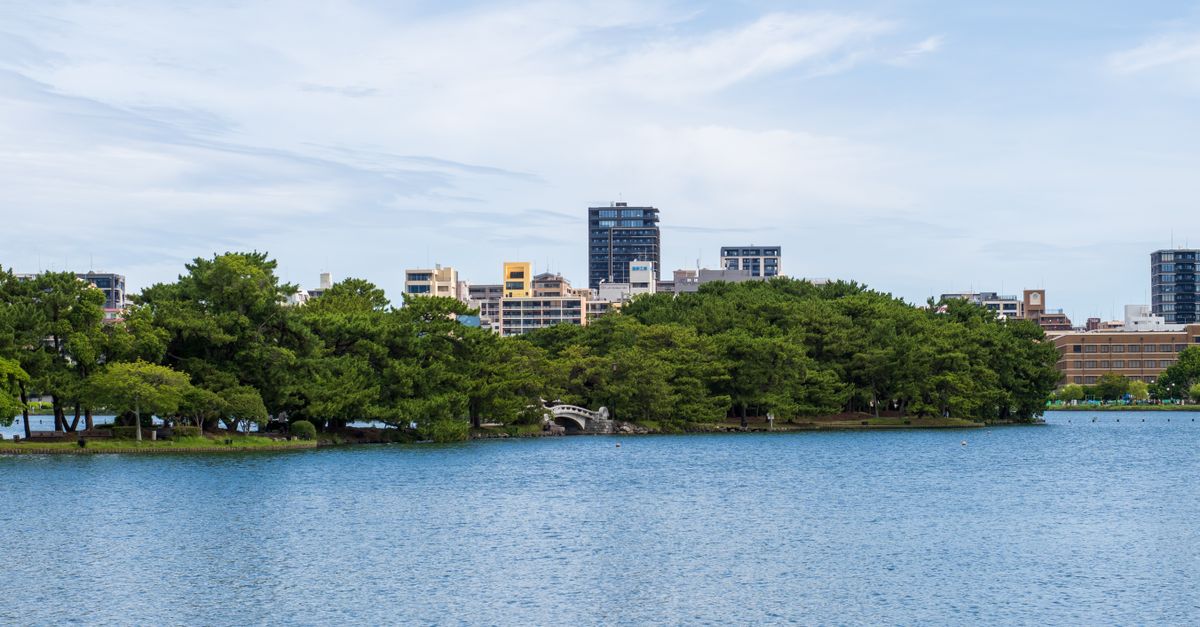
Why the stay location defines your Fukuoka rhythm
Fukuoka is a compact city, but its layout is split between distinct functional zones. The rhythm of your trip changes depending on whether you are based near the primary transport gateways or in the heart of the commercial districts. For travelers arriving via the airport or Shinkansen, staying near the transit hubs can reduce the stress of navigating unfamiliar streets with luggage. Conversely, those who prioritize late-night dining and shopping may find that a different area offers a more vibrant atmosphere.
Selecting the right base is not just about proximity to a single landmark, but about how that location connects to the rest of the city. Depending on your itinerary, a location that seems central on a map might actually be a few blocks too far from the most convenient subway entrance or bus stop, which can impact the ease of daily movement.
Comparing central hubs and quieter quarters
When evaluating Fukuoka hotel areas, most first-time visitors find themselves comparing the Hakata and Tenjin districts. The area around Hakata Station is often more suitable for those who prioritize efficiency, as it serves as the main artery for trains and airport buses. It is a high-energy zone where hotels tend to be integrated with large commercial complexes, making it a practical choice for short stays where every hour counts.
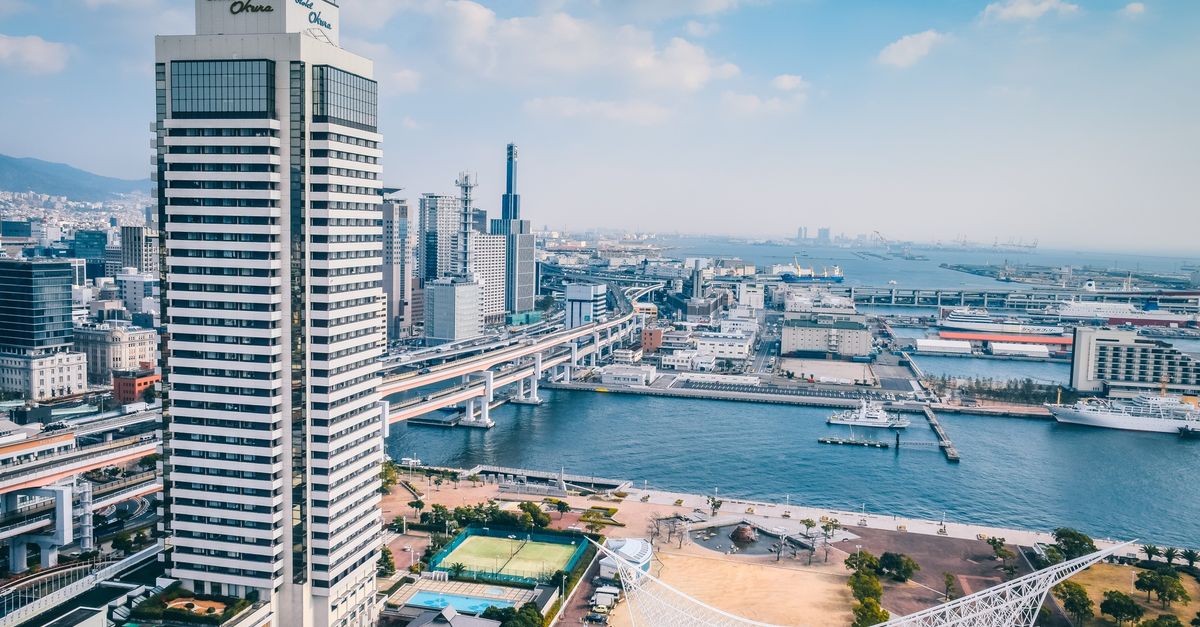
Tenjin, on the other hand, is the city's shopping and fashion heartbeat. Staying in this area may suit travelers who enjoy walking to boutiques, underground malls, and a wider variety of cafes. While still very accessible, the vibe here is more about urban exploration than transit efficiency. For those seeking a quieter experience, looking slightly outside these two main hubs can lead to more residential atmospheres, though this often requires a trade-off with walking distances to major attractions.
Navigating the local texture of dining and shopping
One of the unique aspects of staying in Fukuoka is the presence of Yatai, the traditional open-air food stalls. These are primarily concentrated in specific pockets, such as Nakasu and Tenjin. If experiencing this local texture is a priority, choosing a stay within walking distance of these clusters can enhance the evening experience, allowing travelers to return to their rooms easily after a night of sampling local specialties.
The city also features large-scale shopping destinations like Canal City. While these are accessible from most central areas, staying within a reasonable walking radius can be a significant advantage for those who plan to do heavy shopping. It is worth confirming on a map whether a hotel is actually "near" these spots or if it requires a bus trip, as city blocks in Japan can sometimes be deceptive.
Choosing between business hotels and larger stays
Accommodation in Fukuoka varies significantly in style. Business hotels are ubiquitous and often provide a highly efficient, clean, and affordable experience. These are typically ideal for solo travelers or couples who only need a place to sleep and shower. However, the room sizes in these establishments can be quite compact, which may be a challenge for those with large suitcases.

For families or those preferring more space, larger full-service hotels or apartment-style stays are worth considering. These often provide more generous room categories and additional amenities like breakfast buffets or laundry facilities. When comparing these options, travelers should evaluate whether the higher price point is justified by the added space or if a smaller business hotel in a superior location would better serve their needs.
Essential room and booking checks for Japan
Booking a stay in Japan requires a different set of checks than in other regions. First, the room category is vital; a "semi-double" room is often smaller than a standard double and may be tight for two adults. It is advisable to check the exact square footage listed in the room description to avoid surprises upon arrival.
Furthermore, since transport and rates fluctuate by season, travelers should verify the current cancellation terms. Many hotels offer flexible rates that are slightly more expensive but provide peace of mind for international travelers whose flights may change. Travelers comparing this destination can place individual hotel reviews next to area guides so the final choice reflects both location and room expectations.
Staying organized before you book
To ensure the selected accommodation truly fits the trip, consider this verification list before completing the payment:
- Confirm the walking distance from the nearest subway station or bus stop using a map.
- Verify the exact bed type and room size to ensure it fits the number of travelers.
- Check if the hotel is located in a high-noise area, especially if near Yatai districts.
- Review the cancellation policy for flexibility in case of travel disruptions.
- Confirm the availability of luggage storage for early arrivals or late departures.
- Check for essential amenities like Wi-Fi strength and laundry options if staying longer.
FAQ about Fukuoka hotel areas
Which Fukuoka hotel areas are best for airport access?
The area around Hakata Station is generally the most convenient for airport access. Most airport buses and the subway line connect directly to this hub, making it a practical base for those who want to minimize transit time upon arrival or before departure from the city.
What should I check about room sizes in Fukuoka?
Travelers should carefully check the room dimensions in square meters. In many central areas, business hotels offer very compact rooms where opening a large suitcase may be difficult. Confirming the bed configuration, such as "twin" versus "semi-double," is essential for comfort.
Is it better to stay near Hakata or Tenjin?
It depends on the trip's primary goal. Hakata is better for transport efficiency and those visiting other cities via Shinkansen. Tenjin is more suitable for those who want to be immersed in shopping, dining, and the city's urban culture within walking distance.
Matching your itinerary to the right base
The decision on where to stay in Fukuoka ultimately depends on whether you prioritize the ease of arrival or the excitement of the city's core. For a first-time visit, sticking to the established hubs of Hakata or Tenjin is usually the safest bet to avoid logistical frustrations. Those who prefer a fast-paced, transit-heavy trip will likely find the Hakata area more appealing, while those seeking a leisurely stroll through shops and cafes will favor Tenjin.
As with any international trip, it is important to remember that rates, availability, and booking conditions can change. Before finalizing a stay, travelers are encouraged to check the latest map locations, read recent guest feedback regarding room sizes, and confirm the specific cancellation terms of the booking platform to ensure the stay matches their actual needs.
