

Jeju Island Hotel Booking Tips for a Better Stay Experience
Many travelers arrive at their Jeju Island accommodation only to find that the promised ocean view is obscured by another building or that the resort is located too far from the nature trails they intended to visit. Planning a stay on this volcanic island requires a different approach than a typical city break, as the geography significantly impacts daily movement. For international visitors, the challenge often lies in balancing the desire for luxury resort amenities with the practical need for accessibility. This guide provides Jeju Island hotel booking tips to help travelers navigate these decisions, ensuring the chosen stay aligns with their itinerary and expectations before any payment is made.

The Island Rhythm and Who It Suits
Jeju Island offers a distinct mood that blends rugged volcanic landscapes with a highly developed hospitality infrastructure. For some, the appeal lies in the slow pace of coastal villages, while others seek the polished experience of high-end resorts. This destination likely appeals to couples seeking privacy, families wanting spacious resort facilities, and nature enthusiasts who prefer being close to the hiking trails of Hallasan or the coastal cliffs.
Because the island is vast and public transport can be less intuitive for non-Korean speakers, the type of traveler you are will dictate where you should stay. Those who rely on ride-hailing or taxis may find certain remote resort areas restrictive, whereas those renting a car have more flexibility to choose secluded stays. Understanding this fit is the first step in avoid choosing a hotel based solely on an attractive photo without considering the logistical reality of the location.
Balancing Convenience and Nature Across Hotel Areas
When planning where to stay, the primary decision usually falls between the north and the south of the island. Jeju City, located in the north, is the most practical base for those who have limited time or prefer being near the airport and urban amenities. This area is often more suitable for short-stay travelers or those who prioritize shopping and diverse dining options over secluded nature.

In contrast, Seogwipo in the south is generally more associated with the classic resort experience. The mood here is calmer, with a stronger focus on waterfalls, coastal walks, and luxury wellness facilities. While the south offers a more "vacation" feel, it requires a significant drive from the airport. Travelers comparing this destination can place individual hotel reviews next to area guides so the final choice reflects both location and room expectations.
The eastern and western coasts offer a different texture, often featuring boutique pensions or smaller hotels. The east is frequently chosen for its sunrise views and proximity to Seongsan Ilchulbong, while the west is popular for its sunset vistas and artistic cafes. These areas are less ideal for those who want a centralized hub but are perfect for travelers seeking a quiet retreat.
Why Geographic Location Dictates the Trip Pace
A common mistake for first-time visitors is assuming that a hotel in one part of the island allows easy access to the rest. Jeju is larger than many maps suggest, and traffic can be unpredictable. If a traveler stays exclusively in Jeju City but spends every day driving to the southern coast, they may find themselves spending several hours in a car daily, which can detract from the relaxation of the trip.
It is worth considering a split-stay strategy—dividing the trip between a city hotel in the north and a resort in the south. This approach reduces commute times and allows the traveler to experience two different moods of the island. Before booking, travelers should check a map to see how many of their planned points of interest cluster around the hotel's location. Relying on a hotel's claim of being "centrally located" can be misleading, as "central" may refer to the city center rather than the island's geographic center.
Comparing Resort Stays and Boutique Pensions
The choice of accommodation style in Jeju significantly alters the traveler's experience. Large-scale resorts are designed for convenience and luxury, often providing comprehensive amenities like swimming pools, spas, and multiple on-site restaurants. These are generally more suitable for families or those who prefer a self-contained environment where the hotel itself is part of the destination.
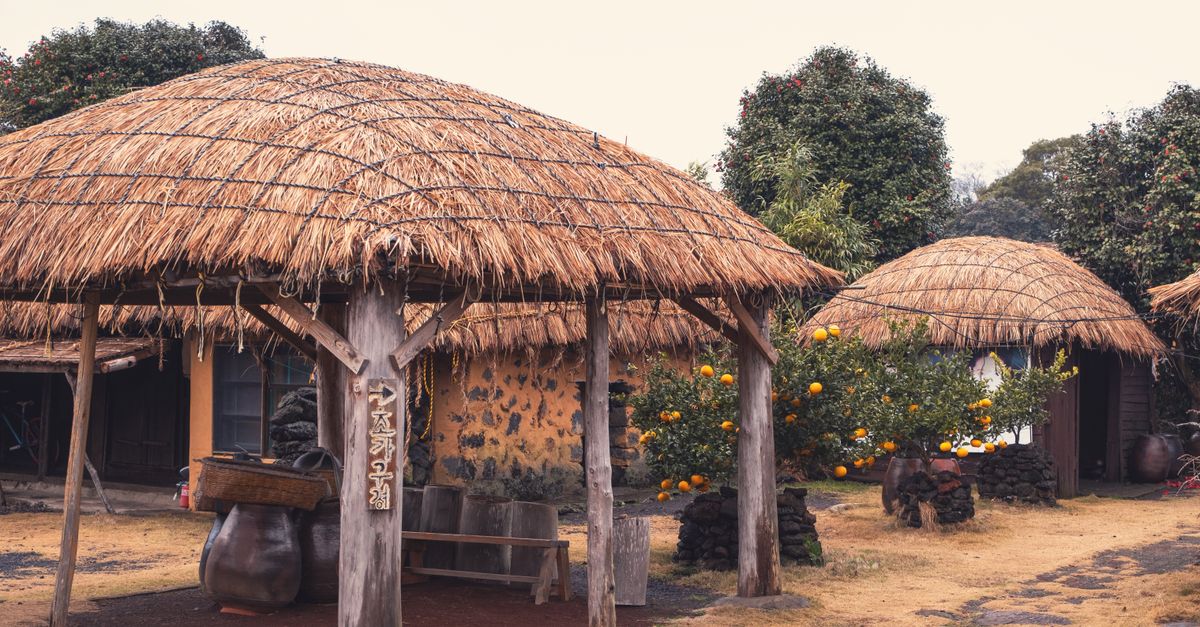
On the other hand, boutique pensions and traditional-style stays offer a more intimate and local texture. These accommodations often provide a more authentic sense of Jeju's residential life and may be located in quieter, more scenic neighborhoods. However, they may lack the extensive services of a resort, such as 24-hour reception or diverse breakfast buffets. The trade-off is typically between the predictability of a resort and the charm of a smaller, locally managed property.
Verifying Room Views and Resort Amenities
One of the most critical Jeju Island hotel booking tips involves the scrutiny of room categories. In a destination defined by its scenery, the term "Ocean View" can be interpreted in various ways. A "Full Ocean View" typically means an unobstructed sight of the sea, while a "Partial Ocean View" or "Sea View" might mean the water is visible only from a specific angle or through a gap between buildings.
Travelers should verify if the view is a primary feature of the room or an optional upgrade. Similarly, "Garden Views" in Jeju can range from a manicured courtyard to a view of a parking lot with a few shrubs. It is advisable to check recent guest photos or contact the property to confirm the specific orientation of the room category being booked.
Regarding amenities, it is important to confirm the availability of parking, as car rentals are almost essential for exploring the island. Additionally, checking for shuttle services to the airport or main tourist hubs can save significant time and money. For those staying in resorts, verifying whether the pool or gym is seasonal or requires an extra fee is a prudent step before final payment.
Essential Pre-Booking Checklist
To ensure the accommodation matches the travel goals, travelers should use the following checklist during the comparison phase:
- Verify the exact room category to distinguish between full, partial, and obstructed views.
- Cross-reference the hotel location on a map with the main sightseeing spots on the itinerary.
- Confirm if parking is free and available on-site, especially for rental car users.
- Check the cancellation policy and payment terms to allow for flexibility in itinerary changes.
- Review the proximity to the nearest convenience store or pharmacy, particularly for resort stays.
- Confirm if breakfast is included or if there are diverse dining options within walking distance.
- Check for the availability of elevators or ground-floor rooms if traveling with elderly family members.
FAQ about Jeju Island hotel booking tips
Which area should I prioritize when applying Jeju Island hotel booking tips?
The priority depends on your trip goals. If you value convenience, shopping, and easy airport access, prioritize Jeju City in the north. If you seek nature, luxury resorts, and a slower pace, the Seogwipo area in the south is more suitable. Those seeking seclusion should look toward the east or west coasts.
How can I ensure my room actually has a sea view in Jeju?
You should specifically check for the term "Full Ocean View" rather than "Sea View" or "Partial View." It is also helpful to look at guest-uploaded photos from the same room category on trusted booking sites to see the actual perspective and check for obstructions before confirming the reservation.
Are resorts better than pensions for international travelers in Jeju Island?
Resorts are generally better for those who prefer English-speaking staff, comprehensive facilities, and a predictable level of service. Pensions offer a more local, intimate experience and may be more budget-friendly, but they might require more proactive communication and offer fewer on-site amenities.
Making the Final Stay Decision
Choosing the right accommodation in Jeju Island is less about finding the "best" hotel and more about finding the best fit for a specific itinerary. A luxury resort in the south may be a poor choice for someone who wants to spend most of their time in the north, just as a budget city hotel might feel restrictive for someone seeking a nature retreat.
International travelers should consider their pace of travel and their mode of transport before committing to a location. For those who value effortless logistics, sticking to established resort areas is a safe bet. For those who wish to uncover the island's quieter side, exploring boutique options in the east or west may be more rewarding.
As rates, room availability, and hotel policies are subject to change, it is highly recommended to verify the current conditions, map location, and specific room category on the booking platform immediately before completing the transaction. A careful comparison of the area's vibe against the room's practical details will ensure a stay that enhances the overall Jeju experience.
