

Luang Prabang Hotel Areas for Practical Stay Planning
There is a distinct difference between visiting a beautiful destination and choosing a functional hotel base that enhances the experience. Luang Prabang is widely celebrated for its spiritual atmosphere, colonial architecture, and slow pace of life, but the logistics of where you stay can significantly impact your daily rhythm. For an international traveler, the choice often comes down to whether they prefer the immediate energy of the night market or the quiet sanctuary of the outskirts. This guide is designed for those currently comparing different Luang Prabang hotel areas to ensure their accommodation aligns with their actual itinerary and travel style.

A Beautiful Destination Still Needs a Practical Hotel Base
The allure of Luang Prabang lies in its blend of French colonial influence and traditional Lao culture. However, the geographical layout of the town means that a few hundred meters can change the entire mood of a stay. A hotel located in the heart of the peninsula offers immediate access to the morning alms giving and the evening market, but it may come with higher noise levels and smaller room footprints. Conversely, staying further away may offer more space and serenity, but it introduces a reliance on tuk-tuks for every excursion.
When planning a stay, it is useful to consider the destination mood. If the goal is a slow-paced retreat, a location slightly removed from the center might be more suitable. If the priority is efficiency and sightseeing, staying within the core hotel areas is likely more practical. The key is to separate the aesthetic appeal of a hotel's photos from the practical reality of its map location.
Navigating the Different Luang Prabang Hotel Areas
The town is essentially a peninsula surrounded by the Mekong and Nam Khan rivers. Most international travelers focus on three primary zones when comparing stay locations.

The Old Town Center This is the most sought-after area for those who want to be within walking distance of the main temples, museums, and the famous night market. Stays here are often in heritage buildings or boutique guesthouses. This area may suit travelers who prefer a high-energy environment and want to minimize transport costs. However, travelers should be aware that central locations can be noisier, especially during peak tourist seasons.
The Riverside and Mekong Banks Stays along the Mekong offer a different rhythm. These areas are generally quieter and provide a more scenic backdrop. While still accessible to the center, these locations often require a short walk or a quick ride to reach the main shopping hub. This zone may appeal to couples or those seeking a more romantic, relaxed atmosphere. It is worth confirming whether a riverside property offers a direct view of the water or is simply located in the general river district.
The Outskirts and Rural Fringe For those looking to escape the crowds, the areas beyond the town center offer larger resorts and eco-friendly lodges. These properties often have more expansive gardens and larger room categories. However, the trade-off is distance. Guests here will likely rely on hotel shuttles or local transport to get into town. This area is more suitable for long-stay travelers or those who prioritize privacy and nature over convenience.
Matching Your Travel Persona to the Right Location
Choosing a base depends heavily on who is traveling and what they value most during their time in Laos. Different personas will find different areas more appealing.
The First-Time Sightseer For those visiting for the first time, the Old Town center is typically the most logical choice. Being able to walk to the majority of the cultural landmarks reduces the stress of navigating local transport and allows for a more spontaneous exploration of the town's alleys.
The Slow Traveler and Couple Those visiting for romance or relaxation may find the riverside areas more appropriate. The slower pace and the ability to watch the Mekong flow by create a mood that aligns better with a leisure-focused trip. Privacy and atmosphere often take precedence over the ability to walk to a convenience store in two minutes.
Families and Group Travelers Families often require more space and quieter environments to manage children. The outskirts or the edges of the center can be more suitable, provided the hotel offers reliable transport options. Checking for room categories that allow for interconnecting rooms or family suites is a critical step in this planning phase.
Comparing Accommodation Styles and Facility Trade-offs
In Luang Prabang, the style of accommodation varies wildly from simple guesthouses to luxury colonial resorts. Understanding these differences helps in setting realistic expectations.
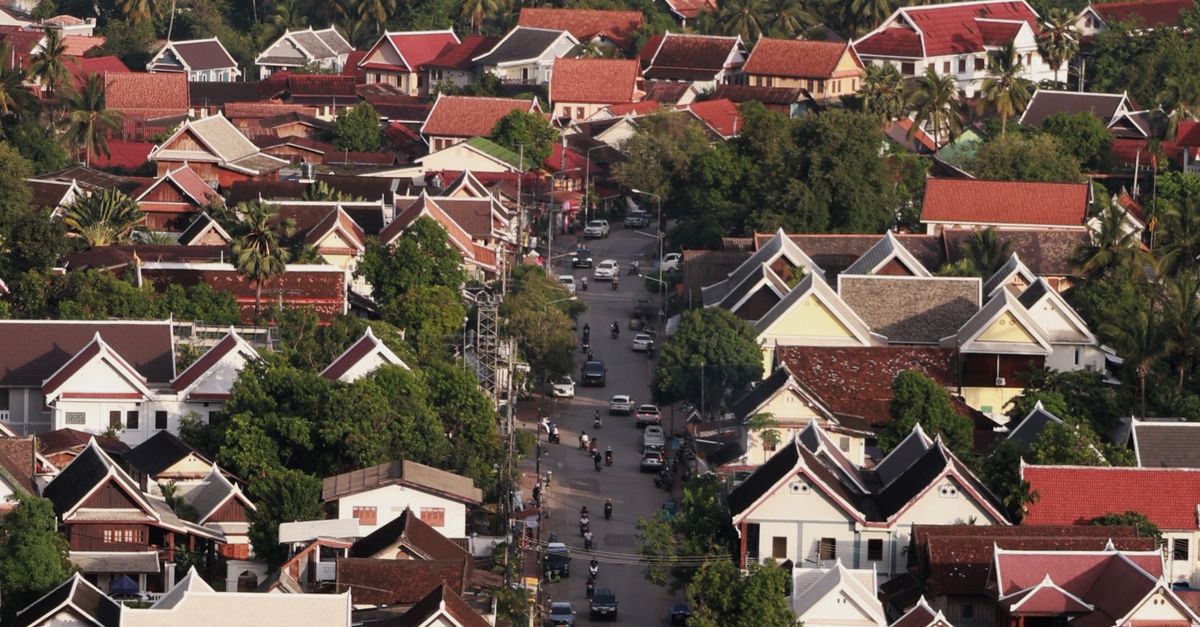
Boutique guesthouses in the center often provide a high level of local charm but may have limited facilities, such as smaller bathrooms or no elevators. For travelers with mobility issues, this is a crucial detail to verify before payment. Larger resorts on the periphery generally offer more comprehensive amenities, including swimming pools and extensive breakfast spreads, but they can sometimes feel detached from the local texture of the town.
Travelers comparing this destination can place individual hotel reviews next to area guides so the final choice reflects both location and room expectations.
Critical Room Category and Booking Checks
Before finalizing a booking, it is essential to look beyond the primary images. In a tropical destination like Laos, certain details can make or break a stay.
Air Conditioning vs. Fan Some traditional guesthouses may offer rooms with only fans. Depending on the travel date, this can be a significant comfort issue during the hot season. Always verify the specific room category to ensure air conditioning is included if it is a priority.
Noise Insulation Centrally located hotels are often housed in old wooden structures. While charming, these buildings may not have modern soundproofing. If you are a light sleeper, checking reviews for mentions of street noise or thin walls is advisable.
Cancellation Terms Given the variability of international travel, flexible cancellation terms are highly valuable. Travelers should compare the rates of non-refundable rooms against those with free cancellation to see if the price difference is worth the risk.
Stay Planning Checklist for Luang Prabang
Use this checklist to verify your choice before confirming your accommodation:
- Confirm the actual walking distance to the night market or the main temple cluster via a map.
- Verify if the room category includes air conditioning or only a ceiling fan.
- Check the cancellation policy to ensure it allows for changes in your itinerary.
- Confirm the bed configuration, especially for families or groups requiring extra beds.
- Research the noise levels of the area, particularly if the hotel is near a main road or temple.
- Check if the property provides a reliable shuttle service if staying in the outskirts.
FAQ about Luang Prabang hotel areas
Which Luang Prabang hotel areas are best for first-time visitors?
The Old Town center is generally the most convenient for first-timers because it offers the highest walkability to major attractions and the night market. This reduces the need for constant transport and allows travelers to immerse themselves in the town's cultural heart more easily.
What should I check regarding room categories in Luang Prabang?
Travelers should specifically check for air conditioning, as some heritage properties only offer fans. Additionally, it is worth confirming if a river view is a guaranteed direct view or just a partial one, as this can vary significantly between room categories.
How does the location affect the overall cost of a trip?
Staying in central Luang Prabang hotel areas may increase the nightly room rate but decrease daily transport spending. Conversely, cheaper stays on the outskirts might lead to higher spending on tuk-tuks and taxis to reach the main sightseeing areas.
Finalizing Your Stay Decision in Luang Prabang
Choosing where to stay in Luang Prabang is a balance between the desire for atmospheric charm and the need for logistical convenience. For those who want to be in the thick of the action, the central Old Town remains the most practical choice. For those seeking a quiet sanctuary to recharge, the riverside or the outer fringes provide a more serene experience.
This destination is a great fit for travelers who appreciate history, spirituality, and a slower pace. However, those who prefer high-energy urban environments or ultra-modern city infrastructure may find the local accommodation style too simplistic. Before moving from planning to booking, always double-check the current rates, room category, availability, and map location on a trusted booking platform to ensure the stay matches your expectations.
