

Nagoya Hotel Areas for Efficient Business Stay Planning
Many travelers arrive in Nagoya and assume any central hotel will suffice, only to realize they have chosen an area that adds unnecessary commute time to their meetings. Selecting the wrong base in a city designed for efficiency can turn a productive trip into a stressful logistical challenge. For those visiting for work, understanding the nuances of Nagoya hotel areas is the difference between a seamless transition from the Shinkansen to the boardroom and spending hours navigating the subway. This guide helps professionals and corporate travelers decide between the transport-heavy hub of the station and the commercial energy of the downtown district.

The logistical impact of choosing a professional base
Nagoya serves as a critical industrial and commercial bridge between Tokyo and Osaka. For the international business traveler, the city is rarely a destination for slow exploration but rather a node for high-stakes meetings, factory visits, or corporate headquarters. The layout of the city means that where you sleep directly dictates how much mental energy you expend on navigation before your first appointment of the day.
The mood of a business stay in Nagoya is defined by precision. Whether you are attending a tech conference or visiting an automotive supplier, the pace is fast. Choosing an area that aligns with your primary meeting location prevents the common fatigue associated with urban transit. It is worth considering that while Nagoya is compact, the distance between the main transit hub and the commercial heart can feel significant when carrying luggage or rushing to a morning call.
Travelers comparing this destination can place individual hotel reviews next to area guides so the final choice reflects both location and room expectations.
Nagoya Station area for maximum transit efficiency
For those whose itinerary involves multiple day trips to other cities or arrivals via the Shinkansen, the area surrounding Nagoya Station is often the most logical choice. This zone is designed for high-volume movement and offers a high concentration of hotels that cater specifically to the corporate traveler. Staying here eliminates the need for additional transfers upon arrival, as the airport buses and major rail lines converge at this single point.

The atmosphere around the station is one of constant motion. The hotels here range from compact business-style stays to larger full-service properties. The primary advantage is the sheer density of convenience; pharmacies, 24-hour convenience stores, and a vast array of dining options are integrated into the station complex itself. This may suit those who prefer to minimize their time spent in transit and prioritize a quick exit from the city at the end of their trip.
However, it is worth noting that the station area can feel somewhat sterile and crowded. The environment is dominated by commuters, and while it is highly efficient, it may lack the local texture found in other parts of the city. For a professional who needs a quiet sanctuary after a long day, checking the soundproofing and floor level of the room is a practical step before booking.
Sakae district for commercial access and networking
If your business in Nagoya is centered around corporate offices, creative agencies, or client dinners, the Sakae area offers a different set of advantages. Known as the commercial heart of the city, Sakae is where the professional world meets the leisure world. It is less about transit and more about the urban experience, featuring a high concentration of department stores, upscale dining, and the iconic Oasis 21 complex.
Staying in Sakae allows for a more relaxed evening pace. For those hosting clients for dinner, this area is far more suitable than the station district, as it provides a wider variety of atmospheric venues that are walkable from many hotels. The mood here is more cosmopolitan, reflecting the city's wealth and commercial success. It appeals to the traveler who views their stay as a blend of work and urban exploration.
The trade-off, however, is the commute to the main transport hub. While the subway connects Sakae to Nagoya Station quickly, the added step of navigating the underground system with luggage can be a deterrent for some. It is advisable to confirm the distance between the hotel entrance and the nearest subway station to avoid unexpected walks during inclement weather.
Comparing the pace of business across two hubs
The decision between these two Nagoya hotel areas often comes down to a choice between a commuter mindset and a networking mindset. The station area is a launchpad; it is built for the traveler who is in and out, prioritizing the clock and the rail schedule. The efficiency is unmatched, but the experience is largely transactional.
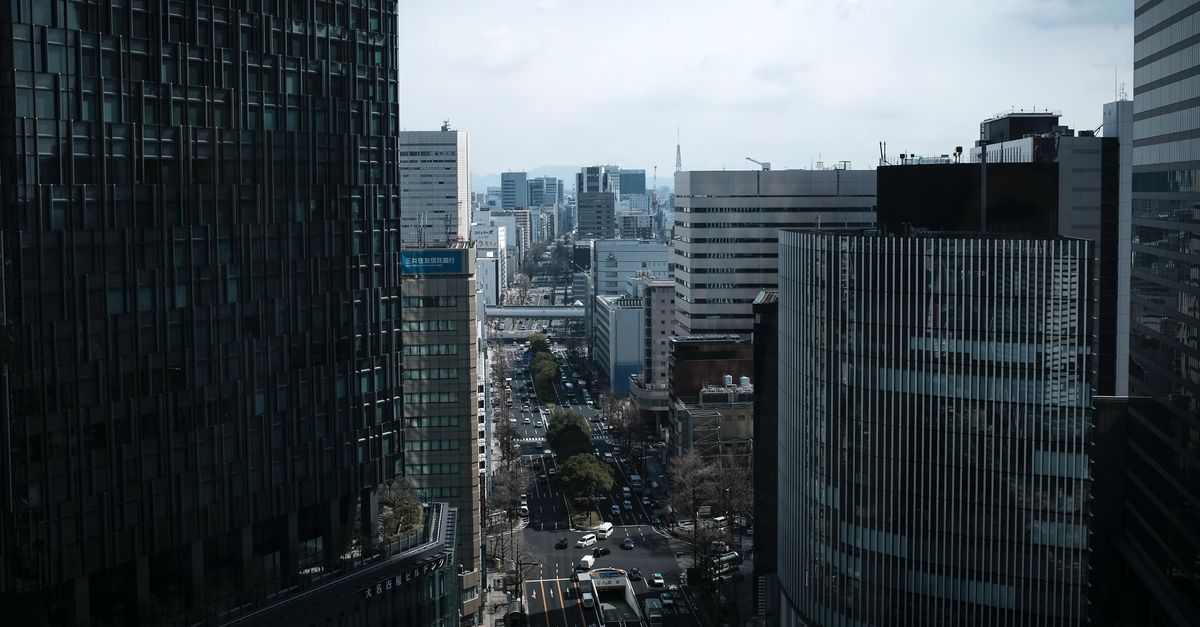
Sakae, conversely, is a destination. It is built for the traveler who intends to spend their evenings engaging with the city. For business travelers who have a few free hours after their meetings, Sakae provides an immediate environment for decompression and exploration. The contrast is clear: the station offers the luxury of time saved, while Sakae offers the luxury of atmosphere and variety.
Depending on the itinerary, some may find it useful to split their stay—starting at the station for logistics and moving to Sakae for social and commercial engagements. However, for most short-term professional trips, picking one base and sticking to it is usually more productive.
Room features and booking checks for corporate stays
In Japan, the term business hotel often refers to a specific category of accommodation characterized by compact rooms and streamlined services. While these are highly efficient, international travelers should be cautious about room size. A room that looks spacious in photos may be quite tight in reality, especially if you are traveling with large suitcases.
Key amenities to verify include the stability and speed of the Wi-Fi, as well as the presence of a functional desk. Some budget-oriented business hotels provide very small workspaces that may not be suitable for extended laptop use. Additionally, checking for laundry facilities is a priority for those on longer assignments, as many Japanese business hotels offer coin-operated machines that are essential for maintaining a professional wardrobe without a full laundry service.
Cancellation terms are another critical point. Business schedules are prone to sudden shifts. Ensuring that the booking condition allows for flexibility without heavy penalties is a prudent move. It is also worth confirming the check-in window, as some properties have strict policies regarding late arrivals, which can be an issue for those arriving on late-night flights or trains.
Verification checklist for Nagoya accommodation
- Verify the walking distance from the hotel to the nearest subway exit or train platform using a map.
- Check the room category to ensure it includes a dedicated workspace or a desk large enough for a laptop.
- Confirm that the Wi-Fi is available in the room and not just in the lobby area.
- Review the cancellation policy to ensure it aligns with the potential for itinerary changes.
- Check for on-site laundry facilities or nearby coin laundries for multi-day stays.
- Verify the check-in and check-out times to avoid unexpected early morning departures or late-night arrival issues.
FAQ about Nagoya hotel areas
Which of the Nagoya hotel areas is better for first-time business visitors?
The area around Nagoya Station is generally more suitable for first-time visitors because it simplifies the arrival and departure process. Since all major transport lines converge here, it removes the stress of navigating the city with luggage and provides immediate access to essential services, making the initial transition into the city much smoother.
Are there specific room types in Nagoya that suit business travelers better?
Standard business hotel rooms are efficient but small. For those who require more space for work or a more relaxed environment, seeking out full-service hotels or higher-tier room categories is worth considering. These options typically offer larger desks, better soundproofing, and more extensive lounge facilities for informal meetings.
How does the location of a hotel in Sakae affect the commute to Nagoya Station?
Staying in Sakae requires a short subway trip or a taxi ride to reach Nagoya Station. While the transit time is relatively brief, it adds a layer of planning to the journey. Travelers should check the specific subway line nearest their hotel to estimate total travel time, including the walk to the platform.
Final decision on your Nagoya base
Choosing between the station and Sakae depends entirely on where your priority lies. If your trip is defined by transit, tight schedules, and the need for maximum logistical ease, the hotels near Nagoya Station are the most practical choice. They minimize friction and maximize time, which is often the most valuable currency for a professional on the move.
If your trip involves evening client meetings, a desire for better dining options, or a preference for a more vibrant urban environment, Sakae is the more appealing option. It trades a small amount of transit convenience for a significantly richer evening experience and better proximity to the city's commercial heart.
Regardless of the area chosen, travelers are reminded to check current rates, room categories, and specific map locations before finalizing any payment. Availability can shift rapidly during peak business seasons, so verifying the booking conditions and room amenities is the final essential step in a successful stay plan.
