

Yogyakarta Hotel Areas for Balanced Temple Visits
The geography of a trip often dictates the emotional rhythm of the journey, especially in a place where spiritual monuments and urban energy exist in a delicate balance. For families venturing to Central Java, the decision of where to base themselves can change the entire experience of visiting the great temples. Whether the priority is the vibrant street life of the city or the quiet contemplation of the countryside, understanding the different Yogyakarta hotel areas is the first step in creating a sustainable itinerary that doesn't exhaust the youngest or oldest travelers. This perspective is particularly useful for those seeking more than a standard hotel room, focusing instead on the practicalities of a home-away-from-home.

How the choice of base alters the temple experience
Yogyakarta is a city of contrasts, and these contrasts extend to its accommodation zones. Staying in the heart of the city offers immediate access to cultural markets and dining, but it requires longer transit times to reach the outlying temple complexes like Borobudur or Prambanan. For families, this can mean spending several hours a day in vehicles, which might be taxing for children.
Conversely, choosing an area closer to the temples shifts the mood toward relaxation and nature. While you lose the immediate proximity to city shopping, you gain the ability to reach the monuments during the quieter early morning hours, avoiding the heaviest crowds and the midday heat. The fit depends entirely on whether the family prefers a high-energy urban environment or a slower, more secluded pace that aligns with the serenity of the monuments.
Comparing the dynamics of Yogyakarta hotel areas
The city center is typically defined by the activity surrounding the Malioboro corridor. This area is ideal for those who want to step out of their door and be immersed in the local atmosphere. It is a hub for ride-hailing services and local transport, making it an easy starting point for various excursions. However, the density of the city center can sometimes make finding larger, apartment-style stays more challenging, and noise levels can vary significantly depending on the street.
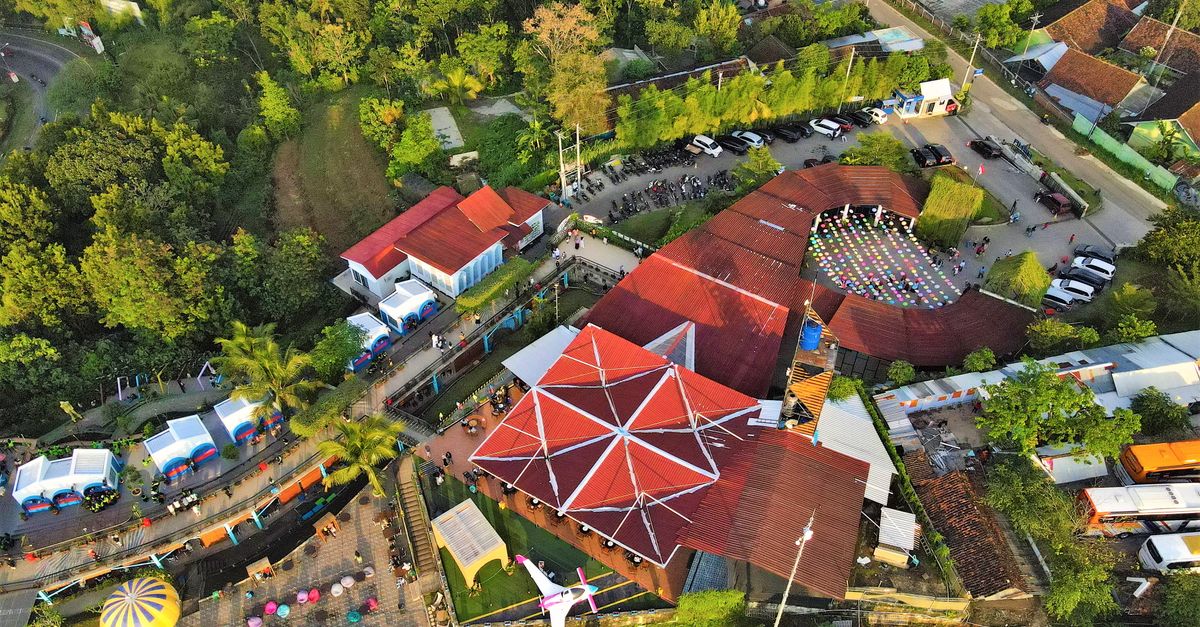
The outskirt locations, particularly those moving toward the north or east, offer a different value proposition. These areas are more likely to feature spacious properties and residential-style accommodations. For families, these outskirt zones often provide a more peaceful environment and can be strategically positioned to reduce the commute to the temples. The trade-off is a greater reliance on pre-arranged transport, as walking to a restaurant or grocery store may not be a practical option in these more spread-out neighborhoods.
Navigating the local rhythm of Yogyakarta
Understanding the local flow of traffic is crucial when selecting a stay. Yogyakarta's roads can become congested, and what looks like a short distance on a map may take considerably longer in reality. This is why the location of the hotel affects more than just the view; it affects the daily schedule. Families who plan to visit multiple temples in one day may find that splitting their stay—spending a few nights in the city and a few nights in the outskirts—reduces travel fatigue and allows for a deeper exploration of both the urban and rural sides of the region.
Local insights suggest that the transition from the city center to the temple areas involves a change in scenery and pace. The city is loud and colorful, while the outskirts are green and quiet. Travelers comparing this destination can place individual hotel reviews next to area guides so the final choice reflects both location and room expectations.
Apartment stays and the needs of traveling families
For many families, a standard hotel room is insufficient. The shift toward apartment-style stays in Yogyakarta allows for a more flexible travel rhythm. When evaluating these options, the focus should move beyond the decor to the functional elements of the building. A kitchen is not just a luxury; it is a practical tool for families with specific dietary needs or those who prefer to prepare simple meals for children between temple visits.

Laundry facilities are another critical check. In a tropical climate, the amount of clothing required for active temple exploration is high. Having in-unit laundry or easy access to a building service can significantly reduce the amount of luggage a family needs to carry. Additionally, building access is a key consideration—verifying if the property has a reliable elevator is essential for those traveling with strollers or elderly family members, as some smaller boutique apartments in the city center may only have stairs.
Critical room details to verify before payment
Before confirming a booking, it is wise to look past the primary photos. Room categories can be misleading; a "family room" might simply be a standard room with an extra cot, which may not be sufficient for a comfortable stay. It is worth confirming the actual bed configuration—whether there are separate beds or one large bed—to ensure the arrangement suits the family dynamic.
Booking conditions also play a role in family planning. Because family itineraries are more prone to change, checking the cancellation terms is vital. Some properties offer non-refundable rates that are lower, but for a family trip, the flexibility of a free cancellation policy often outweighs a small price difference. Additionally, verify the check-in process, especially for apartment stays, as some may require a coordinated meeting with a host rather than having a 24-hour front desk.
Practical checklist for family accommodation planning
- Verify the exact map location to see the balance between city access and temple proximity.
- Confirm the presence of a functional kitchen and laundry facilities for apartment stays.
- Check for elevator access if traveling with strollers or heavy luggage.
- Validate the bed configuration in the chosen room category to avoid cramped sleeping arrangements.
- Review the cancellation policy to ensure flexibility for family schedule changes.
- Check recent guest feedback regarding noise levels, especially for city center locations.
- Confirm the check-in method and whether a 24-hour reception is available for late arrivals.
FAQ about Yogyakarta hotel areas
Which of the Yogyakarta hotel areas is better for families visiting Borobudur?
Outskirt locations to the north are generally more convenient for Borobudur visits, as they reduce the morning commute. While city center areas offer more dining options, the time saved by staying further out allows families to reach the temple earlier and avoid the heaviest traffic and heat.
What should I check when booking an apartment in Yogyakarta?
You should prioritize checking for a kitchen, laundry facilities, and building accessibility such as elevators. It is also important to verify the check-in process, as apartment-style stays may not have a traditional front desk, which can affect arrival logistics for families.
Is the city center area too noisy for a relaxing family stay?
It can be, depending on the specific street. The Malioboro area is very high-energy and can be noisy. Families seeking more quiet should look for hotels located on side streets or consider outskirt areas where the atmosphere is more residential and peaceful.
Choosing a stay that fits the family pace
Deciding where to stay in Yogyakarta involves a trade-off between urban convenience and rural tranquility. For families who value the ability to walk to markets and enjoy the city's pulse, the central hotel areas are a natural fit. For those whose primary goal is a peaceful pilgrimage to the temples with a home-like base, the outskirts provide a more sustainable environment.
Regardless of the area chosen, the key to a successful stay is detailed verification. Travelers should check current rates, room categories, and availability carefully. Confirming the map location and reading the fine print of the booking conditions will help ensure that the chosen accommodation supports the family's needs rather than complicating the journey. A well-chosen base transforms the trip from a series of long commutes into a cohesive and relaxing exploration of Java's cultural heart.
