

Bangkok Hotel Areas for Shopping Trips and Practical Planning
The success of a family trip to a bustling metropolis often depends on the decisions made before the first suitcase is packed. For many visiting Thailand, the hotel is not merely a place to sleep but the operational hub for the entire journey. Selecting the right base is particularly critical in a city where traffic patterns and urban density can significantly impact the daily mood of travelers. When the goal involves shopping and exploring, the choice of Bangkok hotel areas determines how much time is spent in transit versus how much time is spent enjoying the city. This approach ensures that families can balance the excitement of retail therapy with the necessary downtime required for children and seniors.
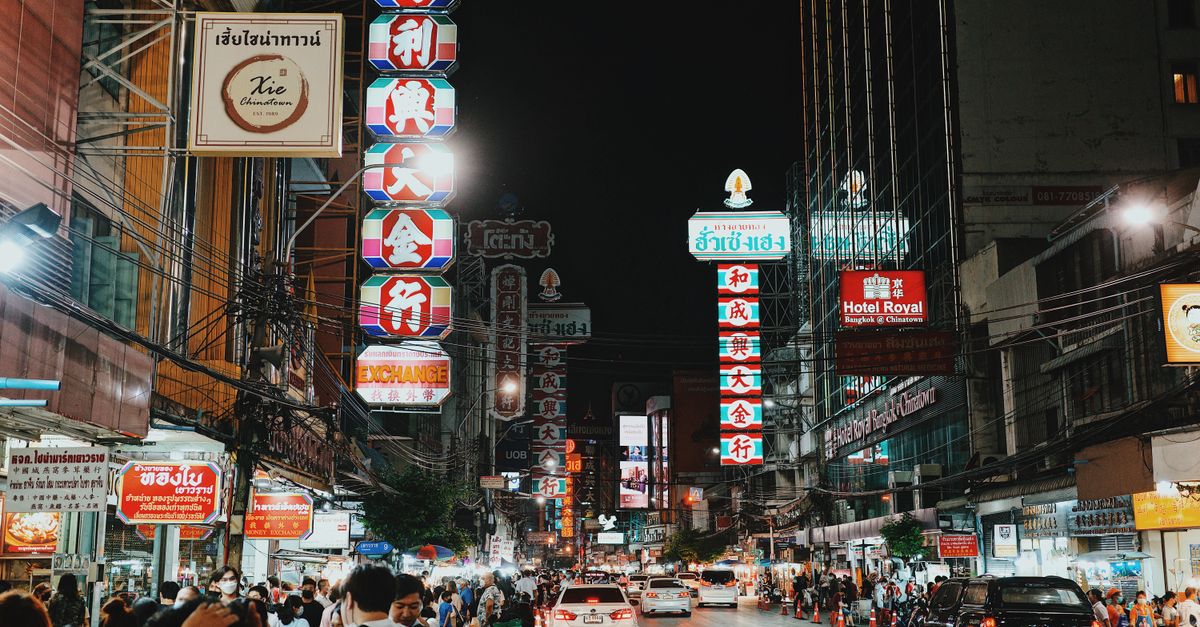
Why the stay area dictates the rhythm of a family itinerary
In a city as expansive as Bangkok, the distance between two points on a map rarely reflects the actual time it takes to travel between them. For families, the friction of navigating crowded sidewalks or waiting for transport with children can lead to premature exhaustion. This is why the hotel location should be the first piece of the puzzle to be solved, rather than an afterthought to the sightseeing list.
A stay located within a primary shopping district allows for a flexible pace. The ability to return to a room for a midday nap or a quick change of clothes before dinner can make the difference between a stressful day and a relaxed one. When the accommodation is situated in an area with high walkable access to malls or transit hubs, the reliance on long taxi rides decreases, giving the family more control over their schedule.
Comparing Bangkok hotel areas based on shopping and accessibility
Depending on the shopping preferences of the group, different districts offer varying levels of practicality. The areas surrounding Siam and Pratunam are often considered the heart of the retail experience. These zones are characterized by a high density of malls, street markets, and fashion boutiques. For families, staying here means that the most popular attractions are often just a short walk away, though the noise levels and crowd density are generally higher.

Alternatively, areas like Sukhumvit provide a different atmosphere. This district is known for its international feel, with a mix of luxury malls, diverse dining options, and better access to the Skytrain (BTS). While it may require slightly more movement to reach the traditional markets of the city center, the infrastructure in this area is often more geared toward international standards of comfort and accessibility.
For those seeking a slower pace, the riverside areas offer a scenic alternative. While not as centrally located for rapid shopping trips, these areas provide a mental break from the urban intensity. Families might consider this option if they prefer to use boats for transport or if they prioritize open space and river views over immediate proximity to the busiest shopping streets.
Navigating urban logistics with family comfort in mind
Local context is essential when planning a stay in Thailand. The tropical heat and humidity can make even a ten-minute walk challenging for young children or elderly family members. This reality makes the proximity of the hotel to air-conditioned corridors or covered walkways a significant advantage. When reviewing Bangkok hotel areas, it is worth checking if the property is adjacent to a mall or a transit station, as this provides a climate-controlled path for daily movements.
Ride-hailing services are widely available, but during peak hours, traffic can bring the city to a standstill. Families who rely heavily on cars may find themselves stuck in congestion, which can be frustrating for children. Utilizing the rail systems is often more predictable, making hotels within easy walking distance of the BTS or MRT lines a more practical choice for those who want to maximize their time.
Evaluating stay styles for group dynamics
The type of accommodation chosen can be as important as the neighborhood. Standard hotel rooms may feel cramped for a family of four, leading to stress and a lack of privacy. In these cases, serviced apartments are often a more suitable alternative. Apartments typically provide separate living areas and small kitchenettes, which are invaluable for preparing simple snacks for children or storing purchased goods from shopping trips.

Large international hotels offer the advantage of comprehensive facilities, such as swimming pools and breakfast buffets, which can serve as a primary source of entertainment and nourishment for the family. However, these properties often have more rigid structures. Travelers comparing this destination can place individual hotel reviews next to area guides so the final choice reflects both location and room expectations.
Room category checks and booking essentials
Before confirming a booking, it is important to look beyond the general photos of the property. The specific room category can vary wildly in terms of actual usable space. Families should verify the bed configuration; for instance, a "Double Room" might only provide one large bed, whereas a "Family Room" or "Connecting Rooms" ensure that everyone has a comfortable sleeping arrangement.
Other practical details to confirm include the presence of a reliable elevator, as some older boutique properties in central areas may have limited accessibility. Additionally, checking the noise insulation of the room is advisable, especially in high-traffic shopping areas where street noise can be persistent. It is also worth confirming the cancellation terms, as family plans can be subject to sudden changes.
Practical verification list for your stay planning
- Verify the exact walking distance to the nearest transit station or mall on a map.
- Confirm the bed types in the chosen room category to ensure suitability for all family members.
- Check for the presence of an elevator if staying on higher floors with luggage and children.
- Review current guest feedback regarding street noise levels in the specific hotel area.
- Check the cancellation policy to allow for flexibility in travel dates.
- Verify if the property offers family-specific amenities like cribs or interconnecting room options.
FAQ about Bangkok hotel areas
Which Bangkok hotel areas are most convenient for shopping families?
The areas around Siam and Pratunam are generally the most convenient due to their high concentration of shopping malls and markets. However, Sukhumvit is also a strong contender for those who prefer a mix of modern retail and better transit connectivity via the Skytrain.
Should families choose a hotel or a serviced apartment?
Serviced apartments may suit families better because they typically offer more space and kitchen facilities. Standard hotels are often preferred by those who value full-service amenities like daily housekeeping, on-site breakfast, and swimming pools.
What should I check before booking a room in a busy area?
Travelers should verify the room's noise insulation and the actual bed configuration. It is also important to confirm the proximity to air-conditioned transit or malls to avoid long walks in the heat with children.
Finalizing your accommodation strategy
Choosing where to stay in Bangkok is a balance between the desire for convenience and the need for comfort. For shopping-focused family trips, staying in the heart of the retail districts can reduce transit stress, while choosing a slightly quieter area with good transit links can provide a more restful environment.
Those who prioritize easy access to multiple malls may find the center of the city most appealing, while those who prefer a more spacious and residential feel might look toward serviced apartments in the Sukhumvit area. It is always recommended to check current rates, room categories, and real-time availability before making a final payment. Verifying the location on a map and reading the most recent booking conditions will ensure the stay aligns with the family's actual needs and itinerary.
