

Gyeongju Hotel Areas for Practical Access to History
Gyeongju is often described as a museum without walls, where ancient royal tombs, Buddhist temples, and palace ruins are woven directly into the fabric of the modern city. For first-time visitors, the choice of Gyeongju hotel areas can significantly dictate whether the trip feels like a leisurely stroll through history or a constant commute across town. Because the historical sites are clustered in specific zones, choosing a base that aligns with your planned pace of travel is essential to avoid unnecessary fatigue. This guide helps international travelers navigate the accommodation landscape to find a practical home base that balances accessibility with the desired atmosphere.
How your base affects the historical rhythm
In many cities, a central hotel is the default choice. However, Gyeongju is unique because its attractions are spread across different topographical zones. There is the historic city center, where tombs and palaces are concentrated, and there are the outlying areas like the Bomun Lake district or the mountainous regions leading to Bulguksa Temple. If you stay in the wrong area, you may find yourself spending a large portion of your day in taxis or on buses, which can disrupt the contemplative mood of the city.
A practical stay strategy involves identifying which clusters of sites you want to prioritize. For those who prefer waking up and walking directly into a historical park, staying near the city center is logical. For those who prefer a resort-style retreat and do not mind scheduled trips into the center, the lake area offers a different rhythm. Understanding these dynamics before booking ensures that your accommodation supports your sightseeing goals rather than hindering them.
Analyzing Gyeongju hotel areas for first-time visitors
Depending on your travel style, different Gyeongju hotel areas will offer varying levels of convenience. Most travelers find themselves choosing between three main zones, each with a distinct personality and set of trade-offs.
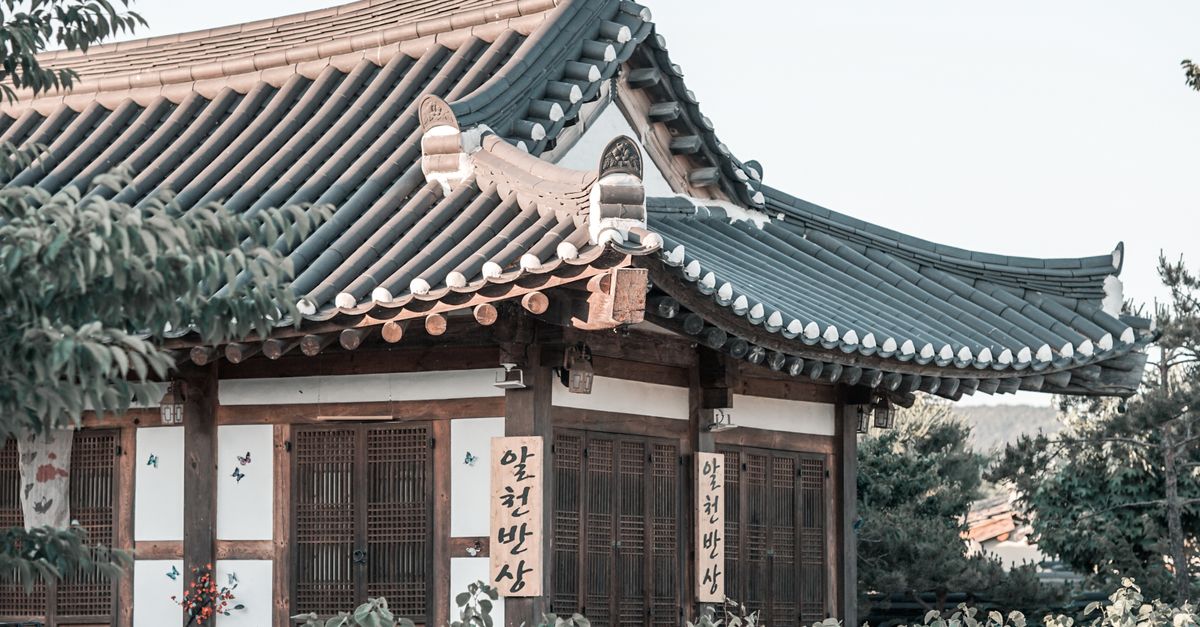
The Hwangridan-gil and Daereungwon Zone This is currently the most popular area for visitors who want to be in the heart of the action. Located adjacent to the great royal tombs, this area is characterized by narrow alleys, traditional houses converted into cafes, and a high density of boutique stays. The primary advantage here is walkability; many of the city's most famous landmarks are within a short distance. However, because this is a trendy district, it can be busier and noisier than other areas.
The Bomun Lake Resort Area Located further from the city center, this area is designed for leisure and relaxation. It is home to larger hotels and resorts that often feature extensive facilities. While you will not be able to walk to the main palace sites, the area provides a serene environment with beautiful lakeside views. It is often more suitable for families or those who prefer the predictability and space of a larger hotel over the intimacy of a small guesthouse.
The Bus Terminal and City Hub Area For travelers arriving by intercity bus, staying near the terminal is a highly practical decision. This area provides easy access to public transportation and a variety of mid-range hotels. While it lacks the historic charm of Hwangridan-gil or the luxury of Bomun Lake, it serves as an efficient transit point for those who plan to explore the wider Gyeongju region, including the outlying temples, via local buses.
Connecting your stay to the palace and tomb circuits
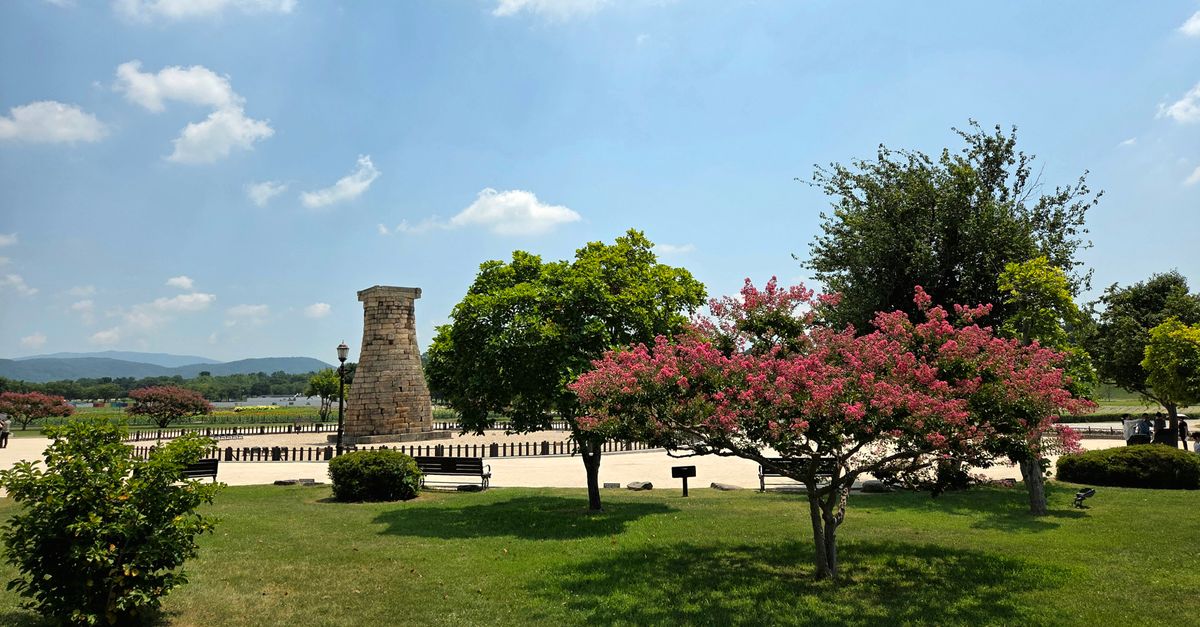
The geography of Gyeongju is essentially a collection of circuits. The center circuit includes the Daereungwon Tomb Complex, Cheomseongdae Observatory, and Donggung Palace and Wolji Pond. If your goal is to visit these sites during the golden hour or early morning to avoid crowds, staying within the central Gyeongju hotel areas is a significant advantage.
Conversely, the outlying circuit includes Bulguksa Temple and Seokguram Grotto. These sites are located in the mountains and are not walkable from any hotel area. Regardless of where you stay, you will need transport to reach these landmarks. However, staying near the bus terminal can make the initial journey to these sites slightly more straightforward. Travelers comparing this destination can place individual hotel reviews next to area guides so the final choice reflects both location and room expectations.
Traditional Hanok stays versus modern hotels
One of the most important decisions in Gyeongju is the style of accommodation. The city is famous for its Hanoks (traditional Korean houses), which offer a cultural experience that modern hotels cannot match. Many Hanoks are located in the central historical areas, providing a thematic extension of the sightseeing experience.

However, Hanoks come with specific trade-offs. They often feature traditional floor bedding (yo) rather than western mattresses, and the walls may be thinner, meaning soundproofing is generally lower than in a modern hotel. For travelers who prioritize orthopedic support or absolute silence, a modern hotel in the Bomun Lake area or near the terminal may be more suitable. The choice depends on whether you view your accommodation as a place to merely sleep or as a part of the cultural journey.
Room category checks and booking conditions
When browsing accommodation listings in Gyeongju, the room category can be misleading if you are not familiar with local styles. In traditional stays, it is important to check if the room is a traditional floor-sleeping room or a modified room with a western bed. This detail can significantly impact the comfort of your stay, especially for older travelers or those with back concerns.
Another critical check is heating. Gyeongju can be quite cold in winter, and while most Hanoks use Ondol (underfloor heating), the efficiency varies. It is worth confirming the heating type and whether the room has adequate insulation before payment. Additionally, since many of the most desirable hotel areas are in old parts of the city, parking can be a challenge. If you are renting a car, always verify the parking situation—whether the hotel has a private lot or relies on nearby public parking.
Practical checklist for Gyeongju stay planning
- Verify if the hotel area is walkable to the specific historical sites you prioritize.
- Confirm the bedding type (traditional floor vs. western bed) in the room category description.
- Check the map to see if the property is located in a high-traffic tourist alley, which may affect noise levels.
- Review the cancellation terms, especially for small boutique Hanoks that may have stricter policies than large resorts.
- Verify parking availability if you are traveling by car, as central areas have limited space.
- Check for the presence of an elevator if you have heavy luggage or mobility issues, as many traditional stays have stairs.
FAQ about Gyeongju hotel areas
Which Gyeongju hotel areas are best for walking to sites?
The area around Hwangridan-gil and Daereungwon is the most suitable for those who prefer walking. Staying here allows you to reach the royal tombs, the ancient observatory, and various cafes and boutiques without needing a vehicle. This area is ideal for travelers who want to immerse themselves in the city's historic atmosphere throughout the day.
Is it better to stay near Bomun Lake or the city center?
It depends on your priority. The city center is better for immediate access to historical landmarks and a vibrant local scene. Bomun Lake is better for those seeking a resort experience, larger room sizes, and a quieter environment. Most visitors choose the center for sightseeing and the lake for relaxation or family vacations.
What should I check when booking a Hanok in Gyeongju?
You should specifically check the bedding style and the bathroom facilities. Some traditional stays may have shared bathrooms or very basic amenities compared to modern hotels. Additionally, verify the noise insulation and heating options, as traditional architecture can be more susceptible to outside sounds and temperature changes.
Choosing the right base for your itinerary
Deciding where to stay in Gyeongju is a balance between cultural immersion and practical convenience. For the first-time visitor who wants a seamless experience, the central areas offer the most efficiency. For those who view the trip as a getaway and are comfortable using taxis or buses to reach the palaces, the resort areas provide a more luxurious pace.
Regardless of your choice, remember that the most appealing photos may not reflect the actual noise level of a street or the firmness of a mattress. It is always advisable to check current rates, room categories, and actual map locations on a trusted booking site before finalizing your payment. By matching your hotel area to your travel persona, you can ensure that your time in this historic city is spent exploring the past rather than navigating the logistics of the present.
