

Kandy Hotel Areas and Stay Planning for Practical Travelers
A destination can be spiritually enriching and visually stunning, yet the overall experience often depends on the difference between the destination itself and the hotel base chosen to explore it. Kandy, with its mist-covered hills and the sacred presence of the Temple of the Tooth, offers a profound atmosphere, but the city's layout can be challenging for those unfamiliar with its terrain. For many, the choice among various Kandy hotel areas is the difference between a seamless trip and one spent battling traffic or noise. This guide is designed for international travelers who prioritize practical planning, particularly those seeking the independence of apartment-style stays or strategic hotel placements to balance sightseeing with relaxation.

The Gap Between Destination Appeal and Stay Utility
Kandy is often visited for its cultural weight and natural beauty, but the utility of a stay depends on how the accommodation aligns with the traveler's daily rhythm. A hotel that looks beautiful in photos might be situated in an area where noise from the city center is constant, or conversely, a quiet retreat might require long commutes for every meal. Understanding the geography of the city is essential because Kandy is built around a central lake and a dense urban core, meaning that "central" can mean very different things depending on the street.
For those who prefer a slower pace, the contrast between the bustling markets and the serene outskirts is stark. The decision on where to stay should not be based on a single landmark but on how that location interacts with the rest of the itinerary. A base that allows for easy morning walks to the lake or a quiet evening away from the main traffic arteries typically provides a more sustainable travel experience.
Evaluating Kandy Hotel Areas for Different Itineraries
When looking at Kandy hotel areas, the most common point of reference is the Temple of the Tooth. Staying in the immediate vicinity offers the convenience of visiting the shrine during early or late hours without relying heavily on transport. However, this area is often the most congested, with high foot traffic and a concentration of shops and eateries that can be noisy throughout the day.
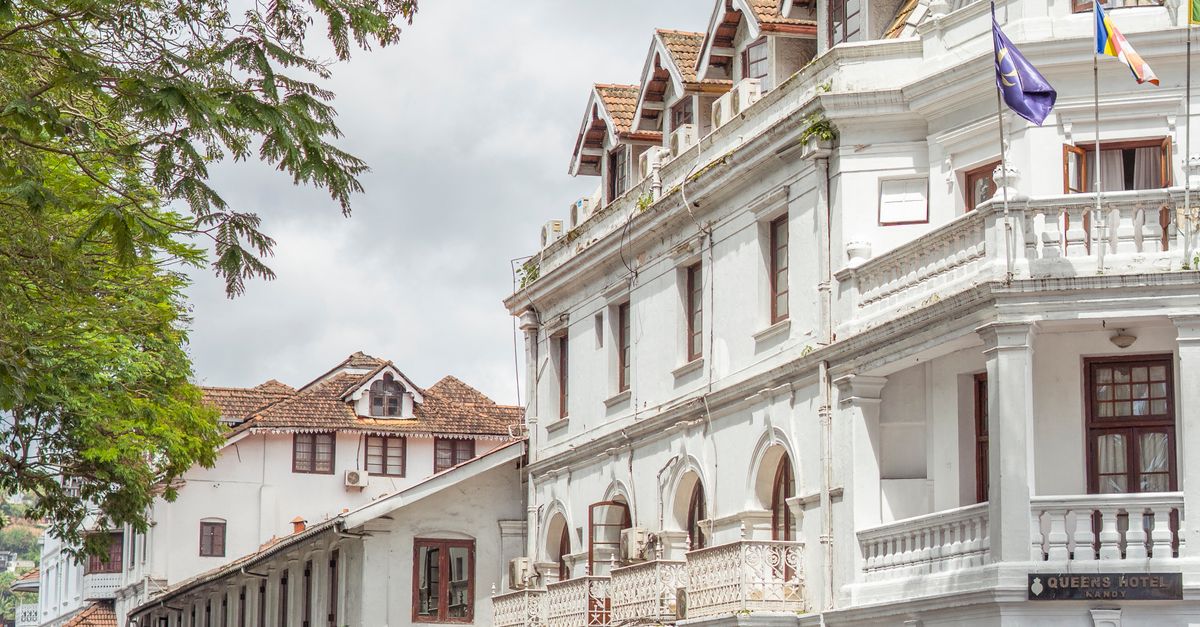
Moving slightly away from the core, toward the slopes of the surrounding hills or the areas near the Kandy Lake, can offer a different atmosphere. These zones may suit travelers who prefer a view and a quieter environment, though they might require a short tuk-tuk ride to reach the main cultural sites. The trade-off here is between walking accessibility and auditory peace. Those who are sensitive to noise should cautiously verify the street location of their chosen stay, as some "quiet" areas can still be affected by local traffic patterns.
For longer stays, residential pockets further from the city center can be worth considering. These areas often house more apartment-style accommodations, providing a more authentic sense of local life and potentially more space. While the commute to the center increases, the ability to retreat to a calm neighborhood can be a significant advantage for those staying more than a few nights.
Local Logistics and How They Influence Your Base
The urban layout of Kandy is characterized by winding roads and significant elevation changes. This means that a hotel appearing close to a landmark on a 2D map might actually be separated by a steep hill or a one-way traffic system. For travelers, this makes the actual walking path more important than the straight-line distance. Relying on local transport like tuk-tuks is common, but the cost and time of these trips can add up if the hotel area is poorly chosen.
Dining options also vary by area. The city center is saturated with tourist-oriented cafes and restaurants, while the residential areas may have more modest, local eateries. Travelers who prefer to cook some of their own meals or want a break from tourist menus should look for accommodation in areas where local markets are accessible by foot. This local context helps in deciding whether a high-end hotel in the center or a practical apartment on the outskirts is the better fit.
Apartment Stays vs. Traditional Hotels in Kandy
For a specific group of travelers, particularly those who prefer the autonomy of an apartment, the requirements for a stay are different. While a hotel provides services, an apartment offers a home base. In Kandy, this shift in style requires a more detailed check of the building's infrastructure. Kitchen facilities, for example, vary wildly; some may only provide a basic kettle, while others offer a full stove and refrigerator. This is a critical check for those planning to manage their own dietary needs or reduce costs.
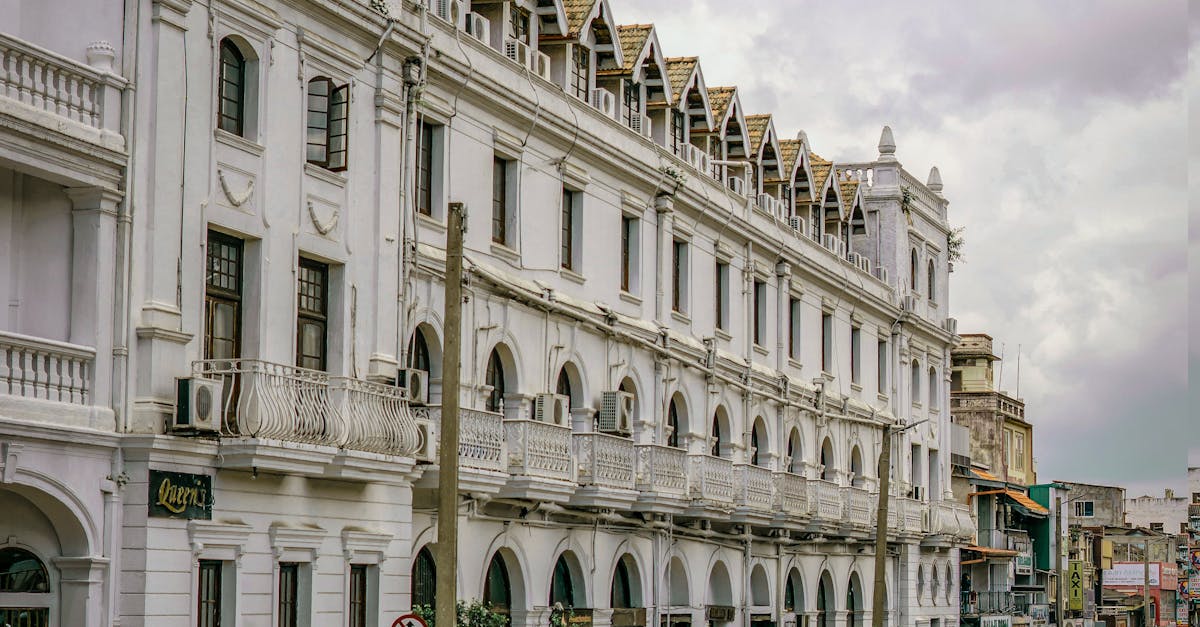
Laundry access is another pivotal point. In a humid climate like Sri Lanka's, having an in-unit washing machine or a reliable building service can be a game-changer for long-term travelers. Furthermore, building access should be verified—whether the property has a 24-hour reception, a secure entrance, or requires a coordinated check-in with a host. These logistical details often outweigh the aesthetic appeal of the room.
Travelers comparing this destination can place individual hotel reviews next to area guides so the final choice reflects both location and room expectations.
Room Category and Building Access Checks
Before finalizing a booking in any of the Kandy hotel areas, it is prudent to look beyond the primary photos. Room categories can be misleading; a "garden view" might be a view of a small courtyard, and a "city view" might include the sounds of a nearby construction site. It is worth confirming the specific floor of the room, especially in older buildings or apartments that may not have an elevator. Carrying luggage up several flights of stairs in Kandy's heat can be a taxing start to a trip.
Another point to verify is the noise isolation. Given that Kandy is a lively city, checking if the room has double-glazed windows or is located away from the street side can ensure better sleep. Additionally, booking conditions should be reviewed carefully. Cancellation terms and payment policies can vary, and in a city where travel plans might shift due to weather or local events, flexibility is a valuable asset.
Practical Checklist for Kandy Stays
- Verify the actual walking route to the Temple of the Tooth or Kandy Lake to account for hills.
- Confirm if the apartment includes a functional kitchen (stove, fridge) and laundry facilities.
- Check for the presence of an elevator if the room is on a higher floor.
- Review recent guest comments specifically mentioning street noise and night-time quiet.
- Clarify the check-in process, especially for non-hotel apartments without a 24-hour desk.
- Confirm the cancellation policy and whether a deposit is required before arrival.
- Cross-reference the property location on a map with nearby local markets and pharmacies.
FAQ about Kandy hotel areas
Which Kandy hotel areas are best for first-time visitors?
Areas within walking distance of the Kandy Lake and the Temple of the Tooth are generally more suitable for first-time visitors due to the convenience of sightseeing. However, these areas can be noisy. For a balance of access and peace, looking for properties just a few blocks away from the main roads is a practical approach.
What should I check when booking an apartment in Kandy?
You should prioritize checking the kitchen equipment, laundry options, and the method of building access. Since many apartments are managed privately, it is important to confirm how keys are handed over and if there is a secure space for luggage upon arrival or departure.
Is it better to stay in the city center or the outskirts of Kandy?
The city center is more suitable for short trips and those who prefer being close to the action. The outskirts may suit travelers staying longer who value a quieter atmosphere and more space. Depending on your itinerary, the trade-off is between immediate convenience and a more relaxed residential experience.
Final Decision on Your Kandy Base
Choosing where to stay in Kandy is a balance between the desire for cultural proximity and the need for personal comfort. For those whose primary goal is the Temple of the Tooth and central sightseeing, the inner hotel areas are the most logical choice, provided they can tolerate the urban buzz. For those who prioritize a home-like environment—such as apartment-stay travelers who need kitchens and laundry—venturing slightly into the residential zones can provide a more sustainable and peaceful experience.
As you move from the planning phase to booking, remember that rates and availability change by travel date. It is highly recommended to check current rates, verify the specific room category, and double-check the map location and booking conditions on a trusted booking site before making a final payment. A well-chosen base will not only support your itinerary but will enhance the overall mood of your journey through the hill capital of Sri Lanka.
