

New York City Hotel Areas for Practical Stay Planning
A common mistake many international travelers make when visiting New York City is selecting a hotel based solely on a beautiful room photo or a competitive nightly rate without considering the specific neighborhood dynamics. In a city where a few blocks can completely change the noise level, accessibility, and atmosphere, choosing the wrong base can lead to unexpected transport costs and exhaustion. Understanding the nuances of different New York City hotel areas is essential for ensuring that your accommodation supports your itinerary rather than hindering it. This guide is designed for travelers who are weighing the trade-offs between the high-energy convenience of Manhattan and the more residential, local textures of Brooklyn.
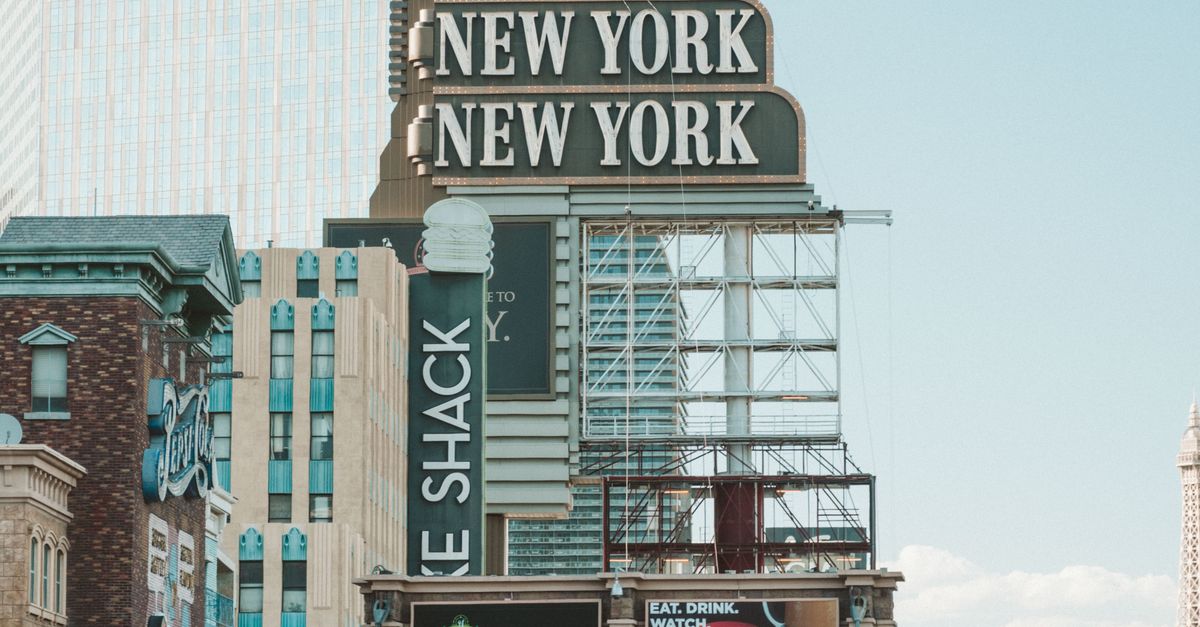
The risk of picking a base without neighborhood context
New York City is not a monolithic destination; it is a collection of distinct hubs. Travelers often assume that any hotel in Manhattan will be convenient, but the distance between the Upper West Side and the Financial District can be significant when navigating city traffic or subway transfers. Choosing a location that seems central on a map but lacks proximity to the specific sites you intend to visit can add hours of unnecessary travel to your trip.
Furthermore, the experience of a hotel stay varies wildly depending on the area. Some neighborhoods offer high-rise luxury with full-service amenities that mimic a resort experience, while others provide boutique stays that integrate more with the street-level culture. For those who value stay-contained facilities like large fitness centers or on-site dining, the choice of area will directly impact the availability of these features.
Manhattan stays and high-energy convenience
For many first-time international visitors, Manhattan remains the primary choice because it houses the majority of the city's most famous landmarks. Mid-town areas are often preferred by those who want to be within walking distance of major theaters and shopping hubs. These areas typically feature larger hotels with a wider array of room categories, which may suit families or business travelers who require consistent service standards.

However, the trade-off for this convenience is often a more crowded environment and higher price points for smaller room footprints. Those looking for a more relaxed Manhattan experience might consider the Financial District or the Upper East Side, where the pace is slightly slower, though these areas may require more frequent use of public transport to reach the central tourist core. It is worth confirming the specific block location to ensure the hotel is not situated in a construction zone, which is a frequent occurrence in this borough.
Brooklyn alternatives for a different travel rhythm
Brooklyn has evolved into a sophisticated alternative for travelers who prefer a local atmosphere over a tourist-centric one. Areas like DUMBO or Williamsburg offer a different visual language, characterized by cobblestone streets, industrial architecture, and a thriving arts scene. These New York City hotel areas are often more suitable for couples or independent travelers who enjoy exploring independent cafes and galleries.
Staying in Brooklyn generally offers a different value proposition. While you may find more spacious room layouts or boutique properties with unique designs, you must account for the transit time into Manhattan. Depending on the specific neighborhood, a trip to the Empire State Building or Central Park may involve a subway ride or a ride-hailing service. For travelers who plan to spend their days in the heart of the city, a Brooklyn base requires a more disciplined approach to daily movement and timing.
Comparing hotel styles and traveler fit
When deciding where to stay, it is helpful to categorize your needs based on the type of facility you prefer. Some travelers seek a resort-like experience where the hotel provides a sanctuary from the city noise, featuring soundproof windows, extensive spas, and multiple dining options. These are more commonly found in the larger luxury hubs of Manhattan.

On the other hand, travelers who prefer an immersive experience may find that boutique hotels in Brooklyn or the outer edges of Manhattan provide a more authentic connection to the city. These properties often have fewer on-site facilities but are located in areas where the neighborhood itself serves as the amenity. Travelers comparing this destination can place individual hotel reviews next to area guides so the final choice reflects both location and room expectations.
Critical room and booking checks for the city
In New York City, the description "standard room" can be misleading. Room sizes vary significantly, and some budget-friendly options may be surprisingly compact. It is highly recommended to check the actual square footage of the room category you are booking to avoid surprises upon arrival, especially for families with large luggage.
Noise is another critical factor. A hotel that looks perfect in photos might be located next to a loud siren route or a busy nightlife street. Checking recent guest feedback specifically regarding soundproofing and window quality can save a traveler from sleepless nights. Additionally, always verify the cancellation terms and payment conditions, as city hotels often have strict policies during peak seasons or major city events.
Practical checklist for New York City stay planning
- Verify the exact distance from the hotel to the nearest subway station on a map.
- Check the room square footage to ensure it fits the number of guests and luggage.
- Confirm if the room has an exterior window or if it is an interior-facing room.
- Review the latest guest comments regarding street noise and soundproofing.
- Check for the presence of essential facilities like elevators, especially in older boutique buildings.
- Verify the cancellation window and whether the rate includes local city taxes.
FAQ about New York City hotel areas
Which New York City hotel areas are best for first-time visitors?
Midtown Manhattan is often a practical choice for first-time visitors due to its proximity to major attractions. However, the Financial District can also be a strong contender for those seeking slightly more modern hotel builds and easier access to the downtown waterfront.
Should I choose Brooklyn over Manhattan for a shorter trip?
For a very short trip, Manhattan may be more efficient to minimize transit time. However, if you prefer a quieter atmosphere and do not mind a 20-30 minute commute to the main sights, Brooklyn can offer a more refreshing and local experience.
What room category details should I verify before booking in NYC?
You should specifically check for "interior" or "windowless" room designations, as these are common in some city hotels. Also, confirm the bed configuration, as some smaller rooms may offer a double bed that might be too tight for two adults.
Choosing the right balance for your trip
The decision between Manhattan and Brooklyn ultimately depends on the balance you wish to strike between convenience and atmosphere. Manhattan is the engine of the city, offering unmatched access and high-facility hotels that cater to the needs of international travelers who want everything within reach. Brooklyn is the cultural heart, providing a slower pace and more residential charm that appeals to those who view the neighborhood as part of the destination.
Those who prioritize ease of movement and a traditional tourist experience will likely find Manhattan more suitable. Conversely, travelers who enjoy a more eclectic vibe and are comfortable with a bit more transit may find Brooklyn to be a more rewarding choice. Regardless of the area, travelers should check current rates, room category, availability, map location, and booking conditions carefully before finalizing any payment to ensure the stay aligns with their actual travel needs.
