


Sapa Stay Planning and Practical Tips on Where to Stay in Sapa
The experience of visiting Sapa is almost entirely dictated by the base of operations chosen before the journey begins. Because the destination is defined by dramatic topography and unpredictable weather, the decision of where to stay in Sapa acts as the foundation for the entire itinerary. For couples and organized travelers, the choice often comes down to a trade-off between the vibrant energy of the town center and the silent, misty allure of the valley outskirts. Selecting a location without considering the terrain can lead to unexpected challenges, as a short distance on a map often translates to a steep climb in reality.
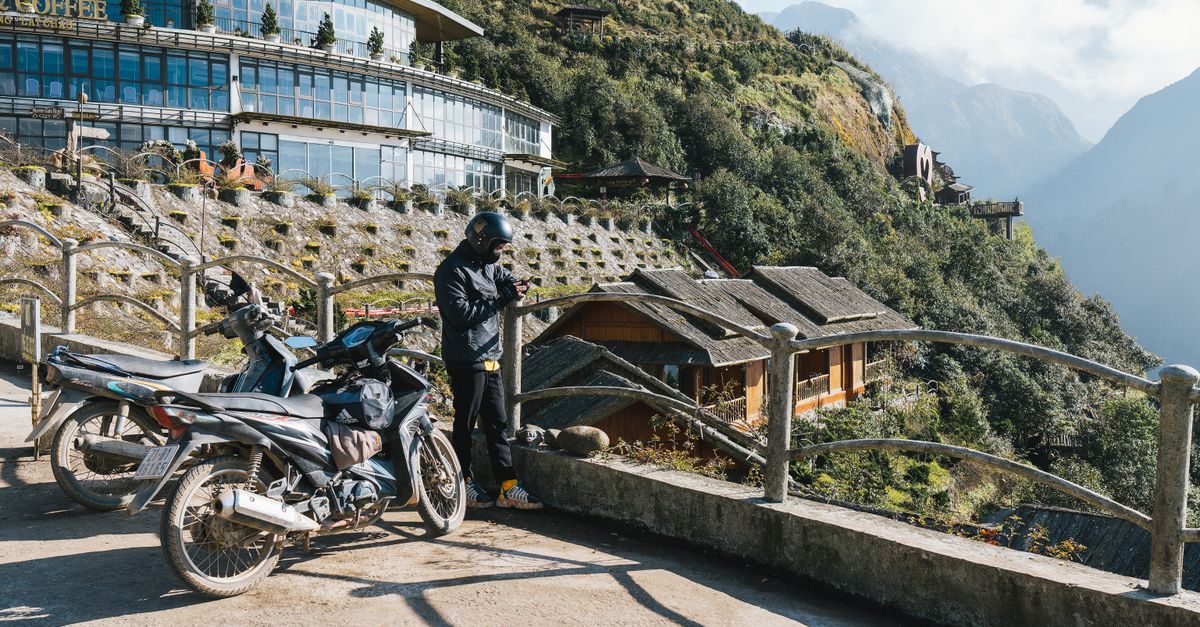
Why the stay area shapes the Sapa travel rhythm
Sapa is not a typical city where any central location provides the same experience. The mood of the destination shifts rapidly as one moves from the paved streets of the town to the dirt paths of the Muong Hoa Valley. For travelers who prioritize easy access to cafes, pharmacies, and the main transport hubs, staying within the town core is a practical necessity. This area allows for a spontaneous pace, where dinner and evening strolls require minimal effort.
Conversely, those seeking a slower, more intimate atmosphere may find the town center overwhelming. The valley areas offer a different psychological experience, where the sound of the wind and the sight of terraced fields replace the noise of motorbikes. For couples comparing atmosphere, the outskirts provide a sense of seclusion that is difficult to find near the Stone Church or the central market. However, this tranquility comes with the cost of convenience, often requiring planned transport for every meal or excursion.
Comparing the town center with valley retreats
When deciding where to stay in Sapa, it is helpful to categorize the available areas by their primary benefit. The town center is the hub of activity. It is generally more suitable for those who prefer a "hub-and-spoke" travel style, where they return to a central point every evening. Most services are concentrated here, making it a safer bet for first-time visitors who are unsure of their daily needs.

The valley and hillside areas are designed for immersion. These locations are often more suitable for travelers who view their accommodation as a destination in itself. Staying in these areas often means waking up to views of the Hoang Lien Son mountains, which can significantly enhance the emotional quality of the trip. The trade-off is that these properties may be located on steep inclines, making the walk back to the hotel after a day of sightseeing more strenuous than anticipated.
Travelers comparing this destination can place individual hotel reviews next to area guides so the final choice reflects both location and room expectations.
Navigating Sapa's unique terrain and logistics
A critical piece of local context that often escapes those booking from afar is the verticality of Sapa. A hotel listing might claim to be within walking distance of the town center, but this may involve navigating steep slopes that are challenging in rainy or misty conditions. For couples who prefer a relaxed pace, verifying the actual incline of the access road is more important than the raw distance in meters.
Transport within Sapa is largely dependent on taxis or motorbike rentals. If a stay is chosen far from the center, it is worth confirming if the accommodation provides a shuttle service or if ride-hailing is reliable in that specific zone. The mist in Sapa can also reduce visibility significantly, making familiar paths feel confusing. A well-chosen location reduces the stress of navigation and allows travelers to focus on the scenery rather than the logistics of returning to their room.
Choosing between boutique lodges and larger hotels
The style of accommodation in Sapa varies wildly, from rustic homestays to high-end boutique hotels. For couples, boutique lodges often strike a balance by offering a curated atmosphere and better privacy than large hotels, while providing more comfort than a traditional homestay. These properties often emphasize architectural integration with the mountains, offering balconies that serve as private viewing decks.

Larger hotels in the town center typically offer more consistent amenities, such as elevators and expansive breakfast buffets, which can be more appealing for those with mobility concerns or those who prefer a standardized level of service. However, these larger establishments may lack the quiet intimacy of a smaller lodge. When comparing options, it is useful to consider whether the priority is the facility's amenities or the property's unique character and connection to the landscape.
Critical room category and booking checks
In a mountain destination like Sapa, the room category can drastically change the quality of the stay. Not all rooms with a "mountain view" are equal; some may be partially obstructed by neighboring constructions or trees. It is advisable to check recent guest photos or request specific room orientations to ensure the view meets expectations.
Heating is another non-negotiable check. Sapa can become surprisingly cold, even outside the peak winter months. Travelers should verify if the room includes a space heater, electric blankets, or centralized heating. A room that looks beautiful in photos but lacks adequate warmth can quickly become uncomfortable. Additionally, checking the cancellation terms is vital, as mountain weather can sometimes disrupt travel plans, making flexible booking conditions a valuable safety net.
Practical checklist for Sapa accommodation planning
- Verify the actual slope and terrain between the hotel and the town center.
- Confirm the presence of reliable heating (electric blankets or heaters) in the room.
- Check if the "mountain view" is unobstructed and which direction the balcony faces.
- Evaluate the proximity to dining options if staying in the valley areas.
- Review the cancellation policy to allow for weather-related itinerary changes.
- Confirm bed configuration and room size, especially for couple-focused stays.
- Verify the availability of elevators if staying in a multi-story town hotel.
FAQ about where to stay in Sapa
Where is the most convenient area to stay in Sapa for first-timers?
The town center is generally the most convenient area for first-time visitors. This location provides immediate access to the Sapa Station, local markets, and a wide variety of dining options, reducing the need for constant transport and allowing travelers to explore the main attractions on foot.
What should couples check before booking a valley view room?
Couples should confirm the actual orientation of the room and the level of privacy provided by the balcony. It is also important to verify how the property handles transport to and from the town, as valley stays can be isolated and may require pre-arranged shuttles for convenience.
How does the season affect where to stay in Sapa?
During the misty or rainy seasons, staying closer to the town center can be more practical to avoid difficult terrain. In the drier, sunny months, the valley retreats become more appealing as the landscapes are more vivid and the trekking paths are easier to navigate safely.
Balancing convenience and atmosphere for the final choice
Deciding where to stay in Sapa ultimately requires a choice between two different versions of the destination. Those who want to feel the pulse of the town, enjoy varied culinary options, and have a seamless logistical experience should focus their search on the central hub. This approach is often more suitable for short trips or those who prefer a high level of accessibility.
For those who view Sapa as a place for romantic escape or deep relaxation, the valley retreats offer a transcendental experience that the town center cannot match. While this requires more careful planning regarding transport and dining, the reward is a direct connection to the mountain landscape. Travelers are encouraged to check current rates, room categories, and map locations on a trusted booking site to ensure the property's actual position aligns with their desired travel pace before finalizing payment.
