

Singapore Hotel Areas for Practical Stay Planning
Selecting the right base in a city as compact and organized as Singapore can feel surprisingly complex. While the transit system is efficient, the mood of your trip changes significantly depending on which Singapore hotel areas you choose for your home base. For many international travelers, the decision often boils down to a trade-off between the high-energy luxury of shopping districts and the textured, historical charm of cultural hubs. This guide is designed for those who want to align their accommodation choice with their daily rhythm, especially those prioritizing practical facilities over mere aesthetics.

Aligning Your Travel Rhythm with the Right Neighborhood
Singapore offers a diverse range of atmospheres, from the hyper-modern skyscrapers of the financial district to the low-rise shophouses of the heritage zones. For international travelers, the "right" area is rarely about the shortest distance to a single landmark, but rather about the overall travel pace. Those who prefer a fast-paced environment with immediate access to international brands and high-end dining often find the central shopping corridors more appealing.
Conversely, travelers who enjoy exploring local textures, visiting small galleries, and experiencing a blend of traditional and modern street life may find the cultural quarters more suitable. The destination generally appeals to those who value safety, cleanliness, and predictability, but the specific hotel area chosen will dictate whether the trip feels like a luxury retreat or an urban exploration.
Comparing the Energy of Orchard Road and Bugis
When evaluating Singapore hotel areas, Orchard Road and Bugis represent two very different experiences. Orchard Road is essentially the commercial heart of the city. Staying here means being surrounded by massive malls and a constant flow of pedestrians. It may suit travelers who want everything within walking distance in terms of retail and diverse food courts, though the atmosphere can be intense during peak hours.

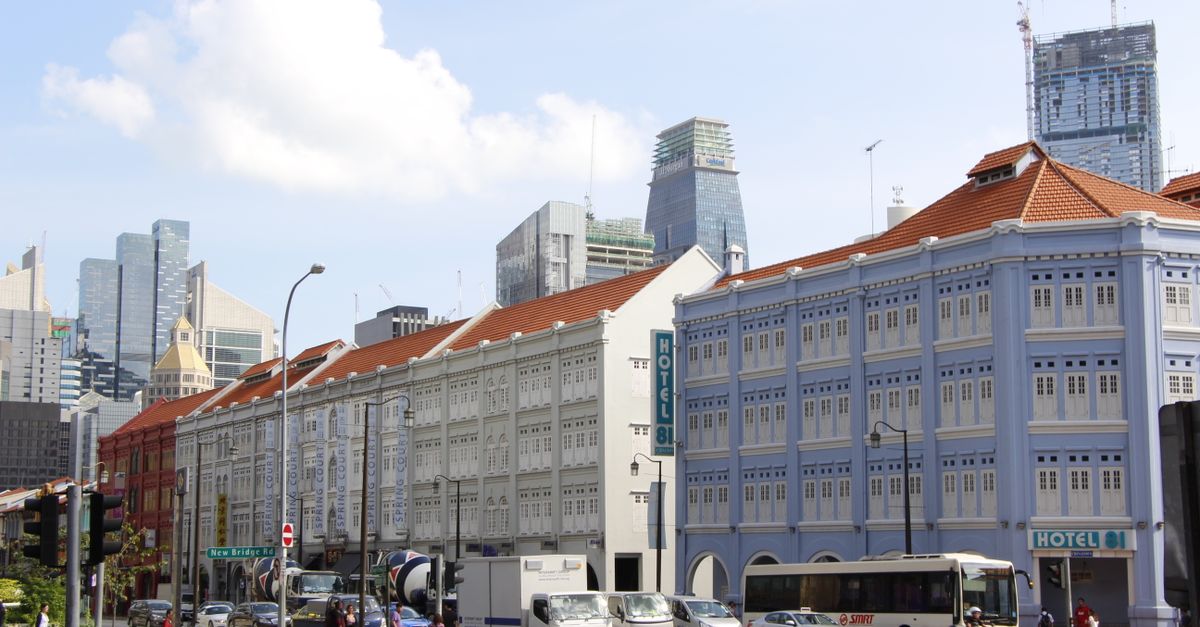
Bugis, on the other hand, offers a more eclectic and grounded mood. It is characterized by a mix of modern shopping complexes and traditional markets, with narrow streets that reveal hidden cafes and street art. This area is often more suitable for those who prefer a bit more character in their surroundings and want a more intuitive, walkable connection to the city's historical districts. Depending on your itinerary, Bugis can feel more "local" while still providing the comforts of international hospitality.
Practicalities for Apartment-Style Stay Travelers
For travelers who prefer apartment-style accommodations over traditional hotel rooms, the checklist of requirements changes. In Singapore, serviced apartments are common, but the level of facility varies. It is worth confirming whether a "kitchenette" implies a full stove and oven or simply a microwave and a kettle. For those planning longer stays, having a functional kitchen can significantly alter the daily budget and travel experience.
Laundry facilities are another critical point of verification. Some apartments provide in-room washers and dryers, while others rely on shared laundry rooms or external services. Additionally, building access is a key consideration. Travelers should check if the property has a 24-hour front desk or utilizes a digital key system, as this affects arrival logistics and security. High-rise living is the norm, so verifying elevator availability and speed is a practical step for those with heavy luggage or mobility concerns.
Understanding Local Movement and Transit Context
While Singapore is famous for its MRT (Mass Rapid Transit) system, the proximity of a hotel to a station is not the only factor. Travelers should consider the walk from the station to the actual building entrance, which can sometimes be longer than it appears on a map. In areas like Bugis, the walkability is often higher for exploring small shops, whereas in Orchard, the distances between major malls can be surprisingly long in the humidity.
Relying on ride-hailing services is a viable alternative, but traffic congestion in the primary shopping districts can lead to longer wait times. Understanding the flow of the city helps in choosing an area that minimizes unnecessary commuting. Travelers comparing this destination can place individual hotel reviews next to area guides so the final choice reflects both location and room expectations.
Room Category and Booking Verifications
Before finalizing a booking, it is important to look beyond the primary photos. Room categories in Singapore can be quite specific; for example, a "Studio" might be significantly smaller than a "One-Bedroom Apartment." It is advisable to check the actual square footage and the bed configuration to ensure it fits the traveler's needs, especially for families or business travelers requiring a dedicated workspace.
Booking conditions should also be scrutinized. Hotel rates and availability are changeable, and cancellation policies can vary wildly between flexible rates and non-refundable deals. It is worth confirming the current check-in and check-out times, as some properties may offer early access or late departures based on availability. Verifying the inclusion of breakfast or other amenities can also help in calculating the true cost of the stay.
Essential Stay Verification Checklist
- Verify the exact map location to see the distance to the nearest MRT station and primary attractions.
- Confirm the specific kitchen amenities (stove, fridge, microwave) if booking an apartment.
- Check for in-room laundry facilities or the proximity of a reliable laundromat.
- Review recent guest feedback regarding building access, elevator wait times, and noise levels.
- Verify the cancellation terms and payment conditions to ensure flexibility for travel date changes.
- Cross-reference room category descriptions with actual floor plans or square footage where available.
- Confirm if the property requires a security deposit upon arrival.
FAQ about Singapore hotel areas
Which Singapore hotel areas are most suitable for long-term apartment stays?
Bugis and the areas surrounding Orchard Road are both viable, but Bugis often provides a more diverse range of serviced apartments that blend into local shophouse architecture. Travelers should specifically check for kitchen facilities and laundry access, as these are essential for long-term comfort and budget management during a longer visit.
What should I check regarding building access in Singapore?
Travelers should confirm if the building has a 24-hour concierge or uses a self-check-in system with a digital code. This is particularly important for late-night arrivals. Additionally, verifying elevator access is useful for those staying in high-rise apartments to ensure smooth movement with luggage.
How does the location in Singapore affect daily travel costs?
Staying in highly central Singapore hotel areas like Orchard or Bugis may increase the nightly room rate but can reduce daily spending on transport due to walkability and MRT proximity. However, travelers should check the cost of local dining in these areas, as shopping districts often have higher price points than residential neighborhoods.
Making the Final Accommodation Choice
Choosing between the polished energy of Orchard Road and the cultural depth of Bugis depends entirely on the intended travel pace. Those who prioritize luxury, high-end retail, and a centralized hub for shopping will likely find Orchard Road the more suitable base. Meanwhile, those seeking a bit more local character, artistic inspiration, and a blend of old and new should consider Bugis.
For apartment-seekers, the priority should be the verification of practical utilities—kitchens, laundry, and building access—rather than just the neighborhood's reputation. Travelers are reminded to check current rates, room categories, availability, and booking conditions on their chosen platform before making a payment, as these details are subject to change by the provider.
