

Planning Your Visit with the Right Taichung Hotel Areas for Night Market Access
Taichung offers a unique blend of wide urban boulevards, artistic districts, and a culinary energy that peaks after sunset. For international travelers, the city can feel surprisingly expansive, making the initial decision of where to base oneself a critical part of the itinerary. Choosing between different Taichung hotel areas is not just about finding a bed, but about deciding how much of the city you want to experience on foot and how much you are willing to rely on local transport. The right location can transform a trip from a series of long commutes into a seamless exploration of Taiwan's vibrant heart.

Why the hotel base should match the pace of your itinerary
In a city like Taichung, the geography often dictates the mood of the trip. If the primary goal is to immerse oneself in the street food culture and evening shopping, staying in an area that allows for easy walking access to the night markets is highly beneficial. However, the trade-off is often a more energetic, noisier environment. Conversely, choosing a more secluded or central district may offer a quieter sanctuary but requires more planning for evening excursions.
For those who prefer a slower pace, a hotel area further from the neon lights but close to the Calligraphy Greenway or cultural parks may be more suitable. The key is to align the accommodation style with the intended daily rhythm. A traveler who plans to visit the Gaomei Wetlands during the day and a night market in the evening will have very different needs than someone focusing on museum-hopping and high-end dining in the city center.
Evaluating the different Taichung hotel areas for accessibility
When analyzing Taichung hotel areas, three distinct zones usually emerge for international visitors. The first is the area surrounding the major night markets, such as the Fengjia region. This area is typically high-energy and caters to a younger crowd, offering a dense concentration of small hotels and boutique stays. The proximity to food is unbeatable, though the streets can be crowded, and traffic can be heavy during peak hours.
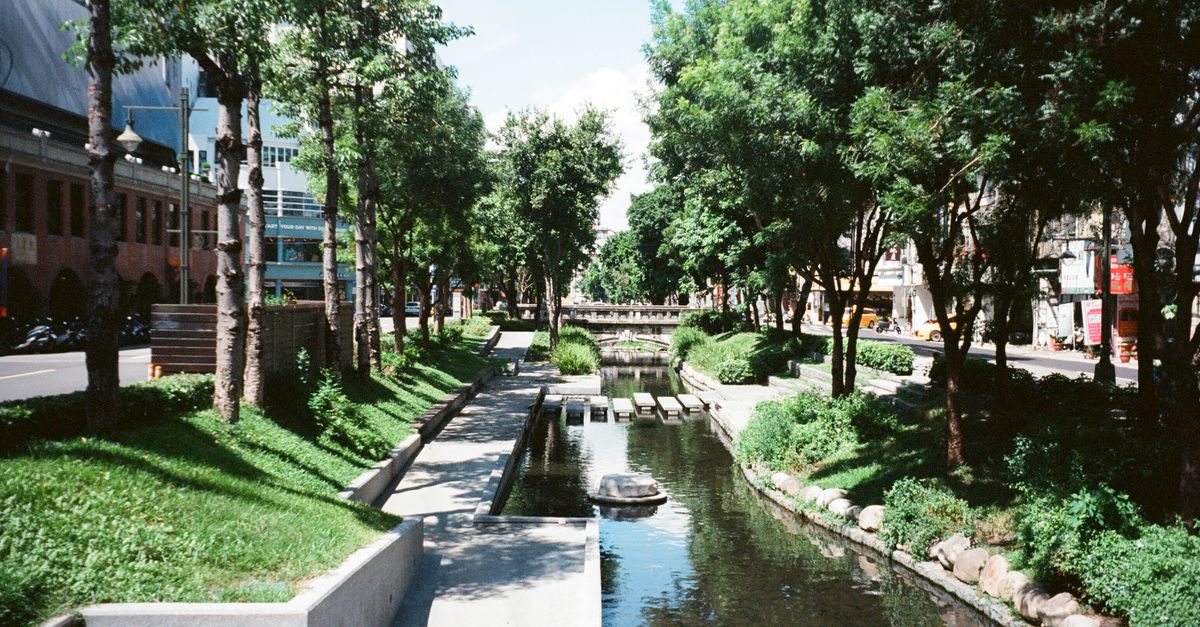
The second zone is the central business and shopping district. This area often features larger, more established hotels with standardized amenities. It is a strong choice for those who want to be equidistant from multiple attractions and prefer the convenience of being near major transport hubs or high-end shopping malls. The atmosphere here is more professional and polished, providing a different contrast to the chaotic charm of the night markets.
Finally, there is the area around the main railway station. This is often the most practical choice for travelers arriving from Taipei or Kaohsiung. While it may not be immediately adjacent to the largest night markets, it provides a strategic jumping-off point for the entire city. The variety of accommodation styles here ranges from budget-friendly guesthouses to mid-range hotels, making it a versatile option for various budgets.
Matching the stay style to the traveler persona
Traveler fit is a crucial consideration when comparing accommodation. Families with young children may find the central districts more appealing due to the availability of larger room categories and quieter surroundings, reducing the stress of navigating dense crowds with strollers. For them, a hotel with an elevator and a spacious layout is often more important than being exactly next to a food stall.
Solo travelers or couples on a culinary mission may prefer the vibrancy of the Fengjia area. The ability to step out of the hotel and immediately enter a world of street snacks and trendy boutiques fits a high-energy travel style. For these travelers, a smaller, more basic room is often acceptable because the majority of their time is spent exploring the streets.
Business travelers or those seeking a more refined experience should look toward the upscale areas of the city. These zones typically offer better Wi-Fi infrastructure, dedicated workspaces, and a quieter environment for resting. The trade-off is a greater reliance on ride-hailing services or buses to reach the more traditional, bustling parts of Taichung.
Local context and the night market rhythm
To truly understand Taichung, one must understand the relationship between the residential zones and the night markets. The markets are not just tourist spots; they are community hubs. Staying very close to these areas means experiencing the city as the locals do, but it also means dealing with the sounds of scooters and the smells of frying oil that can permeate the air.
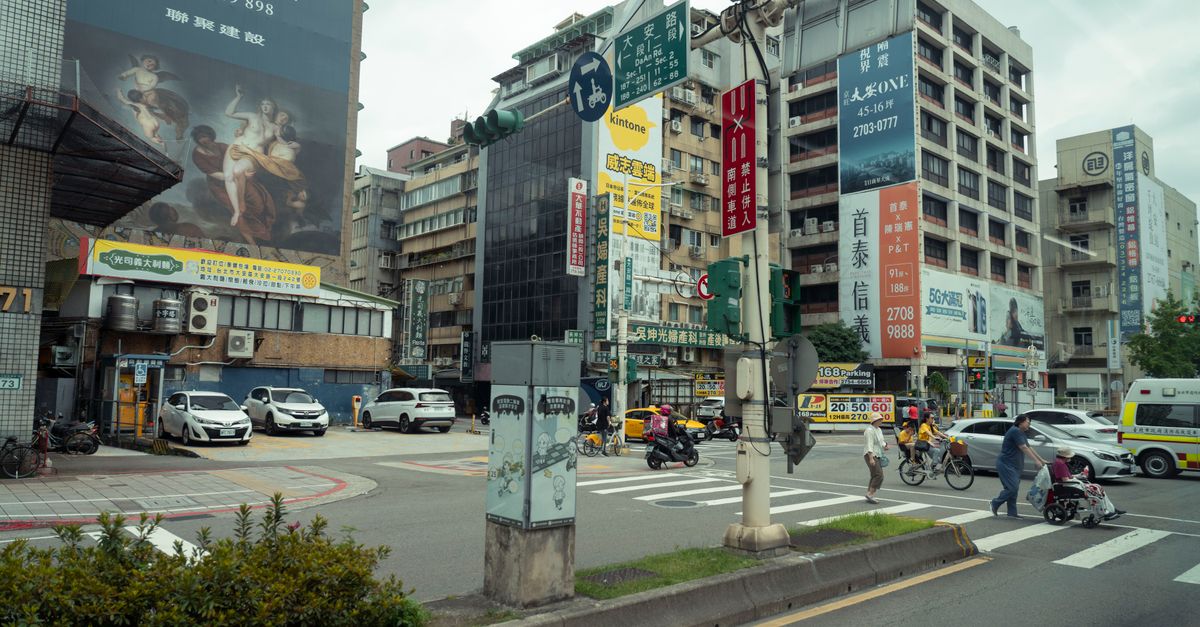
It is worth considering that while "walking distance" is a common term on booking sites, the actual experience can vary. A ten-minute walk in a quiet suburb is different from a ten-minute walk through a crowded night market alley. Travelers should check the map to see if the path to the market is through a main road or a residential side street, as this affects both safety and the overall experience of the walk.
Room category checks and booking considerations
Before finalizing a booking, it is essential to look beyond the photos. In high-density Taichung hotel areas, room categories can vary wildly in terms of quality. A "Standard Room" in a boutique hotel might be significantly smaller than a "Standard Room" in a larger international chain. It is advisable to check for the actual square footage and the bed configuration, especially for those traveling in groups.
Soundproofing is another critical point. If staying near a night market, check if the room is listed as "street view" or "city view." High-floor rooms often provide a better escape from the noise of the street. Additionally, verify the air conditioning type and the availability of a window, as some budget-friendly options in older buildings may have limited ventilation.
Travelers comparing this destination can place individual hotel reviews next to area guides so the final choice reflects both location and room expectations. This ensures that the visual appeal of a hotel does not overshadow the practical needs of the itinerary.
Practical stay-planning checklist
- Verify the exact map location relative to the specific night market entrance you plan to visit.
- Check the room category for mentions of soundproofing or high-floor placement to avoid street noise.
- Confirm the availability of an elevator, especially if booking a stay in older boutique buildings.
- Review the cancellation terms to ensure flexibility in case of itinerary changes.
- Check if the hotel offers luggage storage for early arrivals or late departures.
- Verify the payment conditions to see if a deposit is required upon check-in.
- Confirm the distance to the nearest public transport stop or ride-hailing pick-up point.
FAQ about Taichung hotel areas
Which Taichung hotel areas are best for food lovers?
The areas surrounding Fengjia Night Market are generally the most suitable for food lovers. These zones allow for immediate access to a vast array of street food and trendy cafes. However, travelers should consider if they prefer the convenience of walking or the peace of staying a few blocks away in a quieter residential street.
What should I check before booking a hotel in Taichung?
It is important to verify the room category and the noise level of the location. Because many popular areas are bustling, checking for soundproofing or requesting a higher floor can significantly improve the stay. Additionally, confirming the current cancellation policies and the availability of elevators is recommended for a smoother experience.
Are city center hotel areas better for families than night market zones?
City center areas may be more suitable for families as they often provide larger room options and a quieter environment. While they require a short commute to the night markets, the reduction in noise and the proximity to shopping malls and parks often make them a more practical choice for those with children.
Making the final stay decision
Deciding where to stay in Taichung depends entirely on whether you prioritize convenience, tranquility, or a specific travel mood. Those who want the full, energetic experience of Taiwan's street culture will find the night market-adjacent areas exhilarating. Meanwhile, those seeking a more structured and relaxed city break may find the central districts or the area near the railway station more aligned with their needs.
For most international travelers, a balanced approach is best: choosing a hotel that is within a reasonable ride-hailing distance of the markets but situated in a street that allows for a restful night's sleep. As you move from the planning stage to booking, remember to check current rates, room categories, and availability. Always verify the map location and booking conditions one last time to ensure the stay truly fits the vision of your trip.
