

Tokyo Hotel Areas and Stay Planning for Solo Travelers
Arriving in a metropolis as vast as Tokyo often brings a primary challenge for solo travelers: deciding which neighborhood serves as the most efficient base. The city is a collection of distinct hubs, each offering a different rhythm and level of accessibility. For someone traveling alone, the priority usually shifts toward a balance of safety, ease of navigation, and proximity to transport links that minimize unnecessary walking with luggage. Understanding the nuances of various Tokyo hotel areas allows a traveler to align their accommodation with their daily energy levels and sightseeing goals.

Matching the stay base to a solo itinerary
The mood of a solo trip in Tokyo can vary from a high-energy exploration of neon districts to a quiet immersion in traditional gardens. Because solo travelers do not need to compromise on location for a group, they have the flexibility to choose a neighborhood that specifically mirrors their personal travel pace. A fast-paced itinerary focused on shopping and nightlife may favor the western hubs, while a more curated, museum-focused trip might suggest the eastern districts.
When evaluating suitability, it is worth considering how much time will be spent navigating the subway system. While Tokyo's transit is highly efficient, the sheer volume of passengers during peak hours can be draining. Choosing a stay area that puts major attractions within a reasonable walking distance or on a direct train line can significantly reduce daily stress for an independent traveler.
Analyzing Tokyo hotel areas near major transport hubs
Major transport hubs often provide the most logical starting point for accommodation planning. Shinjuku, for instance, is a massive crossroads that offers an immense variety of stay styles. While it is incredibly convenient for accessing various train lines, the density of the crowd can be overwhelming. For those who prefer a more sophisticated and organized atmosphere, Ginza provides a different texture, characterized by wider streets and high-end retail, making it a calmer alternative for a solo base.
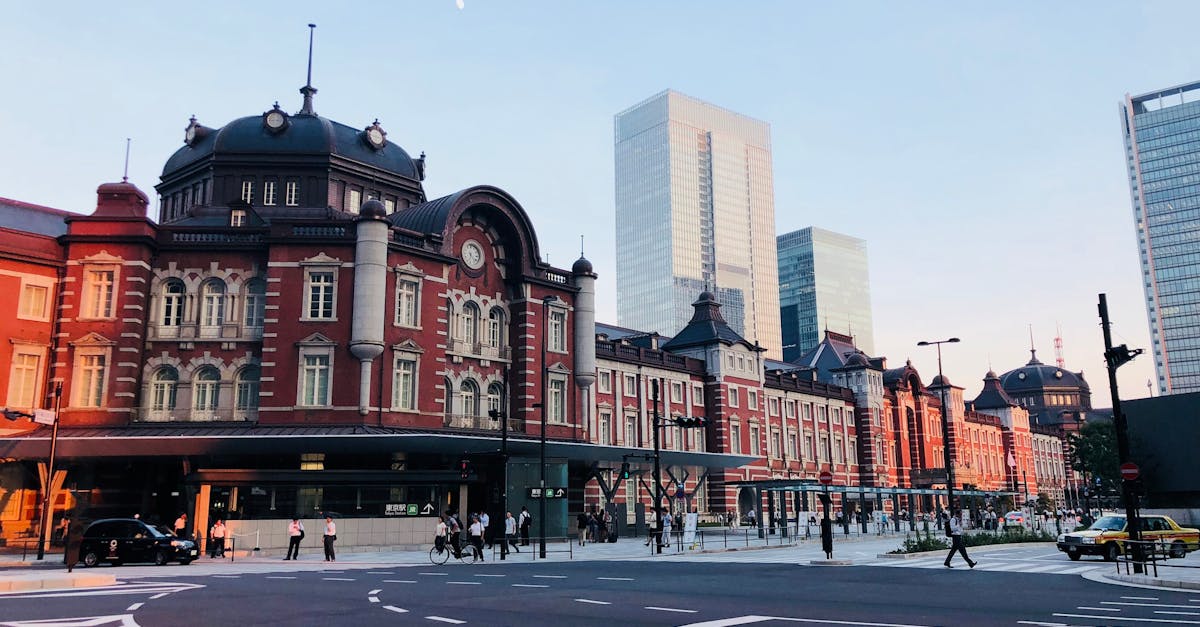
Ueno is another area worth considering, particularly for those arriving via the Narita Express or those who enjoy a blend of nature and culture. The proximity to the park and museums creates a more relaxed environment compared to the western hubs. When comparing these areas, the decision often comes down to whether the traveler prefers the electric energy of a commercial center or the steadier pace of a cultural district.
Travelers comparing this destination can place individual hotel reviews next to area guides so the final choice reflects both location and room expectations.
The impact of neighborhood texture on daily movement
In Tokyo, the distance between a hotel and the nearest station exit can fundamentally change the experience of a trip. Some areas are designed with sprawling underground malls that can be confusing to navigate, while others have straightforward street-level access. Solo travelers should check the map to see if the accommodation is located near a specific station exit that simplifies their commute.
Local texture also affects evening accessibility. Some neighborhoods are vibrant and safe for solo wandering late at night, while others become quiet residential zones very quickly. Understanding this distinction helps in choosing a stay that offers a sense of security and availability of dining options after a long day of exploration.
Comparing stay styles for the independent traveler
Tokyo offers a unique spectrum of accommodation styles that cater specifically to those traveling alone. Business hotels are a staple of the city, offering compact, highly functional rooms designed for efficiency. These are often a practical choice for solo travelers who prioritize a private bathroom and a consistent standard of cleanliness over room size.

On the other hand, capsule hotels provide a distinct cultural experience and are often more budget-friendly. However, the trade-off is the lack of privacy and the requirement to use shared facilities. For a longer stay, this may become tiring, whereas for a short city break, it can be an efficient way to stay central. It is also worth exploring small boutique hotels or guest houses in quieter residential pockets for a more local feel, provided the transport access remains viable.
Room category and safety checks for independent travelers
When booking a stay in Tokyo, the term "single room" can vary significantly in size. Some rooms are designed for minimal movement, while others offer a bit more breathing space. It is advisable to check the exact square footage in the room description to ensure the space is comfortable for the intended length of stay.
Safety is generally high in Tokyo, but solo travelers should still verify the hotel's check-in policies and security features. Confirming whether the property has 24-hour front desk service can provide extra peace of mind, especially for those arriving on late-night flights. Additionally, checking for the presence of a reliable Wi-Fi connection in the room is crucial for those relying on digital maps for navigation.
Essential verification list before booking
- Verify the walking distance from the hotel to the nearest station exit on a map.
- Check the room square footage to ensure the "single" category fits your needs.
- Confirm the cancellation terms, especially for solo travelers whose plans may shift.
- Review recent guest feedback regarding noise levels, as some central areas can be loud.
- Check if the hotel offers luggage storage for the final day of the trip.
- Confirm the availability of 24-hour reception or a secure self-check-in method.
FAQ about Tokyo hotel areas
Which Tokyo hotel areas are most convenient for first-time solo travelers?
Areas like Shinjuku and Ginza are often highly convenient because they are major transport hubs with an abundance of dining and shopping. Shinjuku offers unmatched connectivity, while Ginza provides a more structured and upscale environment that is easy to navigate for those unfamiliar with the city.
What should solo travelers check regarding room categories in Tokyo?
It is important to check the actual dimensions of the room, as Tokyo hotel rooms are famously compact. Solo travelers should distinguish between a standard single room and a semi-double room, as the latter may be slightly larger but is often marketed for two people.
Does staying near a major hub always make sense for everyone?
Not necessarily. While hubs offer convenience, they can also be crowded and more expensive. Travelers seeking a quieter atmosphere or a more authentic residential experience may find areas like Ueno or smaller neighborhoods near the Yamanote line more appealing, provided they are comfortable with a short commute.
Choosing the right neighborhood for your trip
The decision of where to stay in Tokyo ultimately depends on the priority of the traveler. For those who value maximum efficiency and the thrill of the city, staying in a high-activity hub is a logical choice. For those who prefer a slower pace and more cultural proximity, the eastern side of the city may be more suitable.
Independent travelers are encouraged to research multiple Tokyo hotel areas and compare the layout of the city against their intended itinerary. Before making a final payment, always verify current rates, room categories, and the exact map location of the property. Ensuring the accommodation aligns with both the transport needs and the personal mood of the trip will lead to a more seamless and enjoyable experience in Japan's capital.
