


Dubai Hotel Areas and Stay Planning for First Time Visitors
Booking a hotel in Dubai often starts with a confusing dilemma: should you stay amidst the futuristic skyscrapers of the city center or within the traditional trading hubs of the old town? For first-time visitors, this decision is more than just about the nightly rate; it dictates how much time is spent in traffic and which version of the city becomes your home base. Understanding the various Dubai hotel areas is essential because the city is geographically spread out, and a location that looks central on a map may not align with your actual sightseeing goals or budget expectations.
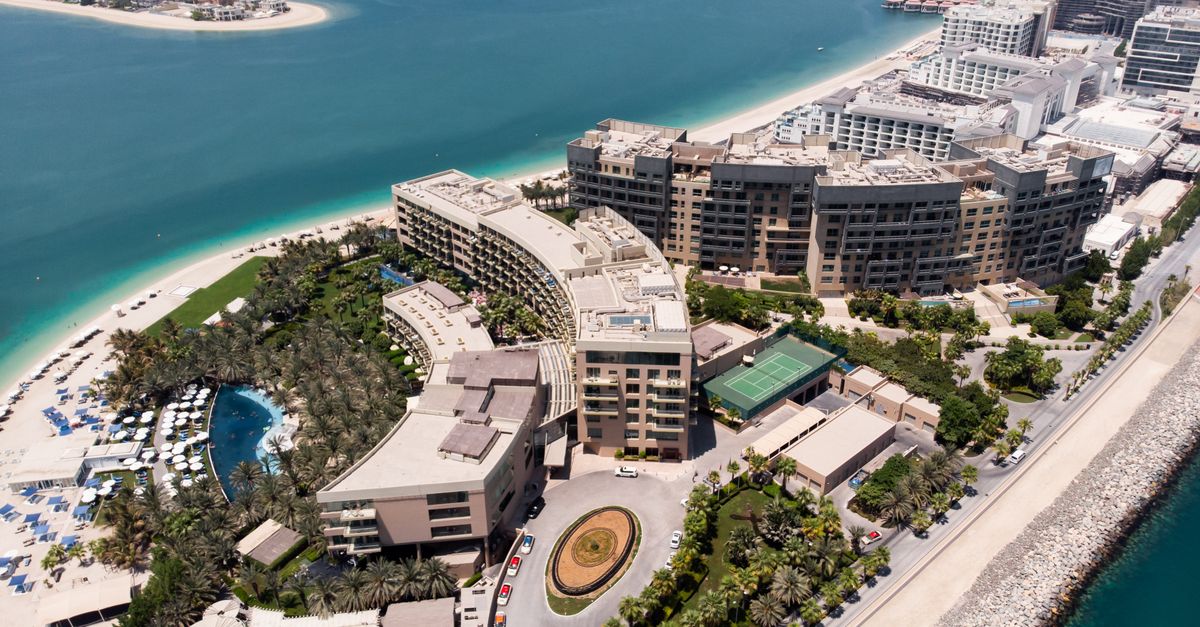
The impact of location on the overall travel rhythm
The mood of a trip to Dubai is largely determined by where you wake up each morning. The city does not have a single "center" in the traditional sense, but rather several hubs of activity. For those seeking a high-energy, polished experience, the modern districts offer a seamless blend of shopping and architecture. Conversely, those who prefer a slower, more organic exploration of local markets and heritage sites will find the older districts more appealing.
Choosing the wrong area can lead to unexpected transport costs and fatigue. Because the heat can be intense for much of the year, the distance between your hotel and the nearest climate-controlled transport link—such as a metro station—can significantly impact your daily comfort. A hotel that appears affordable may become expensive if ride-hailing services are required for every single outing.
Decoding the contrast between Downtown and Deira
When comparing Dubai hotel areas, the contrast between Downtown and Deira represents the two identities of the city. Downtown is the heart of modern Dubai, characterized by wide boulevards, luxury high-rises, and proximity to the most famous landmarks. Staying here usually means a more streamlined, upscale experience where everything feels curated. It is generally more suitable for travelers who prioritize convenience, luxury, and being within walking distance of major malls and observation decks.

Deira, on the other hand, is where the city's mercantile history lives. This area is defined by the gold and spice souks, traditional dhow boats, and a denser, more bustling street atmosphere. Accommodations here tend to be more varied in price, offering more budget-friendly options compared to the city center. Deira is often a better fit for travelers who enjoy local textures, traditional dining, and a more authentic sense of community, though it can feel more chaotic than the planned precision of Downtown.
Navigating the local layout for better mobility
Understanding the layout of the city is crucial because the distance between the old and new districts can be significant. Most international travelers find that the Dubai Metro serves as the backbone of their transport, but not every hotel is equally accessible to it. It is worth confirming the actual walking distance to the nearest station, as some hotels may claim to be "near" the metro while still requiring a long walk in the sun.
For those staying in Deira, the experience is more about navigating narrow streets and using traditional water taxis (abras) to cross the creek. In Downtown, the movement is more about indoor connections and pedestrian bridges. Travelers comparing this destination can place individual hotel reviews next to area guides so the final choice reflects both location and room expectations.
Matching your accommodation style to your travel goals
The type of stay you choose should reflect your trip's primary objective. City hotels in Downtown typically offer standardized luxury, with high-floor views and extensive concierge services. These are ideal for those on a short city break who want a polished, effortless experience. If the goal is a high-paced itinerary of sightseeing and shopping, these bases provide the most efficiency.

In contrast, staying in Deira or surrounding older districts often means choosing between mid-range business hotels or smaller, more traditional guesthouses. These options may provide more value for money, allowing travelers to allocate more of their budget to experiences and dining. However, it is important to manage expectations regarding the age of the buildings and the style of the interior design, which may be more functional than fashionable.
Critical room details to verify before payment
Before confirming a booking in any of the Dubai hotel areas, it is vital to look beyond the primary photos. In high-rise districts, "city view" can vary wildly—some rooms may face a stunning skyline, while others may look directly at a neighboring building. It is worth checking if the room category specifically guarantees the view you desire.
For family travelers, the bed configuration is a critical check. Some rooms listed as "family rooms" may use sofa beds rather than standard beds, which can affect sleep quality. Additionally, checking the availability of an elevator in older buildings in Deira is a practical step, as some older properties may have limited accessibility. Always verify the cancellation terms, as peak season dates in Dubai often come with stricter non-refundable policies.
Final checks for a practical stay
To avoid common mistakes when planning a stay in Dubai, use the following checklist before finalizing your payment on any booking platform:
- Confirm the exact walking distance to the nearest Metro station or bus stop on a map.
- Verify the room category to ensure the bed type and view match your requirements.
- Check if breakfast is included, as dining out in high-end areas can be significantly more expensive.
- Review the most recent guest comments regarding noise levels, especially for hotels near main roads in Deira.
- Confirm the hotel's policy on airport transfers and whether they are complimentary or paid.
- Double-check the cancellation window to ensure flexibility for your flight schedule.
FAQ about Dubai hotel areas
Which Dubai hotel areas are most suitable for first-time visitors?
Downtown is generally more suitable for those who want a luxurious, convenient introduction to the city's modern side. Deira is better for travelers who prefer a more traditional, budget-friendly experience. Many first-timers find that splitting their stay between both areas allows them to experience the full spectrum of the city's personality.
Is it better to stay in Downtown or Deira for shopping?
It depends on the type of shopping you prefer. Downtown provides access to massive, luxury air-conditioned malls with international brands. Deira is the place for traditional souks, gold, textiles, and spices. If you prefer bargaining and cultural discovery, Deira is the better base; for luxury retail, Downtown is more convenient.
What should I check before booking a hotel in Dubai?
You should prioritize checking the hotel's proximity to public transport and the specific room category. Because the city is large, a low price can be offset by high transport costs. Also, verify the current booking conditions and cancellation policies, as these often change based on the season.
Making the final stay decision
Deciding where to stay in Dubai comes down to a balance between your desired atmosphere and your practical needs. If you are traveling for the first time and want a seamless, high-end experience, the modern districts around Downtown are a logical choice. If you are a more adventurous traveler or are working with a tighter budget, the traditional charm and value of Deira can be very rewarding.
Regardless of the area, remember that the city's layout can be deceptive. Always verify the map location and read current guest feedback regarding the actual neighborhood feel. Before moving from planning to booking, ensure you check current rates, room category availability, and the specific booking conditions to ensure your stay aligns with your travel rhythm.
