

Hakone Resort Areas and Stay Planning Tips for International Travelers
A breathtaking destination is only half of the travel experience; the other half is the hotel base that supports it. In a place like Hakone, the gap between a well-chosen base and a poorly located one can significantly change the daily rhythm of a trip. For international travelers, navigating the various Hakone resort areas often means balancing the desire for an authentic Japanese experience with the practical need for accessibility. This guide is designed for short-stay travelers who need to make simple, effective decisions about where to plant their bags without overcomplicating the planning process.
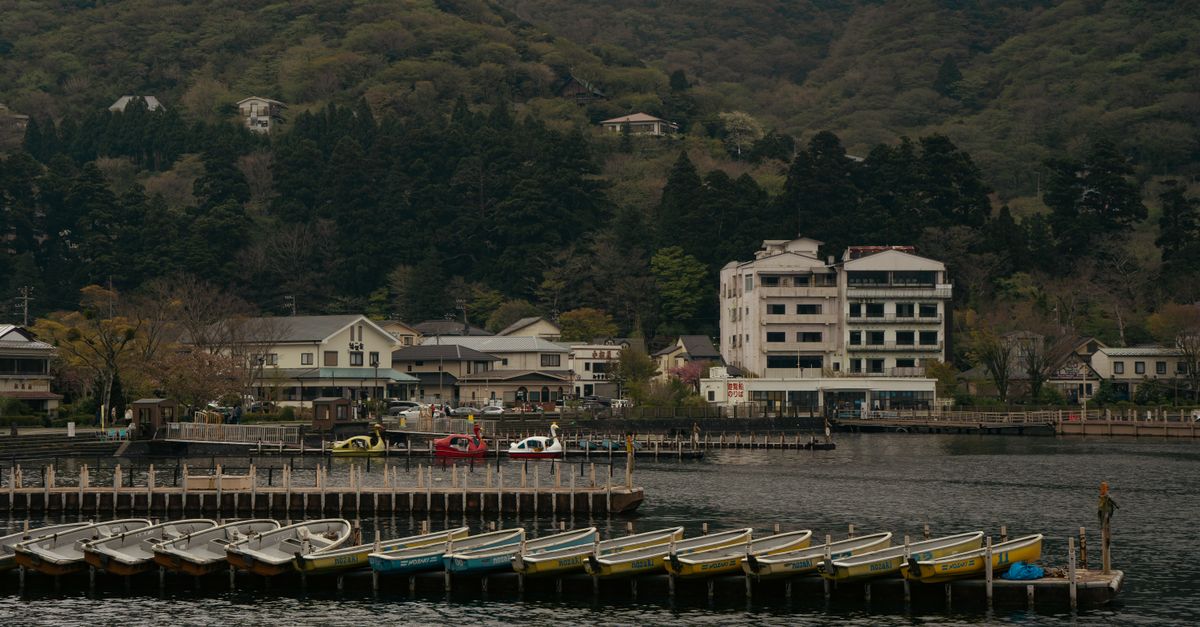
Matching the travel mood to your accommodation choice
Hakone offers a specific kind of stillness, blending volcanic landscapes with refined hospitality. For some, the trip is about the active pursuit of sights like the open-air museum or the lake cruise. For others, the destination is a retreat meant for slowing down and disconnecting. The tension between these two moods often dictates where a traveler should stay.
Short-stay travelers who prioritize efficiency may find that a centrally located hotel allows for more sightseeing. On the other hand, those who view the accommodation as the primary event of the trip may find a secluded ryokan more rewarding. Understanding this preference early helps avoid the frustration of staying in a quiet mountain retreat when the goal was to visit as many landmarks as possible, or staying in a busy hub when the goal was absolute silence.
Travelers comparing this destination can place individual hotel reviews next to area guides so the final choice reflects both location and room expectations.
Analyzing different Hakone resort areas for accessibility
The geography of Hakone is varied, meaning that moving from one area to another can take more time than it appears on a map. Different Hakone resort areas serve different logistical purposes. Hakone-Yumoto is the primary entry point for most arriving by train. It is often a practical choice for those who want immediate access to shops and local eateries upon arrival or before departure.
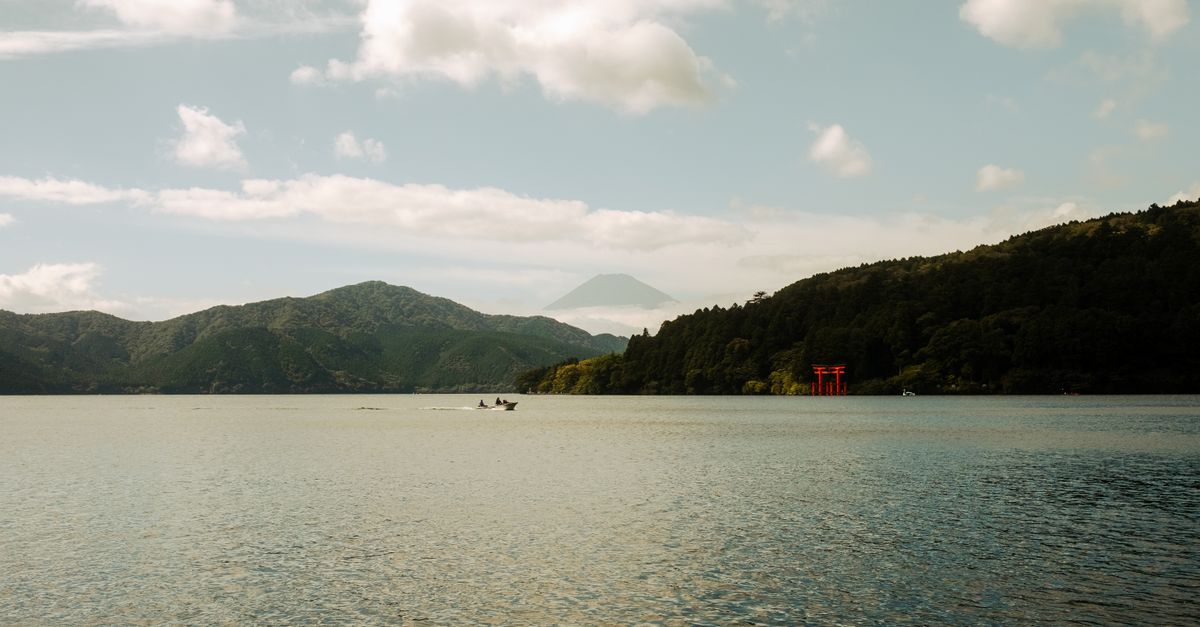
Further up the mountain, Gora offers a different atmosphere, often associated with art galleries and a more elevated feel. This area can be a useful base for those who want to be closer to the mountain railway and cable car systems. Then there is the Motohakone and Lake Ashi region, where the mood shifts toward waterfront views and a slower pace. While visually stunning, this area is further from the main train station, which may affect how travelers manage their luggage and daily commutes.
Choosing an area depends largely on whether the traveler prefers to wake up in the heart of the village or in the quiet of the forest. Those who plan to use the Hakone Free Pass to explore the entire loop may find that different areas offer different starting points for their itinerary.
Ryokans versus hotels for the short-stay traveler
The decision between a ryokan and a western-style hotel in Hakone is more than just a choice of bed; it is a choice of experience. A ryokan provides a traditional immersion, featuring tatami flooring and often a commitment to Japanese hospitality rituals. For many international travelers, this is the highlight of the trip. However, ryokans often operate on a stricter schedule, particularly regarding dinner and breakfast times.
Modern hotels in the region offer more flexibility. They typically provide western beds, which may be more suitable for travelers with back concerns or those who are not accustomed to sleeping on futons. Hotels also generally offer more freedom with dining, allowing guests to explore local restaurants rather than being tied to a pre-arranged kaiseki meal plan.
For a short stay, a hybrid approach is sometimes considered, where one night is spent in a ryokan for the cultural experience and the rest in a hotel for convenience. This can be a practical way to balance the desire for tradition with the need for a flexible schedule.
How local transport affects your stay decision
In Hakone, the hotel base should match the pace of the itinerary because transport involves multiple modes, including trains, cable cars, and buses. The effort required to move luggage through these transitions is a factor that often gets overlooked during the booking process.
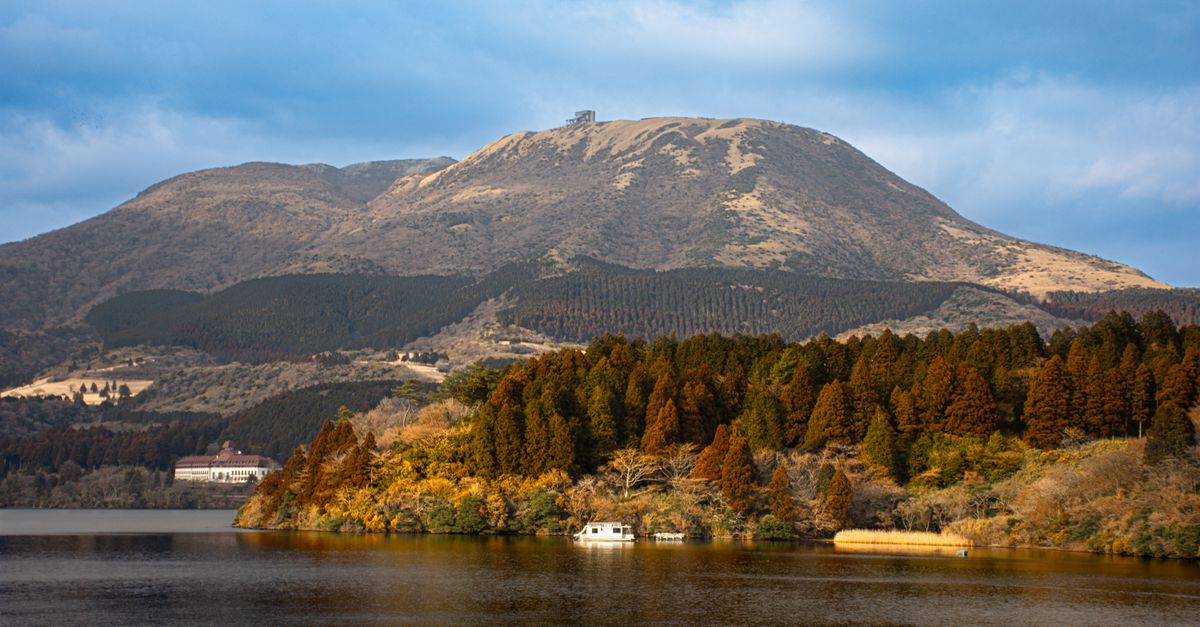
Staying near a major transport hub in the lower resort areas can reduce the stress of arrival and departure. Conversely, staying in the higher elevations might mean relying more heavily on local buses or taxis to reach the main station. It is worth confirming whether a property provides a shuttle service, as this can significantly simplify the experience for those with heavy suitcases.
The flow of the Hakone loop is generally circular. If the plan is to see everything in one go, the choice of area may matter less than the proximity to any single point on that loop. However, for those who prefer to venture out and return to their base for a soak in the hot springs, the daily travel time becomes a priority.
Critical room category and booking checks for hot spring stays
When browsing accommodation in Hakone, the term onsen (hot spring) can mean different things depending on the room category. Some properties offer a private open-air bath in the room, while others only provide access to shared public baths. For travelers who value privacy or are uncomfortable with public bathing, verifying the specific room features is essential before payment.
Another point to check is the meal plan. In many ryokans, the rate includes half-board (breakfast and dinner). While these meals are often elaborate and high-quality, they require the guest to be present at the hotel at a specific time. Travelers who prefer to spend their evenings exploring local town centers should check if a room-only or breakfast-only option is available.
Bedding types also vary. Some rooms are listed as Japanese-style (futons on tatami) and some as Western-style (beds). Some properties offer a mix. Confirming the exact bedding configuration ensures that the stay is physically comfortable for all members of the travel party.
A practical checklist for your Hakone stay planning
- Verify the distance from the hotel to the nearest train station or bus stop on a map.
- Check if the room category includes a private bath or only shared facility access.
- Confirm whether the rate includes a mandatory meal plan or offers flexible dining.
- Review the bedding type to ensure it matches the traveler's physical preference.
- Verify if the property offers a luggage shuttle or easy access for heavy bags.
- Check the cancellation terms, especially for ryokans which may have stricter policies.
- Confirm the check-in and check-out times to align with arrival and departure transport.
FAQ about Hakone resort areas
Which Hakone resort areas are most suitable for first-time visitors?
Areas like Hakone-Yumoto are often worth considering because they serve as the main gateway to the region. Staying near the primary transport hubs can simplify the process of moving between sights, although travelers may find these areas busier than the quieter mountain retreats.
Should I choose a ryokan or a hotel in Hakone?
A ryokan may suit those seeking a traditional Japanese atmosphere with tatami mats and multi-course meals. Conversely, a modern hotel is often more suitable for travelers who prefer western-style bedding and a more flexible schedule regarding dining and check-out times.
What specific room details should be checked when booking in Hakone?
Travelers should verify if the room includes a private hot spring bath or if guests must use a communal facility. It is also useful to confirm the bedding type and whether breakfast and dinner are bundled into the rate, as this is common in traditional stays.
Finalizing your stay based on trip priorities
Deciding where to stay in Hakone requires a balance between the desire for an immersive experience and the reality of logistical convenience. For travelers who prioritize ease of movement and flexibility, a modern hotel in a transit-accessible area is likely the most practical choice. For those who view the stay as a form of relaxation and cultural exploration, a traditional ryokan in a quieter resort area can provide a more memorable atmosphere.
Regardless of the choice, the key is to look beyond the photos. A beautiful room is less valuable if the location adds hours of unnecessary travel to the daily itinerary. Travelers are encouraged to check current rates, room categories, and map locations on a trusted booking site to ensure the accommodation aligns with their actual pace of travel. Confirming the final booking conditions and availability before payment will help ensure the stay supports the overall trip goals.
