

Hanoi Stay Planning and Practical Hanoi hotel booking tips
The success of a short trip often depends on where the traveler rests between activities. In a city as vibrant and densely packed as Hanoi, the accommodation is not just a place to sleep, but the anchor of the entire daily itinerary. Choosing a hotel without considering the local urban texture can lead to unexpected challenges, such as rooms that feel smaller than they appeared in photos or street noise that persists throughout the night. For those visiting the capital for a few days, applying specific Hanoi hotel booking tips during the research phase can prevent these disruptions and ensure a more restorative experience.

A base that matches the pace of the itinerary
Hanoi is a city of distinct zones, and where a traveler chooses to stay fundamentally changes their interaction with the destination. The Old Quarter is the most frequent choice for those seeking immediate access to street food, markets, and historic architecture. However, this area is characterized by narrow streets and a constant flow of activity. A stay here allows for a high-paced, walkable experience, but it may be less ideal for those who prioritize silence and spaciousness.
Other areas, such as the Hoan Kiem lake perimeter or the more modern districts, may offer a different rhythm. These locations often provide larger hotel footprints and a slightly more buffered environment from the intensity of the narrow alleys. Depending on the itinerary, a traveler might find that staying slightly outside the immediate center reduces noise levels while remaining within a short ride-hailing distance of the main attractions.
Why room dimensions matter in dense urban centers
Many accommodations in the heart of Hanoi are housed in traditional tube houses—buildings that are narrow and deep. This architectural style often results in rooms that may feel compact, especially when compared to international standards. When browsing a booking platform, photos can sometimes be misleading due to wide-angle lenses that make a small space appear expansive.

Travelers should look for specific square footage in the room description. If the dimensions are not listed, it is worth confirming via the booking platform's messaging system. For those traveling with larger suitcases or those who prefer more movement space, opting for a higher room category or a more modern hotel building often guarantees a more generous layout. Travelers comparing these options can often look at budget or luxury hotel guides to see how room standards differ across price points.
Balancing the buzz of the city with sleep quality
Noise is one of the most discussed factors when reviewing stays in Hanoi. The sound of motorbikes, street vendors, and the general energy of the city is part of the charm, but it can become a hurdle for those who are sensitive to sound. Many hotels in the Old Quarter have rooms facing the street and others facing an internal courtyard.
Courtyard-facing rooms are generally quieter and may suit light sleepers. However, they might lack natural light or a view of the city. On the other hand, street-facing rooms provide the "Hanoi experience" but may require the use of earplugs. It is advisable to check recent guest reviews specifically for mentions of soundproofing or street noise. Some newer establishments may have invested in double-glazed windows, which can significantly reduce the decibel levels inside the room.
Boutique stays versus larger hotel structures
The choice between a small boutique hotel and a larger establishment often comes down to a trade-off between intimacy and predictability. Boutique hotels in Hanoi often offer a more personalized atmosphere and a unique local aesthetic. They are frequently located in the most atmospheric parts of the city, providing a sense of place that larger hotels might lack.
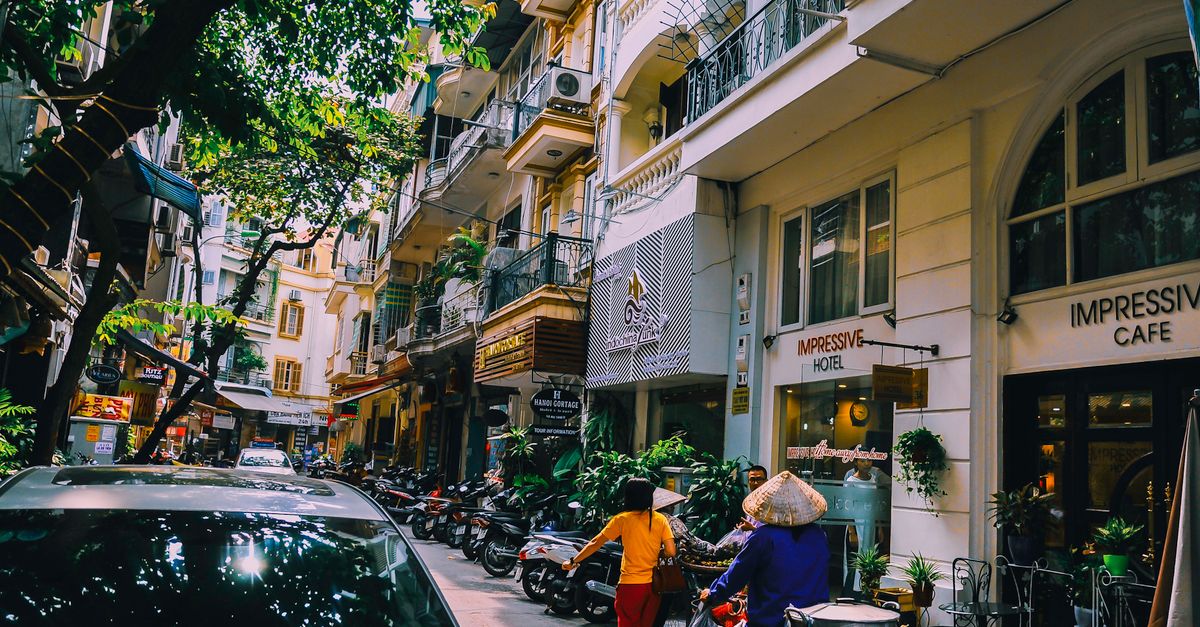
Larger hotels typically offer more standardized room sizes and more robust soundproofing. They are more likely to have elevators, which is a critical check for those with heavy luggage, as some smaller boutique hotels may only have narrow stairs. For a short-stay traveler, the decision should depend on whether they value the charm of a local alley stay or the consistent comfort and facilities of a larger building.
Essential verification before confirming the booking
Before finalizing a payment, a few technical checks can save a traveler from disappointment upon arrival. The presence of a window is a key detail; in dense urban areas, some lower-tier rooms may be internal and lack natural light or ventilation. Verifying that the room has an external window can greatly improve the stay experience.
Another point of consideration is the bed configuration. In some compact rooms, the space around the bed may be limited, making it difficult to open large luggage. Checking the room category descriptions for terms like "Standard" versus "Deluxe" often reveals differences not just in amenities, but in the actual physical space available. It is also wise to review the cancellation terms, as travel plans in Vietnam can shift depending on weather or itinerary changes.
Practical stay verification checklist
- Verify the room's position on the map to ensure it is not in an overly congested alley if noise is a concern.
- Check the room description for actual square footage or size indicators to avoid undersized spaces.
- Read recent reviews specifically mentioning noise levels and the effectiveness of soundproofing.
- Confirm if the room has a window that opens to the outside for natural light and air.
- Check for the availability of an elevator, especially if staying on a higher floor in a boutique hotel.
- Review the cancellation policy to ensure flexibility before making a final payment.
- Cross-reference photos with guest-uploaded images to get a realistic view of the room layout.
FAQ about Hanoi hotel booking tips
How can I ensure a quiet room in the Old Quarter?
The most effective way is to request a room facing the internal courtyard rather than the street. Additionally, check the booking platform for mentions of double-glazed windows or soundproofing in recent guest reviews. Choosing a hotel on a smaller side street rather than a main thoroughfare can also significantly reduce ambient noise levels.
What are the most important Hanoi hotel booking tips regarding room size?
Look for specific square meter measurements in the room details and avoid relying solely on professional photos. If the size is not listed, it is worth asking the property directly. Opting for a higher room category, such as a Deluxe or Suite, typically provides more space for luggage and movement in the narrow tube-house style buildings.
Which area in Hanoi is best for a short-stay traveler?
For those who want to maximize their time, the area around Hoan Kiem Lake and the Old Quarter is generally most convenient due to its walkability. However, if peace and quiet are priorities, staying in the Ba Dinh or Tay Ho districts may be more suitable, provided the traveler is comfortable using ride-hailing services to reach the center.
Finalizing your Hanoi accommodation decision
Choosing the right stay in Hanoi requires a balance between the desire for central convenience and the need for physical comfort. For travelers who embrace the energetic chaos of the city, a boutique stay in the heart of the Old Quarter is likely to appeal. For those who require a sanctuary of silence and more room to breathe, a more modern hotel in a quieter district may be the better choice.
Ultimately, the decision should be based on the traveler's specific tolerance for noise and their need for space. It is always recommended to check current rates, actual room categories, and map locations one last time before confirming the booking. Verifying the availability and current booking conditions ensures that the transition from planning to arriving is as smooth as possible.
