

Hiroshima hotel areas for practical stay planning
Choosing the right home base in this region often feels like a tug-of-war between urban efficiency and scenic tranquility. For many international travelers, the struggle lies in deciding whether to stay within the city center or venture across the water to the island of Miyajima. Understanding the distinct characteristics of various Hiroshima hotel areas is essential because the location can fundamentally change the rhythm of the trip, affecting everything from dining options to the daily commute to historical sites.
This guide is designed for first-time visitors who need a practical framework to decide where their stay fits best, ensuring that the chosen area supports their itinerary without adding unnecessary stress to their transit.

Matching your stay area to your travel pace
The mood of a trip to this part of Japan is often a blend of somber reflection and natural beauty. For those who prefer a fast-paced itinerary, staying in the city is usually more practical. The urban core allows for quick movements between the Peace Memorial Park and the various shopping districts, meaning less time spent navigating transit and more time exploring.
On the other hand, travelers seeking a slower, more immersive experience may find the island atmosphere more appealing. The decision depends largely on whether you view the city as your primary hub or if you want the accommodation itself to be a destination. For those visiting for a few days, a city-based hotel often serves as a more flexible launchpad for regional day trips.
Downtown Hiroshima for urban convenience and transit
Most international visitors find that downtown areas provide the most seamless experience. Staying near the main transport hubs generally means easier access to trains and the local streetcar system, which is the primary way to navigate the city. This area is typically characterized by a high density of business hotels and mid-range accommodations that cater to travelers who spend most of their day sightseeing.
The benefit of a city stay is the proximity to dining and retail. Many travelers find it useful to be within walking distance of local eateries and convenience stores, which are plentiful in the urban center. However, it is worth noting that city hotels can vary significantly in room size, and the urban environment is naturally busier and louder than the outskirts or the island.
Travelers comparing this destination can place individual hotel reviews next to area guides so the final choice reflects both location and room expectations.
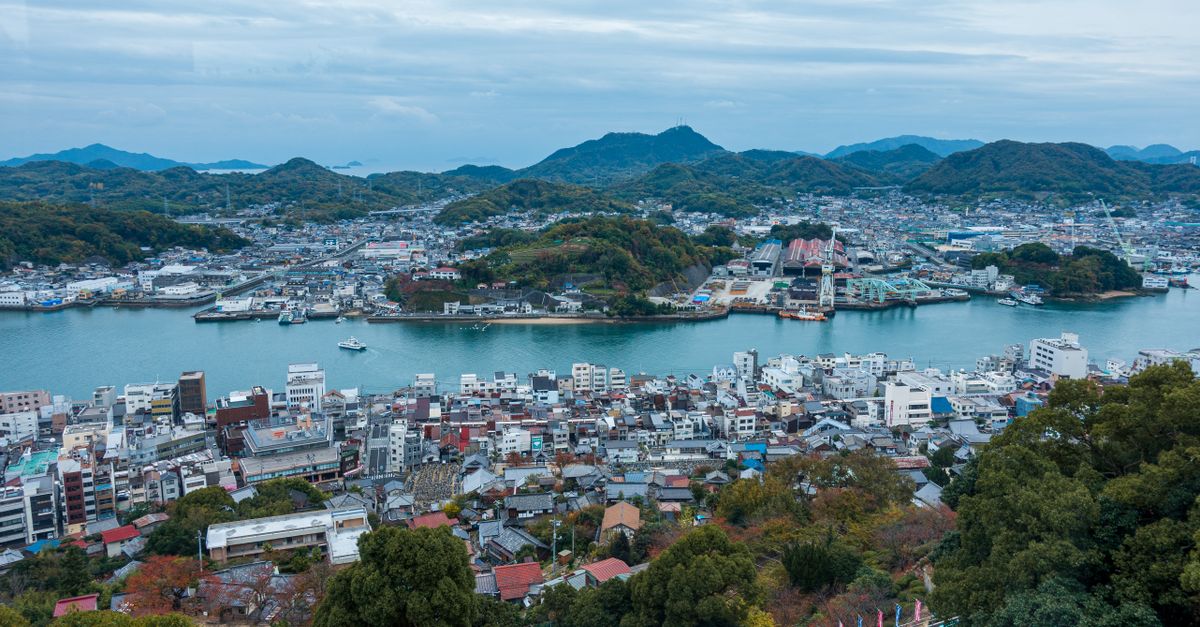
Miyajima for a slower island rhythm
Moving the stay to Miyajima shifts the travel experience entirely. Instead of city lights and transit hubs, guests are surrounded by forests, shrines, and the sea. This area is more suitable for those who want to experience a traditional Japanese atmosphere, often through ryokans or smaller inns. The pace here is dictated by the ferry schedule and the closing times of local shops.
While staying on the island allows you to experience the shrine and the deer in the quieter hours of the early morning or late evening, it requires more logistical planning. You must account for ferry transit times and the fact that late-night dining options are much more limited than in the city. This trade-off is often worth it for couples or those looking for a retreat, but it may be less ideal for those with a strict, multi-city itinerary.
Comparing city hotels and traditional ryokans
The type of accommodation you choose often correlates with the area. In the city, business hotels are the standard. These are generally efficient, clean, and functional, though they can be quite compact. When booking these, it is important to verify the actual square footage of the room to ensure it fits your luggage and comfort needs.
In contrast, Miyajima and the surrounding outskirts offer more traditional ryokan experiences. These stays focus on hospitality, tatami flooring, and often include traditional meals. While these provide a deeper cultural connection, they can be more expensive and may have stricter check-in and check-out times. Travelers should check whether the meal plan is mandatory or optional, as this can significantly affect the overall cost of the stay.

Room details and booking conditions to verify
Before confirming a stay in any of the Hiroshima hotel areas, a few technical checks are recommended. In Japan, room categories can be confusing; a "semi-double" room is often smaller than a standard double and may be tight for two adults. It is wise to check the bed configuration and room dimensions in the listing descriptions rather than relying solely on wide-angle photos.
Additionally, because this region attracts many seasonal tourists, booking conditions can change. It is worth confirming the cancellation policy, especially for ryokans, which may have more restrictive terms than city hotels. Checking whether the hotel provides luggage storage or shuttle services to the station can also save considerable effort upon arrival and departure.
Practical checklist for your stay planning
- Verify the walking distance from the hotel to the nearest streetcar stop or train station.
- Check the room size in square meters to avoid unexpectedly small spaces.
- Confirm if the hotel is located in a quiet zone or a busy commercial street.
- Review the ferry access and timing if choosing a stay on Miyajima.
- Verify the cancellation terms and whether breakfast is included in the rate.
- Check for the availability of elevators, especially in older traditional inns.
- Confirm the check-in window and if late arrivals are accommodated.
FAQ about Hiroshima hotel areas
Which of the Hiroshima hotel areas is best for first-time visitors?
The downtown area is generally more suitable for first-time visitors due to its proximity to the main transport hubs and major sightseeing spots. It reduces the complexity of daily travel and provides easier access to a variety of dining and shopping options, making it a practical base for exploring the region.
Is it better to stay in Hiroshima city or on Miyajima island?
It depends on your priority; the city offers convenience, nightlife, and easy transit, while Miyajima offers peace, nature, and traditional culture. Most travelers find that staying in the city for the majority of their trip and visiting the island as a day trip is the most efficient approach.
What should I check before booking a hotel in Hiroshima?
You should prioritize checking the room size and bed type, as Japanese city hotels are known for being compact. Additionally, verify the hotel's location on a map relative to the streetcar lines and check the current booking conditions and cancellation policies before payment.
Finalizing your accommodation decision
The choice between the urban energy of the city center and the quiet charm of Miyajima ultimately depends on your personal travel style and the pace you wish to maintain. For those who value efficiency and proximity to the main attractions, downtown stays are a logical choice. For those who view the stay as a part of the sightseeing experience, the island's traditional inns offer a unique perspective.
As you move from the planning phase to booking, remember that rates and availability can fluctuate based on the season. It is highly recommended to check current rates, specific room categories, and the exact map location of your choice. Confirming the booking conditions and transport links will ensure that your stay in this historic region is as seamless as possible.
