

Koh Samui Stay Planning and Where to Stay in Koh Samui
Booking a hotel on a tropical island often starts with a beautiful photo of a white sandy beach, but the reality often depends on what happens once you leave the room. A common problem for travelers is selecting a resort that looks serene in pictures but is located in an area too loud for sleep, or choosing a quiet sanctuary only to find they are stranded far from any dining or entertainment options. Deciding where to stay in Koh Samui requires a balance between the desire for a secluded beach experience and the practical need for accessible nightlife and dining.
This analysis is designed for beach travelers who are comparing access, views, and stay styles to ensure their accommodation matches their actual trip pace.

The tradeoff between seclusion and convenience on the island
Koh Samui offers a diverse range of atmospheres that can fundamentally change the feel of a trip. For some, the goal is to spend the entire day under a palm tree with minimal interaction with the outside world. For others, the appeal of Thailand lies in the vibrant evening markets, beach clubs, and social energy. The challenge is that these two desires rarely exist in the same hotel plot.
Travelers who prioritize nightlife and a high density of restaurants may find that high-energy areas are more suitable, even if the beach is slightly more crowded. Conversely, those seeking a romantic or restorative atmosphere may prefer the northern or eastern fringes, accepting that a taxi or scooter rental will be necessary for every meal and outing.
Understanding this divide helps in narrowing down the search. Rather than looking for a hotel that does everything, it is often more practical to choose an area that matches the dominant mood of the trip.
Analyzing the most active hotel areas for beach and night access
When considering where to stay in Koh Samui, the eastern coast typically holds the most popular options for those balancing activity and relaxation. Certain areas are known for their concentration of beach clubs and walking streets, making them ideal for travelers who prefer not to rely on transport for their evening entertainment.
Some zones offer a more balanced rhythm, where the beach remains a primary focus during the day, but a variety of dining options are available within a short walk. These areas can be useful for families or couples who want convenience without the intensity of the main party hubs.
Further north or west, the pace slows down significantly. These areas are often home to larger resorts that provide their own internal ecosystems of dining and leisure. While these may offer more privacy and better views, they can feel isolating for those who enjoy exploring local street food or visiting multiple bars in one night.
Travelers comparing this destination can place individual hotel reviews next to area guides so the final choice reflects both location and room expectations.

Understanding the geography of Samui beaches and road access
A critical point of confusion in island stay planning is the difference between a beachfront property and one with beach access. In many parts of Koh Samui, a hotel may be listed as being near the beach, but a main road or a steep hillside may separate the property from the sand.
It is worth confirming whether a resort has direct, private access to the beach or if guests must walk through a public path or cross a busy street. This detail significantly affects the daily experience, especially for those traveling with children or limited mobility.
Furthermore, the island's topography means that some hotels are perched on cliffs. While this often results in a stunning sea view, it may mean a long walk or a shuttle ride down to the water. Checking the map for the actual proximity of the building to the shoreline is a necessary step before payment.
Choosing between luxury resorts and boutique beach stays
The style of accommodation often dictates the level of interaction with the destination. Large-scale resorts are often designed as all-in-one destinations, offering expansive pools, multiple restaurants, and organized activities. These may suit travelers who prefer a controlled environment and high-end amenities.
Boutique hotels or smaller villas often provide a more intimate local texture. These stays can be more suitable for those who intend to spend their time exploring the island's hidden coves or visiting local markets. However, they may lack the comprehensive facilities of a larger resort, such as a full gym or a wide breakfast buffet.
For those on a budget, smaller guesthouses in the heart of the active zones provide the most convenience for nightlife, though they may be subject to more street noise. The trade-off here is usually between the luxury of a quiet, distant villa and the practicality of a centrally located budget stay.
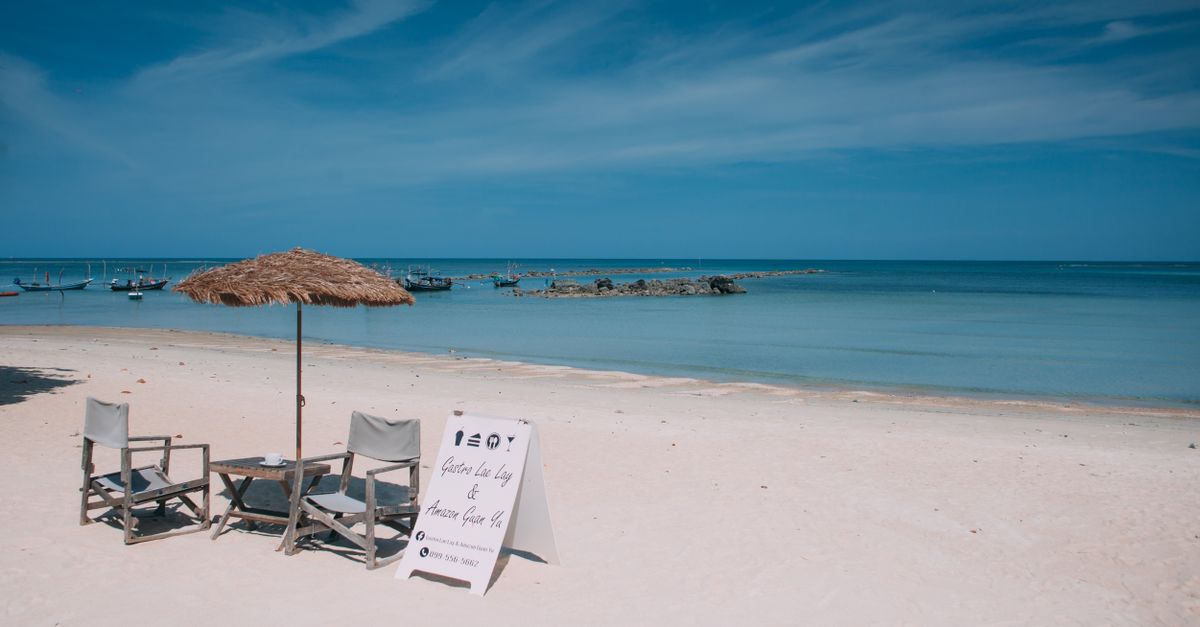
Crucial room details to verify before finalizing a booking
Once an area is chosen, the specific room category becomes the next decision point. A common mistake is booking based on the general hotel photos rather than the specific room type. For instance, a sea view room may offer a partial view of the ocean through trees, whereas a beachfront room provides direct proximity to the sand.
Noise levels are another factor to verify. Rooms facing the street in high-activity areas may be loud late into the night, while rooms facing the garden are typically quieter. It is worth checking recent guest comments regarding soundproofing and AC performance, as the tropical humidity makes a reliable cooling system essential.
For families, checking the bed configuration is vital. Some resorts use sofa beds for extra guests, which may not provide the same comfort as standard beds. Confirming the availability of elevators is also important if the stay is in a multi-story boutique hotel without a lift.
Stay planning checklist for island travelers
- Verify if the hotel has direct beach access or if a road separates the property from the sand.
- Check the map to see the walking distance to the nearest dining hub or nightlife area.
- Confirm the specific room category to ensure the sea view is unobstructed.
- Review the cancellation terms, especially for resorts with strict deposit policies.
- Check if airport transfers are included or if an external taxi is required upon arrival.
- Verify the availability of on-site amenities like Wi-Fi strength and breakfast options.
- Confirm the noise level expectations for rooms located near the street or pool area.
FAQ about where to stay in Koh Samui
Which area is best for those who want both beaches and nightlife?
The eastern coast areas are generally more suitable for this balance. Some zones offer a high concentration of beach clubs and walking streets, allowing guests to transition easily from a day on the sand to evening entertainment without needing extensive transport.
How do I avoid picking a hotel that is too noisy?
When deciding where to stay in Koh Samui, look for rooms specifically listed as garden-facing or those located away from the main road. It is also useful to check recent reviews for mentions of street noise or loud music from neighboring beach clubs.
Is it better to stay in a large resort or a boutique hotel in Koh Samui?
Large resorts may suit those who prefer comprehensive on-site facilities and a more secluded experience. Boutique hotels can be more suitable for travelers who enjoy exploring the local area, dining at various local spots, and having a more intimate stay style.
Matching your travel pace to the right hotel area
The final decision on accommodation should depend on the intended rhythm of the trip. Those seeking a high-energy vacation with easy access to socializing will likely find the most convenience in the active eastern hubs. Those who view the trip as a digital detox or a romantic escape should look toward the quieter northern or western shores, where the pace of life slows down.
It is important to remember that no single area is perfect for every traveler. A location that is convenient for one person may be too chaotic for another. Therefore, comparing several hotel areas against a planned itinerary is the most reliable way to avoid booking a stay that conflicts with the desired mood.
Before moving from the planning phase to payment, travelers should check current rates, room category availability, and the exact map location. Confirming the booking conditions and cancellation policies ensures that the stay remains flexible as travel dates approach.
