

Singapore Hotel Booking Tips for Room Categories and Accessibility
Selecting a base in Singapore often begins with a frustrating realization: the city is small, yet the difference between a well-located room and one that requires multiple transfers can significantly alter the daily travel experience. For budget-conscious travelers, the challenge lies in balancing a nightly rate that fits their wallet with a location that does not eat up their time or transport budget. Navigating the variety of accommodation types, from compact boutique hotels to larger international chains, requires a strategic approach to avoid common pitfalls. These Singapore hotel booking tips are designed to help travelers look beyond the professional photos and understand the practicalities of room layouts and accessibility before committing to a reservation.

Why the stay area determines your daily budget
In a city where efficiency is prioritized, the area you choose to stay in directly impacts your overall spending. While some may be tempted by lower rates in the outskirts, the time and cost of commuting into the central business district or main tourist hubs should be factored into the decision. A room that seems a bargain might actually be more expensive when daily transport costs and lost time are calculated.
For those prioritizing value, areas with high density of public transport options are often more suitable. It is worth considering whether a slightly more expensive room in a centrally located area might actually save money by allowing for more walking and fewer ride-hailing trips. Checking a map to see the actual walking distance to the nearest MRT station is a critical step, as some listings may claim to be near transport while the actual walk is longer than expected.
Comparing city hotels versus boutique stays for value
Travelers often face a choice between standardized city hotels and smaller, independent boutique stays. City hotels usually offer predictable amenities and consistent room sizes, which can be a safer bet for those who dislike surprises. However, they may feel less personal and can be priced higher due to their brand name and prime locations.
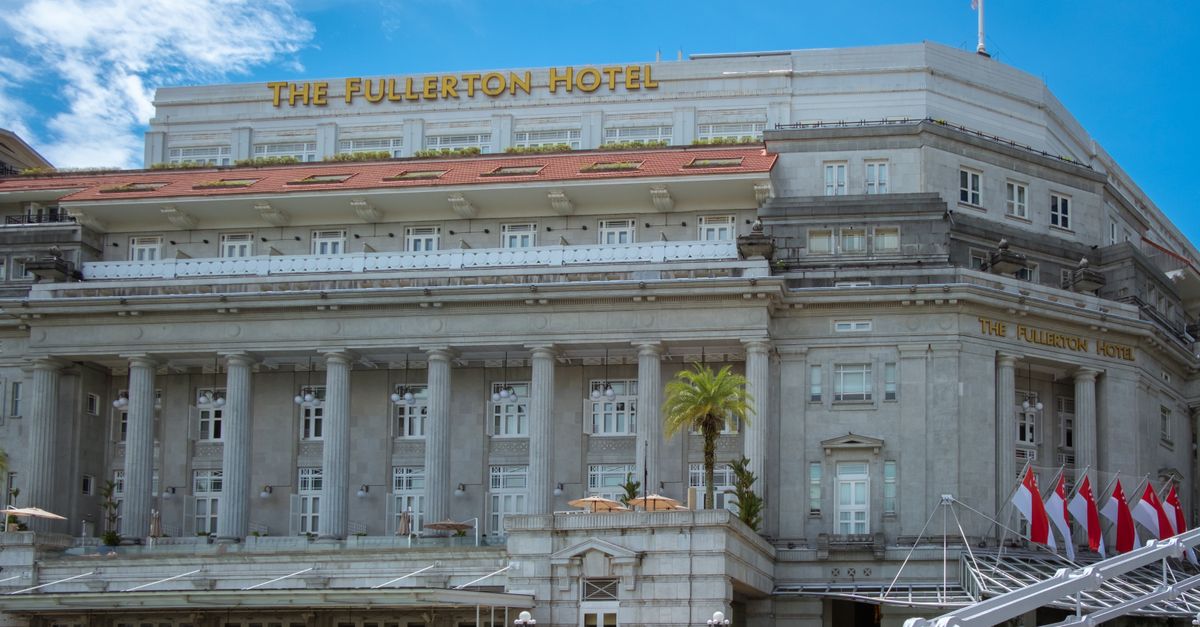
Boutique hotels can offer a more local texture and often a more unique aesthetic. However, for the budget-conscious, these can be risky. Boutique properties in Singapore are known for having highly varied room categories, where a "Standard" room might be significantly smaller than a "Deluxe" room. It is advisable to verify if the room includes a window, as some budget-friendly boutique options in dense areas may offer windowless rooms that can feel claustrophobic over a multi-day stay.
Understanding Singapore room categories before payment
One of the most confusing aspects of Singapore hotel booking tips is deciphering room categories. Terms like "Superior," "Deluxe," and "Premier" are not standardized across the industry. In many Singaporean properties, the difference between a Superior and a Deluxe room may only be a few square meters or the presence of a small seating area.
Budget travelers should pay close attention to the bed configuration. A "Double Room" might feature one large bed, while a "Twin Room" features two singles. For those traveling in pairs but wanting separate sleeping spaces, confirming this detail is essential. Additionally, checking for "Run-of-House" categories is important; these typically mean the hotel assigns any available room at check-in, which could result in the smallest room in the building.
Travelers comparing this destination can place individual hotel reviews next to area guides so the final choice reflects both location and room expectations.
Accessibility and layout details that impact comfort
Accessibility in Singapore extends beyond just disability access; it involves how easily a traveler can move from their room to the city. For those with heavy luggage or limited mobility, the layout of the hotel matters. Some older boutique hotels may have smaller elevators or even narrow staircases if they are converted shophouses.
Inside the room, accessibility refers to the flow of space. In compact city rooms, the placement of the bathroom or the lack of a proper luggage rack can make a room feel cramped. It is worth confirming if the hotel provides elevators to all floors, as some smaller properties might have limited lift access. For families, checking for the availability of interconnecting rooms or larger family suites is a priority, as standard rooms in Singapore are often too small for three or more adults.
Matching the accommodation style to your traveler persona
Different travelers have different priorities when planning their stay. A solo business traveler may prioritize a desk and high-speed Wi-Fi in a central hub, making a streamlined city hotel the most logical choice. For them, a smaller room is acceptable as long as the location facilitates quick meetings and airport access.
Couples may find that boutique hotels in heritage areas offer a more suitable mood, provided they are comfortable with smaller spaces in exchange for character. Meanwhile, budget-conscious families should look for apartment-style stays or hotels in residential zones that offer more square footage and basic kitchen facilities, which can help reduce dining costs. The key is to decide whether the priority is the room's interior luxury or the convenience of the surrounding neighborhood.
A practical checklist for verifying your stay
Before completing a booking, using a checklist can prevent common disappointments regarding room size and location. Consider these points:
- Verify the actual square footage of the specific room category to avoid unexpected compactness.
- Check the map for the real walking distance to the nearest MRT station, not just the general area.
- Confirm if the room has a window, especially in budget-boutique hotels.
- Review the cancellation terms and payment conditions to ensure flexibility for itinerary changes.
- Check if the bed type (Double vs. Twin) matches the needs of all guests in the party.
- Verify the availability of elevators if traveling with heavy luggage or mobility needs.
- Confirm if breakfast or other essential amenities are included to better compare total value.
FAQ about Singapore hotel booking tips
Are room sizes in Singapore generally small?
Yes, many hotels in Singapore have relatively compact rooms due to high land costs. Budget and boutique options are particularly known for small footprints. It is highly recommended to check the room dimensions in the listing or read guest reviews to ensure the space meets your comfort needs.
How does location affect the cost of a stay in Singapore?
Central areas usually command higher nightly rates but offer easier access to major attractions. Staying further out may lower the room price, but you should calculate the additional cost of transport and the time spent commuting to ensure it is a genuine saving.
What should I check regarding accessibility before booking a hotel in Singapore?
You should verify if the hotel has full elevator access to all guest floors and check the proximity of the hotel entrance to the nearest public transport. For those with mobility concerns, confirming the bathroom layout (such as walk-in showers) via the hotel's direct communication is a wise step.
Finalizing your stay decision in the Lion City
Choosing where to stay in Singapore requires a balance between the desire for a central location and the reality of a budget. The most successful bookings usually happen when the traveler prioritizes their non-negotiables—whether that is a specific room size, a certain distance to the MRT, or a particular bed configuration—over the allure of a low price tag. Budget-conscious travelers who are willing to stay slightly outside the primary tourist core but within easy reach of the transit system often find the best value.
For those who prioritize space and accessibility, larger international brands may be a safer choice, while those seeking a local vibe can explore boutique options with a careful eye on room dimensions. As you move from the planning phase to the booking phase, always remember to check the current rates, specific room category, and the most recent availability. Verifying the map location and reading the most recent booking conditions ensures that the stay will support, rather than hinder, the overall travel experience.
