

Comparing Yokohama Hotel Areas for Practical Stay Planning
Deciding where to base yourself in a city as multifaceted as Yokohama often begins with a common struggle: balancing the desire for a scenic atmosphere with the need for practical accessibility. For many international visitors, the choice between the polished, futuristic waterfront and the more grounded transit hubs can feel overwhelming. Understanding the nuances of different Yokohama hotel areas is essential because the experience of a stay in a high-rise luxury tower differs significantly from an apartment-style rental in a residential pocket. This guide is designed for travelers who prioritize functional planning, particularly those seeking more independent living arrangements who need to verify specific amenities before committing to a booking.
Choosing a Base That Matches Your Travel Pace
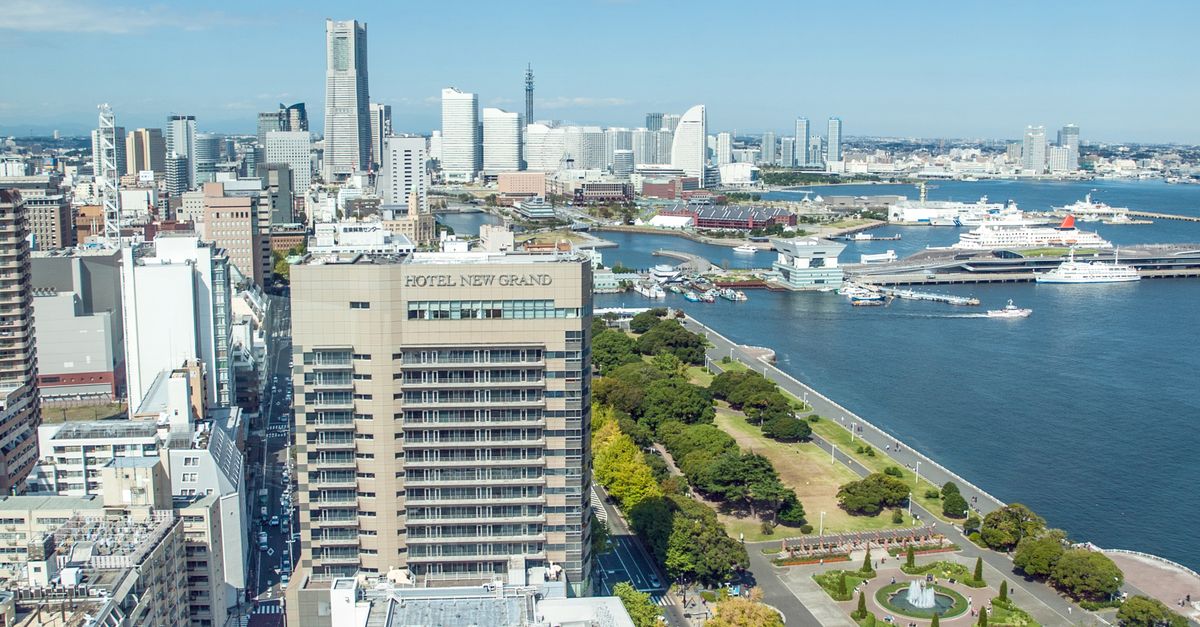
The overall mood of Yokohama is a blend of maritime history and cutting-edge urban design. Depending on your travel style, the neighborhood you choose will dictate the rhythm of your mornings and evenings. Some travelers prefer to wake up surrounded by the glittering skyline and wide promenades, while others find more value in being near a major train station where local life is more apparent.
For those who view their accommodation as a sanctuary rather than just a place to sleep, the fit becomes a matter of infrastructure. Travelers who prefer a slower pace, perhaps spending more time preparing local ingredients or managing laundry during a longer trip, may find that certain areas offer a higher density of apartment-style stays compared to traditional hotels. This distinction is crucial because it affects everything from the noise level of the street to the availability of nearby convenience stores.
Minato Mirai vs Sakuragicho for Accommodation Planning
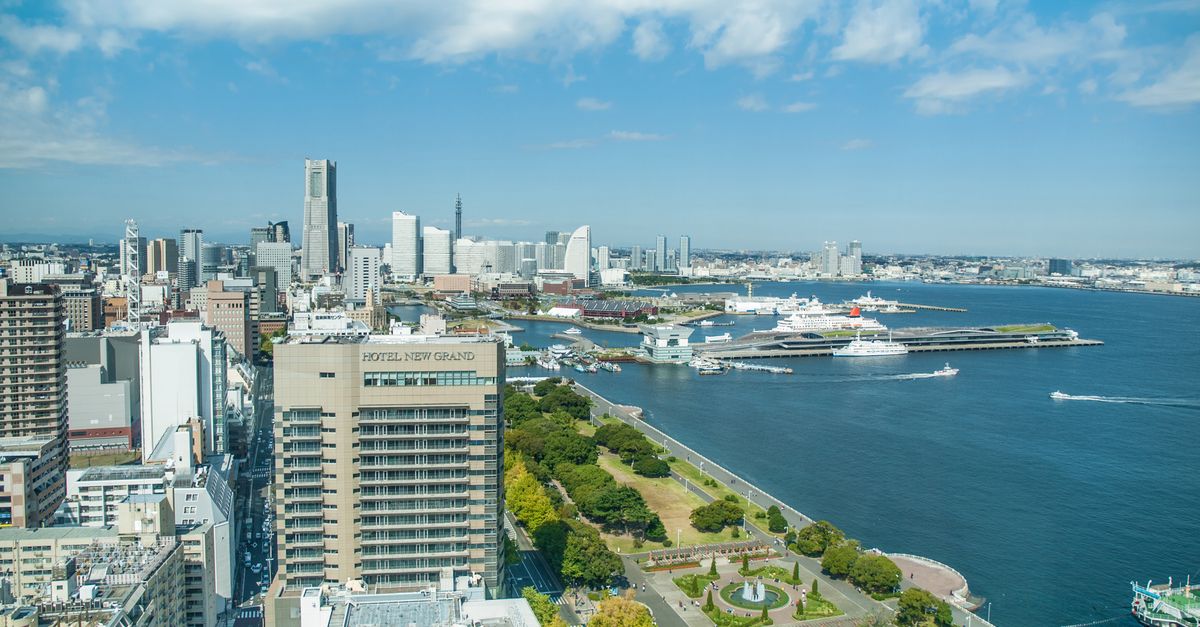
When comparing Yokohama hotel areas, the debate often centers on Minato Mirai and Sakuragicho. Minato Mirai is the planned urban center, characterized by sweeping views of the harbor, architectural landmarks, and a highly curated experience. Stays here often lean toward the high-end or corporate side, offering polished services and immediate access to shopping malls and museums. This area may suit those who value aesthetics and a pedestrian-friendly environment above all else.

Sakuragicho, while adjacent, offers a different functional appeal. As a major transport node, it often provides a more diverse range of accommodation styles. While it still offers access to the waterfront, the area behind the station feels more like a functioning city. Travelers comparing these two zones often find that Sakuragicho can be a more practical choice for those who plan to make frequent day trips to Tokyo or other parts of Kanagawa, as the transit links are more direct.
For the apartment-stay traveler, Sakuragicho and its surrounding residential fringes may offer more options with kitchenettes and washing machines. While Minato Mirai has luxury residences, the practical, mid-range apartment options are often more prevalent as you move slightly away from the primary tourist waterfront.
Why Location Impacts Your Daily Movement in Yokohama
Location in Yokohama is not just about proximity to a landmark; it is about how you navigate the city. The waterfront areas are expansive, and while they are beautiful, the distances between specific attractions can be surprising. Choosing a stay based on a map photo without considering the walking paths can lead to unexpected fatigue.
For travelers focusing on apartment stays, the local texture matters. Checking whether a building is located on a steep slope or in a quiet residential alley can change the experience of arriving with heavy luggage. Furthermore, the proximity to a 24-hour convenience store is a vital consideration for those utilizing kitchen facilities, as these stores are the primary source of quick supplies for independent travelers.
Verifying Apartment Features for Long-Term Comfort
Selecting an apartment-style stay requires a different set of checks than booking a standard hotel room. When browsing different Yokohama hotel areas, it is important to look beyond the interior photos. The functionality of the space is what determines the success of the stay.
First, the kitchen setup should be verified. A kitchenette may only consist of a microwave and a kettle, whereas a full kitchen includes a stovetop and sink. For those planning to cook, confirming the availability of basic cookware is a worthwhile step. Similarly, laundry facilities are a priority for international travelers. Some buildings provide a shared laundry room with coin-operated machines, while others have a private washer inside the unit. It is recommended to confirm which system is in place before payment.
Building access is another critical point. Some apartment stays use smart locks or key boxes, while others require a visit to a reception desk. For late-night arrivals, confirming the check-in method is essential to avoid stress upon arrival. Additionally, the presence of an elevator is not always guaranteed in older, smaller residential buildings, which is a vital detail for families or those with significant luggage.
Room Categories and Booking Conditions to Verify
Regardless of the area, the specific room category can lead to unexpected surprises. In Japan, room sizes are often more compact than travelers from North America or Europe expect. Terms like "Studio" or "One-Bedroom" can vary significantly between providers.
It is advisable to check the actual square footage if provided, or look for photos that show the relationship between the bed and the living area. For those traveling as a group, verifying the bed configuration—such as whether the beds are separates or a single large unit—is a necessary step. Booking conditions, particularly cancellation policies, should be reviewed carefully, as apartment rentals may have stricter rules than traditional hotels.
Travelers comparing this destination can place individual hotel reviews next to area guides so the final choice reflects both location and room expectations.
A Practical Checklist for Your Yokohama Stay
- Confirm if the stay area is within a reasonable walking distance of the nearest train station.
- Verify whether the room includes a private washing machine or a shared building facility.
- Check the kitchen inventory to ensure it meets your cooking needs (stovetop, microwave, utensils).
- Confirm the check-in process, especially for self-check-in apartment properties.
- Review the room category to ensure the bed layout and total square footage are sufficient.
- Verify the cancellation terms and payment deadlines on the booking platform.
- Check the proximity of the building to a convenience store or local supermarket.
FAQ about Yokohama hotel areas
Which of the Yokohama hotel areas is better for families?
Minato Mirai may suit families who prefer a stroller-friendly, pedestrianized environment with many attractions within walking distance. However, families seeking more space and functional amenities like kitchens and laundry should look for apartment-style stays around Sakuragicho or the residential zones, as these often provide larger layouts and more practical facilities.
What should I check before booking an apartment in Yokohama?
You should prioritize verifying the check-in method and the actual amenities provided in the kitchen and laundry sections. It is also worth confirming the building's access, such as the presence of an elevator and the distance to the nearest public transport link, to ensure the location matches your itinerary.
Is it better to stay in Sakuragicho or Minato Mirai for transit?
Sakuragicho is generally more convenient for transit because it serves as a major hub with direct access to various lines. While Minato Mirai is accessible, it often requires more walking or the use of local buses to reach the main railway arteries, making Sakuragicho a more practical choice for frequent travelers.
Finding the Right Balance for Your Visit
Ultimately, the choice between the various Yokohama hotel areas depends on whether you prioritize the curated beauty of the waterfront or the functional convenience of a transit hub. Minato Mirai offers an inspiring backdrop for a short, luxury-focused trip, while Sakuragicho and its surroundings provide the flexibility and infrastructure needed for a more independent, apartment-based stay.
For those who value the ability to cook, do laundry, and move easily through the city, the research phase is the most important part of the process. Travelers should avoid choosing an accommodation based solely on a low price or a few polished photos. Instead, focusing on the specific room category, building access, and map location will ensure the stay supports the travel experience rather than hindering it.
As you move from planning to booking, remember to check current rates, availability, and the latest booking conditions on your chosen platform to ensure everything aligns with your travel dates.
