

Kobe Hotel Areas and Practical Stay Planning for International Travelers
Many travelers make the mistake of choosing a stay based solely on a low nightly rate or a few polished photos. In a city like Kobe, where the geography is split between the mountains and the sea, the actual location can dictate whether a short trip feels seamless or stressful. Understanding Kobe hotel areas is essential for those managing a tight schedule, especially airport stopover travelers who need overnight convenience without unnecessary transit time. This approach ensures that the chosen base supports the itinerary rather than hindering it, preventing the common frustration of finding a beautiful room that is too far from the necessary transport hubs.
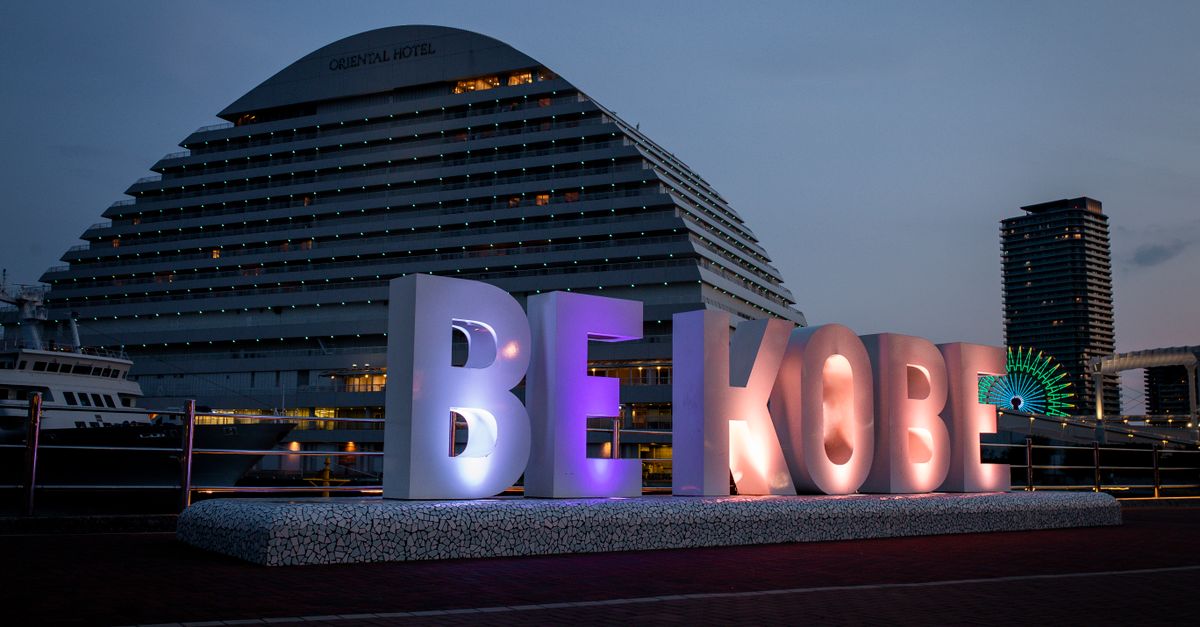
The balance between scenic views and transit efficiency
Kobe offers a unique atmosphere that blends an industrial port history with a sophisticated urban core. For the international traveler, the primary decision often comes down to the mood of the stay. Those seeking a quiet, atmospheric experience may find the harbor-side areas appealing, while those prioritizing efficiency and immediate access to dining and transport will likely gravitate toward the city center.
For travelers using the city as a stopover, the priority shifts from sightseeing to logistics. A stopover stay is not about exploring every alleyway but about minimizing the friction between arrival and departure. Choosing a stay that aligns with the arrival method—whether by train, bus, or shuttle—can save hours of unnecessary movement. This is where the distinction between different Kobe hotel areas becomes a critical part of the planning process.
Comparing the harbor breeze with city center energy
The harbor areas are characterized by open spaces, waterfront promenades, and a slower pace of life. Staying in this zone often means waking up to a sense of openness and being within walking distance of the water. However, this tranquility can sometimes come at the cost of transit convenience. Travelers may find that while the air is fresher, getting to the main train stations or major shopping districts requires a short commute via taxi or local bus.

In contrast, the city center areas are designed for movement. This is the heart of the city's commercial activity, where hotels and apartments are clustered around major transit intersections. For a traveler with only 24 to 48 hours in the city, the center provides an immediate connection to the rest of the Kansai region. The trade-off is a more crowded environment and a lack of the quietude found near the port. Depending on your itinerary, the energy of the center may be a benefit or a distraction.
Travelers comparing this destination can place individual hotel reviews next to area guides so the final choice reflects both location and room expectations.
Planning for apartment stays in a port city
For those opting for an apartment stay rather than a traditional hotel, the planning requirements change. Apartments in Kobe often provide a more residential feel and can be a practical choice for those who prefer a kitchen or a laundry machine during a longer stopover. However, apartment-style accommodations in Japan can vary wildly in size and accessibility.
It is worth considering that many apartment buildings in residential areas may not have the same concierge services as hotels. Self-check-in via lockboxes or digital codes is common, which can be convenient but requires clear communication with the host before arrival. For stopover travelers arriving late at night, confirming the check-in process is a mandatory step to avoid being stranded outside a residential building without a front desk.
Furthermore, the "apartment" label can sometimes be misleading. Some units may be very compact, fitting a bed and a small table in a single room. Verifying the actual square footage and the layout of the sleeping area is highly recommended before payment to ensure the space meets the traveler's comfort needs.
What to verify before confirming a short-term stay
When browsing through various Kobe hotel areas, the visual appeal of a listing can mask practical drawbacks. One of the most important checks is the proximity to the nearest station. In Japan, a walk that seems short on a map may involve navigating steep slopes or complex underpasses, which can be challenging with heavy luggage.

Another critical point is the room category. Many properties offer multiple tiers, and the difference between a "Standard Single" and a "Double" can be significant in terms of floor space. For international travelers, especially those from countries where rooms are generally larger, the standard Japanese room size may feel restrictive. Checking for the presence of an elevator is also essential, as some older apartment buildings in the city may only have stairs, which is a vital detail for those with mobility issues or large suitcases.
Cancellation terms also play a role in stopover planning. Since flights and trains can be delayed, a flexible cancellation policy is more valuable than a slight discount on a non-refundable rate. Confirming the window for free cancellation ensures that a travel delay doesn't result in a lost payment.
Practical checklist for Kobe accommodation planning
- Verify the exact walking distance from the nearest transit hub to the front door.
- Confirm the check-in method, especially for apartment stays with no 24-hour reception.
- Check the actual room square footage to ensure it suits your luggage and movement needs.
- Review recent guest mentions regarding noise levels, particularly in high-density city center areas.
- Verify if the property has an elevator if you are staying on an upper floor.
- Confirm the cancellation policy to allow for unexpected travel schedule changes.
- Check for the availability of basic amenities like a kettle or laundry, which are useful for short stops.
FAQ about Kobe hotel areas
Which Kobe hotel areas are most convenient for airport stopovers?
The city center areas, particularly those around the main transit hubs, are generally more convenient for stopover travelers. These locations minimize travel time to and from transport links, allowing for more rest and easier access to 24-hour convenience stores and dining options without needing long taxi rides.
Should I choose a harbor location over the city center for a short trip?
A harbor location may suit travelers who prioritize a relaxing atmosphere and scenic views over transit speed. While it offers a more tranquil environment, it is likely less ideal for those with a very tight schedule who need to be near the main train stations for a quick departure.
What is the most important thing to check when booking an apartment in Kobe?
The check-in process and the actual room size are the most important factors to verify. Since many apartments use self-check-in, confirming the instructions beforehand is essential. Additionally, checking the room dimensions helps avoid surprises regarding the compact nature of urban Japanese housing.
Matching your stay to your travel rhythm
Ultimately, the decision of where to stay in Kobe depends on the primary goal of the visit. If the trip is a functional stopover, the efficiency of the city center is hard to beat. If the visit is meant to be a brief escape, the harbor's calming influence provides a better emotional experience.
Travelers are encouraged to look beyond the price tag and the curated photos. A cheap room in a distant area can become expensive once taxi fares and lost time are factored in. By comparing Kobe hotel areas based on transit access, room category, and the specific needs of a short-term stay, travelers can ensure their accommodation is a tool for convenience rather than a source of stress.
Before moving from the planning stage to booking, it is always wise to check current rates, real-time availability, and the most recent location maps on a trusted booking platform to ensure the details remain accurate for your specific travel dates.
