

Practical Kyoto Ryokan Booking Tips for International Travelers
Trying to find a traditional stay in Kyoto often feels overwhelming when you realize that not every traditional inn operates like a standard hotel. Many travelers arrive with a vision of tatami mats and multi-course dinners, only to find that their booking lacks the essential meal packages that define the experience, or that the location is far removed from the shrines they planned to visit. For those comparing various options, having a set of Kyoto ryokan booking tips is vital to ensure the reality of the stay matches the expectations of the itinerary. This guide is specifically designed for international travelers who are balancing a desire for authenticity with the practical needs of a modern trip, helping them navigate the nuances of Japanese hospitality before committing to a reservation.

The challenge of matching a traditional stay to a modern itinerary
The mood of Kyoto is one of preserved history and quiet elegance, but the logistics of staying in a ryokan can be quite different from a Western-style hotel. While hotels offer predictability, ryokans provide an immersive cultural experience that often requires more detailed planning. The primary conflict for many travelers is the pace of travel; a traditional ryokan experience often encourages slowing down, whereas a tight sightseeing schedule can make the formal nature of these stays feel restrictive.
Depending on your travel style, a ryokan may suit you best for a one- or two-night "cultural immersion" rather than the entire trip. For those who prefer to explore the city from dawn until dusk, the strict meal times associated with many traditional inns can be a hurdle. It is worth considering whether the desire for a traditional atmosphere outweighs the need for the flexibility provided by a standard city hotel. By understanding this fit, travelers can decide if they should split their stay between a convenient hotel and a traditional inn.
Choosing a district that aligns with your sightseeing pace
Where you choose to stay in Kyoto significantly impacts how much time you spend in transit. While many traditional inns are tucked away in quiet alleys to preserve their atmosphere, this can sometimes mean a longer walk to the nearest bus stop or subway station. For those who prioritize accessibility, staying near Kyoto Station provides a practical base for day trips, though the density of traditional ryokans may be lower in the immediate vicinity of the terminal.
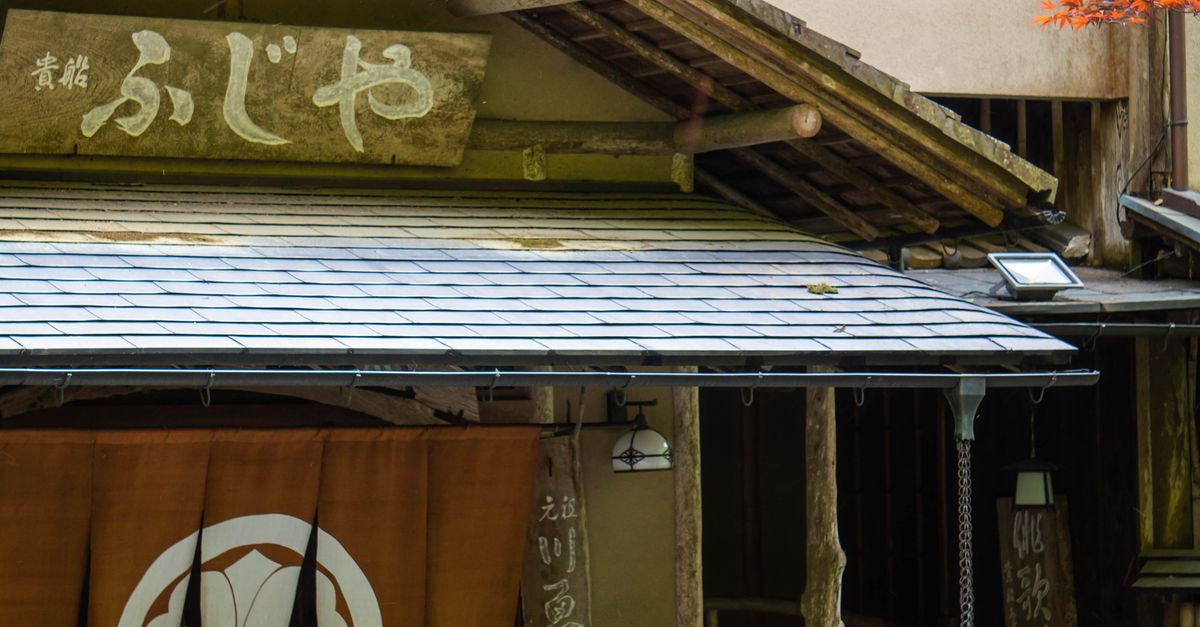
Areas like Gion and Higashiyama are often favored for their local texture, offering a mood that feels like stepping back in time. These districts are likely to appeal to couples or slow-paced travelers who enjoy evening strolls through preserved streets. However, travelers should be cautious and check a map to see how far the property is from main transit lines, as some traditional areas are more reliant on buses, which can be crowded during peak seasons. Travelers comparing this destination can place individual hotel reviews next to area guides so the final choice reflects both location and room expectations.
Understanding the difference between room-only and meal-inclusive stays
One of the most critical Kyoto ryokan booking tips involves the meal plan. Unlike hotels where breakfast is often a buffet, ryokans typically offer two main options: room-only or half-board (breakfast and dinner). The dinner, known as Kaiseki, is a multi-course haute cuisine experience that is often the highlight of the stay. Booking a room-only rate may be more budget-friendly, but it means missing out on a core part of the ryokan culture.
It is worth confirming whether the meal package is mandatory or optional. Some high-end establishments may require a meal plan as part of the room category. Additionally, international travelers with dietary restrictions should verify the inn's ability to accommodate these needs well in advance. Because Kaiseki menus are often fixed and based on seasonal ingredients, sudden changes can be difficult for the kitchen to manage. Checking the booking conditions regarding meal cancellations is also advised, as food costs are often non-refundable even if the room booking is flexible.
Comparing budget-friendly traditional options with luxury experiences
Not all traditional stays are created equal, and the price difference usually reflects the level of privacy and service. Luxury ryokans often provide a dedicated attendant and an en-suite hot spring bath (onsen), creating a private sanctuary. In contrast, budget-friendly traditional options, such as minshuku (family-run guesthouses), may offer a more intimate, home-like atmosphere but often feature shared bathrooms and toilets.
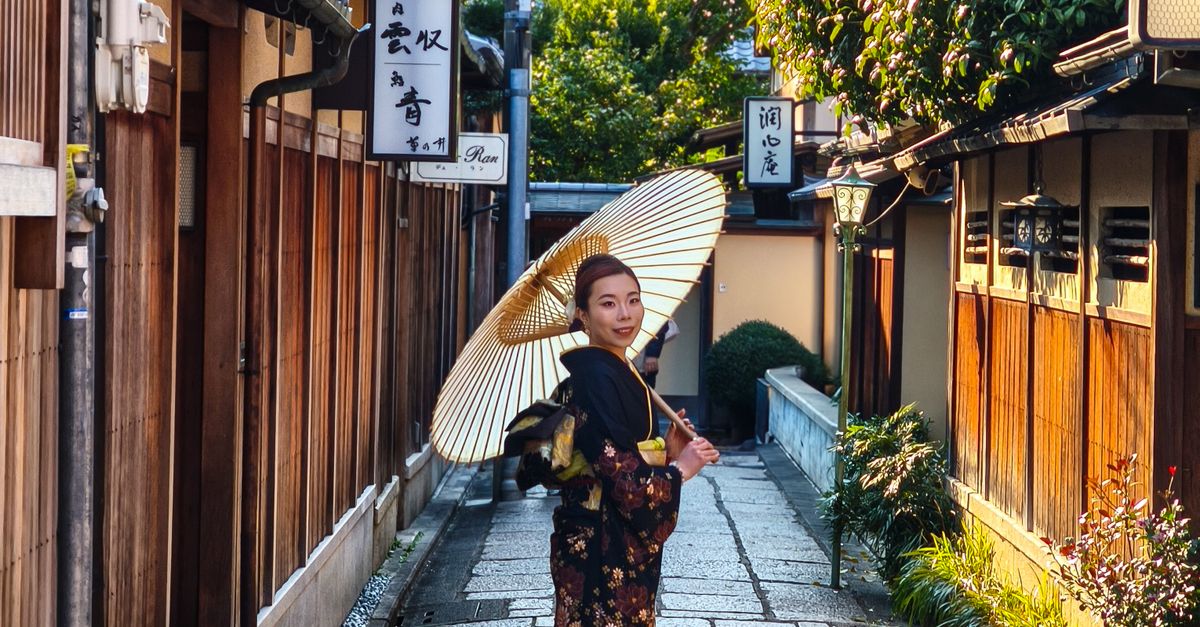
For the budget-conscious traveler, the trade-off is usually between the nightly rate and the level of privacy. Shared facilities are common in smaller, traditional buildings, and this is a key detail to verify before payment. While these options provide a genuine look at local life, they may be less ideal for those who prioritize complete privacy. When comparing these styles, consider the total value: a budget ryokan with a great location might be more practical than a luxury stay that requires a long commute to the city center.
Essential room details to verify before finalizing a booking
The physical layout of a ryokan room differs fundamentally from a hotel. Most rooms feature tatami flooring, which means shoes must be removed at the entrance. The sleeping arrangement is typically a futon laid out on the floor. While this is the traditional way, some travelers find it challenging. It is worth checking if the property offers "Japanese-Western" rooms, which feature tatami areas but provide Western-style beds.
Room size can also be deceptive in photos. Because tatami rooms are measured in "mats," it is useful to look for the actual square footage or the number of mats mentioned in the description. Furthermore, verify the bathing situation. There is a big difference between a room with a private bath, a room with access to a private bath that must be reserved, and a room that only has access to a communal bath. Confirming these details helps avoid disappointment upon arrival.
A practical checklist for your Kyoto stay planning
- Verify if the booking is room-only, breakfast-only, or half-board (breakfast and dinner).
- Confirm the bed type: Traditional futons or Western-style beds in a tatami room.
- Check the map for proximity to the nearest bus stop or subway station to gauge commute times.
- Verify if the bath is private, reservable, or shared with other guests.
- Review the cancellation policy specifically for meal packages, as these may differ from room policies.
- Communicate dietary restrictions or allergies to the property at the time of booking.
- Check if the property has an elevator, as many traditional buildings have steep, narrow stairs.
FAQ about Kyoto ryokan booking tips
What are the most important Kyoto ryokan booking tips for beginners?
The most important tip is to clarify the meal plan and the bathing facilities. Many beginners assume meals are included, but room-only options are common. Additionally, confirming whether the bath is shared or private is essential for those who value privacy, as communal bathing is a standard part of the traditional experience.
How do I choose between a ryokan and a hotel in Kyoto?
Choose a ryokan if you seek a cultural experience and a slower pace of travel, as the service and meals are more formalized. A hotel is more suitable for travelers who prioritize efficiency, Western-style amenities, and a flexible schedule for dining and sightseeing without the constraints of scheduled inn meals.
Are meal packages always mandatory in Kyoto ryokans?
No, meal packages are not always mandatory, though they are highly recommended for the full experience. Some properties offer room-only rates to attract budget-conscious travelers or those who prefer to eat at local restaurants. Always check the room category and inclusions during the booking process to be sure.
Making the final decision on your Kyoto accommodation
Choosing between a traditional ryokan and a modern hotel in Kyoto depends entirely on the goal of your trip. If you are looking for a deep dive into Japanese aesthetics and hospitality, a ryokan is a wonderful choice, provided you have verified the meal inclusions and room types. For those who prefer a high-energy trip with maximum mobility and minimal formality, a centrally located hotel may be the more practical base.
It is recommended that travelers combine both experiences—spending a few nights in a hotel for convenience and one night in a ryokan for the atmosphere. As you move from the planning phase to booking, remember to check current rates, room categories, and availability. Because booking conditions and transport options can change, always verify the most recent map location and cancellation terms before making a final payment to ensure your stay aligns with your actual travel dates and needs.
