

Okayama Hotel Areas and Practical Tips on Where to Stay in Okayama
A beautiful destination can be diminished by a poorly chosen hotel base. When planning a visit to Okayama, the distance between your room and the city's main attractions often determines whether your trip feels like a relaxing getaway or a logistical struggle. For those deciding where to stay in Okayama, especially couples seeking a romantic atmosphere or stopover travelers needing overnight convenience, the choice of neighborhood is the most critical decision in the planning phase. This guide helps travelers align their accommodation with their pace of travel to ensure a seamless experience from arrival to departure.

The balance between a scenic destination and a practical hotel base
Okayama offers a unique mood that blends urban efficiency with serene, traditional beauty. For international travelers, the appeal often lies in the contrast between the modern Shinkansen hub and the timeless elegance of the local gardens. However, the travel experience differs significantly depending on whether the hotel base is chosen for logistics or for atmosphere.
For couples, the priority often shifts toward privacy and a quieter environment that allows for a slower pace. A stay focused on the outskirts of the central bustle may provide a more intimate feeling. Conversely, stopover travelers—those who may only have one night in the city—typically prioritize overnight convenience. For this persona, the goal is to minimize transit time between the station and the room, making the immediate station vicinity a more logical choice.
Understanding this distinction is key. A hotel that looks wonderful in photos but requires multiple transfers to reach the city center may be less ideal for a short-term visitor, whereas a high-traffic business hotel might feel too sterile for a couple on a romantic break.
Analyzing the primary hotel areas for sightseeing
When researching where to stay in Okayama, two main zones typically emerge as the most practical for different types of itineraries. Each offers a different rhythm and level of accessibility to the city's crown jewels, the Korakuen Garden and Okayama Castle.
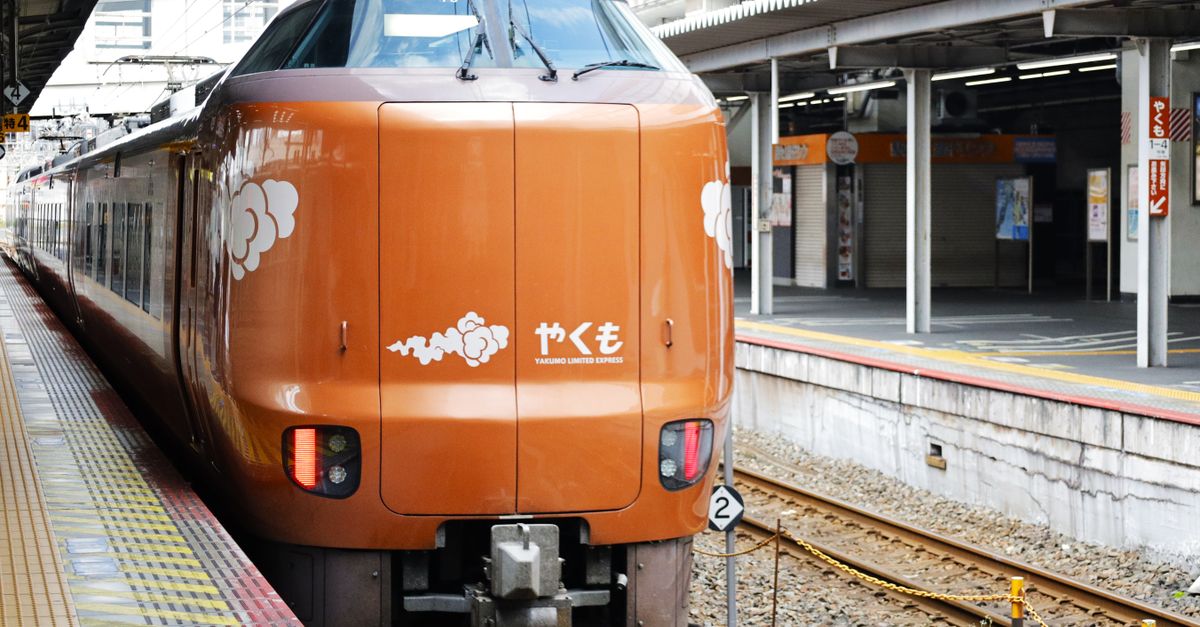
The area surrounding Okayama Station is generally the most convenient for those arriving by train. This zone is characterized by a high density of accommodation options, ranging from business-style hotels to larger international brands. It is worth considering this area if the itinerary involves day trips to Kurashiki or other nearby regions, as it provides immediate access to transport links.
For those who prefer to be within walking distance of the primary sightseeing spots, the area closer to the Korakuen Garden and the castle may be more suitable. While there are fewer large-scale hotels in this zone compared to the station area, staying here can reduce the reliance on public transport for the first few days of the trip. Travelers should check a map to confirm the actual walking distance, as some areas that appear close on a map may involve crossing major roads or navigating one-way systems.
How local layout impacts your daily rhythm
Okayama is relatively compact, but the layout of the city can influence how a traveler feels about their stay. The transition from the modern, commercialized center to the historical districts is quite distinct. If a hotel is located too far into the commercial zone, the morning walk to the gardens might feel like a commute rather than a stroll.
Local transport, including trams and buses, can be useful, but for couples or stopover travelers, the ability to walk to a café or a small gallery adds a layer of texture to the trip. It is worth noting that the area around the gardens is much quieter in the evenings, which may appeal to those seeking peace, while the station area remains active with dining and shopping options late into the night.
Travelers comparing this destination can place individual hotel reviews next to area guides so the final choice reflects both location and room expectations.
Choosing between modern city hotels and local stay styles
The type of accommodation chosen can significantly alter the mood of the visit. Modern city hotels in Okayama are often designed for efficiency. They typically offer consistent standards, reliable Wi-Fi, and streamlined check-in processes, which are ideal for the stopover traveler who needs a hassle-free overnight stay.
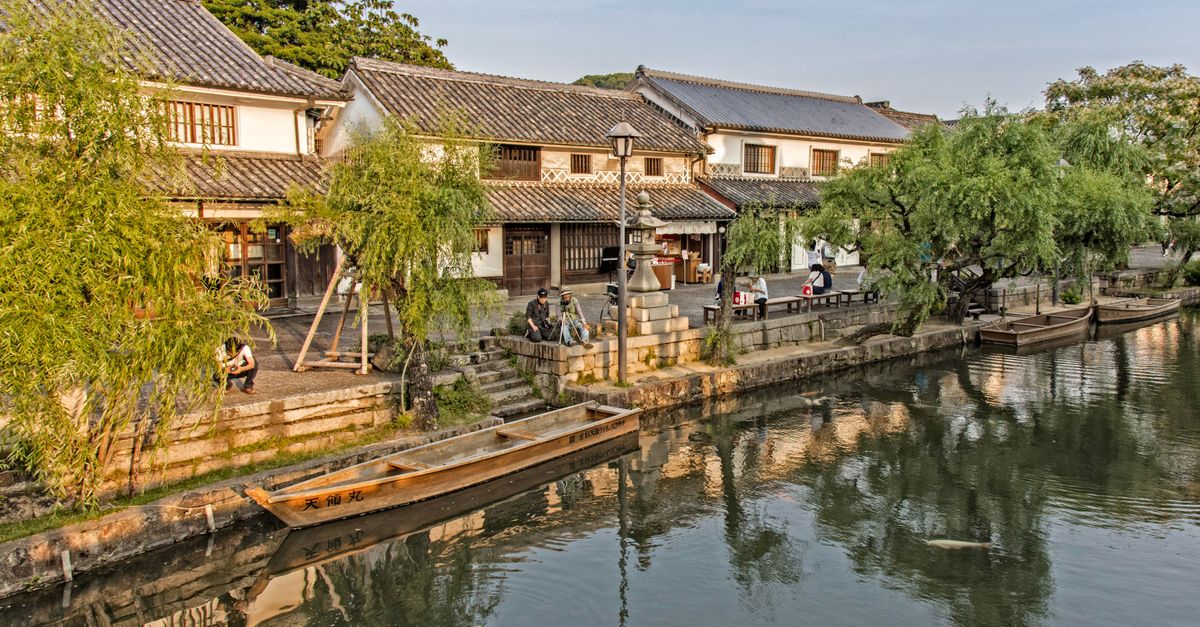
For couples, exploring traditional stay styles or boutique options may be more rewarding. These accommodations often emphasize aesthetic harmony and local materials, providing a sense of place that a standard business hotel might lack. However, traditional stays may have different room configurations, such as futon bedding instead of western beds, which should be verified during the booking process to ensure it matches the travelers' comfort preferences.
A value-based comparison often reveals that while modern hotels offer predictability, boutique or traditional stays offer an experience. The trade-off is usually between the convenience of the station-front location and the charm of a quieter neighborhood.
Essential room details to check before confirming
Booking a stay based solely on a low nightly rate or a few polished photos can lead to disappointment. In Japanese cities, room sizes can vary drastically, and what is described as a double room may be quite compact by international standards.
For couples, it is important to verify the bed size and whether the room offers enough space for luggage without obstructing the walkway. For stopover travelers, checking the proximity of the hotel to the station exit is vital—some hotels may be located a ten-minute walk away despite claiming to be "near" the station.
Additionally, booking conditions should be reviewed carefully. Cancellation terms can vary significantly between room categories. It is recommended to check if the rate is refundable or if it is a non-refundable "special offer," especially if the travel dates are subject to change. Confirming the availability of elevators is also a practical step for those traveling with heavy suitcases.
Stay-planning checklist for Okayama
- Verify the walking distance from the hotel to both Okayama Station and Korakuen Garden using a map.
- Confirm the specific bed type (Western bed vs. Futon) to ensure it fits the traveler's needs.
- Check if the room category includes soundproofing or faces a main road to avoid noise disruptions.
- Review the cancellation policy to ensure flexibility for stopover or multi-city itineraries.
- Verify if the hotel provides luggage storage services for early arrivals or late departures.
- Confirm the presence of an elevator if staying on higher floors with heavy luggage.
FAQ about where to stay in Okayama
Which area is most convenient for visiting Korakuen Garden?
The area surrounding the garden and the castle is most convenient for direct access. However, many travelers find that staying near Okayama Station is a better balance, as it allows for easy arrival and departure while the garden remains accessible via a short taxi ride or a moderate walk.
Is the station area a good choice for couples?
The station area is highly practical but can feel more business-oriented. Couples seeking a more romantic or quiet atmosphere may find hotels slightly further from the main hub or those with interior courtyards more appealing, though they should verify transport options to avoid logistical stress.
What should stopover travelers prioritize when choosing where to stay in Okayama?
Stopover travelers should prioritize proximity to Okayama Station and streamlined check-in/out processes. Ensuring the hotel is within a five-minute walk of the station can save valuable time and effort when dealing with limited overnight hours and heavy luggage.
Making the final choice for your Okayama base
Deciding where to stay in Okayama depends entirely on the intended pace of the trip. For the efficiency-seeking stopover traveler, the station area is almost always the most logical choice, offering immediate access to transit and basic amenities. For couples, a slightly more curated approach—prioritizing atmosphere and a quieter neighborhood—can turn a simple visit into a memorable experience.
Regardless of the chosen area, travelers are encouraged to look beyond the price tag. A slightly more expensive room in a better location often saves more in transport costs and stress than a budget option located on the city's periphery.
Before moving from the planning stage to final payment, remember to check current rates, room categories, and the exact map location of the property. Confirming the booking conditions and availability through a trusted booking site will ensure that the stay matches the expectations set during the research phase.
