

Tokyo Hotel Booking Tips for Better Room Size and Transport Access
Planning a trip to Japan often begins with a list of sights, but the actual experience of the city is heavily dictated by where you wake up each morning. In a metropolis as vast and complex as Tokyo, the choice of accommodation is not just about a bed; it is the foundation upon which the entire itinerary is built. For many international visitors, the disconnect between a hotel's photos and the physical reality of a room can lead to unexpected stress. Utilizing a few strategic Tokyo hotel booking tips before confirming a reservation can prevent the frustration of cramped quarters or overly long commutes to the city's main attractions.

Why the hotel base determines the flow of your Tokyo itinerary
Tokyo is not a single center but a collection of interconnected hubs. Because the city is so spread out, the time spent traveling from a hotel to a destination can vary significantly depending on the neighborhood. Choosing a base before finalizing a daily schedule is a practical approach because it allows travelers to group activities by location, reducing unnecessary transit time and fatigue.
A hotel located near a major transit artery might seem convenient, but if the walk from the station to the lobby is fifteen minutes through crowded alleys, the perceived convenience vanishes. Understanding the layout of the city helps travelers decide whether they prefer the high-energy atmosphere of major commercial centers or the quieter, more residential feel of outlying districts. This decision fundamentally changes the mood of the trip, shifting it from a fast-paced urban exploration to a more balanced experience.
Comparing stay areas to match your travel pace
Different districts in Tokyo offer varying advantages depending on the traveler's priorities. Areas like Shinjuku and Shibuya are often considered for their immediate access to shopping, dining, and major transport lines. These areas may suit those who want to be in the heart of the action, though they often come with higher noise levels and more crowded sidewalks.
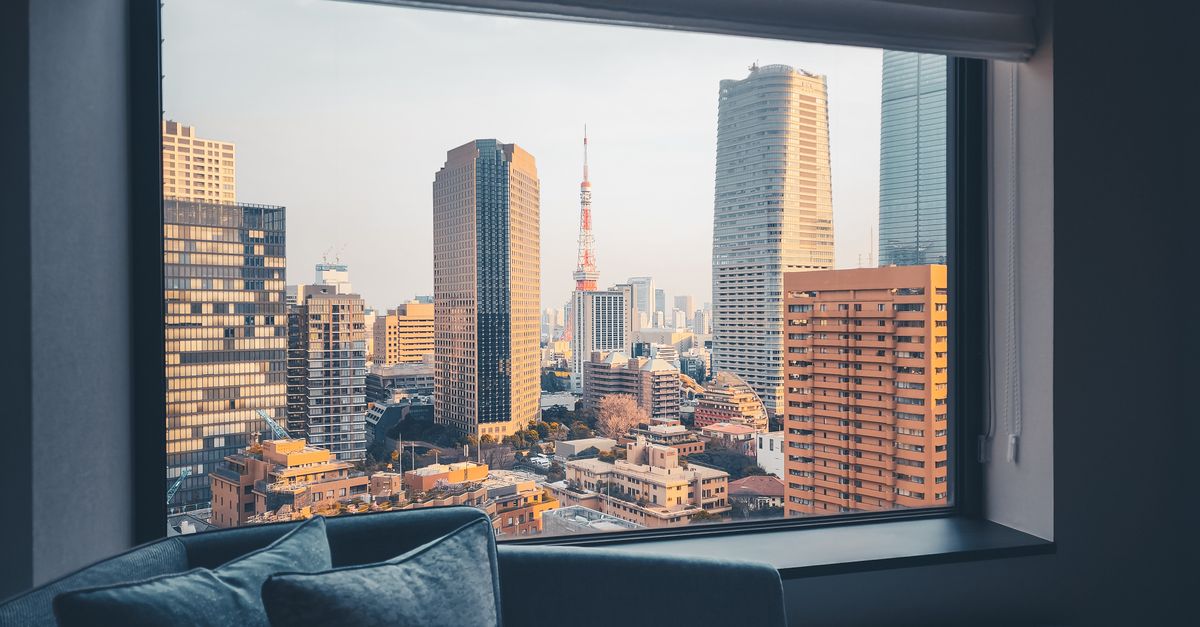
Alternatively, areas around Ginza or Marunouchi may be more suitable for those seeking a more refined, polished atmosphere with easier access to high-end dining and business centers. For travelers who prefer a slower pace, staying in areas like Asakusa can provide a more traditional feel, though it may require more time to reach the western side of the city. Travelers comparing this destination can place individual hotel reviews next to area guides so the final choice reflects both location and room expectations.
When evaluating areas, it is worth considering the specific train lines served by the nearby stations. Access to the JR Yamanote line, which circles the city center, is often a priority for first-time visitors, while those with a specific list of Metro-accessible sights might find a hotel near a subway intersection more practical.
The reality of room dimensions in a dense metropolis
One of the most common surprises for international travelers is the scale of Tokyo hotel rooms. Due to the extreme value of land in the city, space is optimized to a high degree. A room that looks spacious in wide-angle photos may, in reality, offer very little floor space for open suitcases. It is important to check the listed square footage or square meters in the room description rather than relying on images alone.
Many properties offer "Semi-Double" rooms, which are often smaller than a standard double and may feel restrictive for two adults. For those traveling with large luggage, verifying if the room has a dedicated luggage area or if the suitcase must be kept on the bed is a critical check. For families, looking for rooms categorized as "Twin" (two separate beds) often provides slightly more floor space than a single large bed in a compact room.
Business hotels are a common and efficient choice in Tokyo, offering standardized, clean, and functional spaces. However, these are designed for single occupants or couples with minimal luggage. If your travel style involves more comfort and space, searching for international-standard hotels or larger suites may be a more suitable, albeit more expensive, path.
Navigating transport access from your hotel doorstep
In Tokyo, "close to the station" is a relative term. A hotel may claim to be a five-minute walk from a station, but this does not account for the time it takes to navigate the station's internal corridors to reach the correct platform. It is worth confirming which exit of the station is closest to the hotel, as some Tokyo stations have dozens of exits spread across several blocks.

Transport access also involves the type of transport. Relying solely on one network (like only JR or only Metro) can limit flexibility. A hotel located near a station that serves both a JR line and a subway line often provides the most seamless experience. Additionally, travelers should check for the presence of elevators at the nearest station exits, especially if they are traveling with heavy bags or strollers.
For those arriving via Narita or Haneda airports, the ease of the initial transfer to the hotel is a major factor. Hotels located near stations served by the Narita Express or the Monorail can significantly reduce the stress of arrival, especially for those arriving late at night or with elderly companions.
Choosing the right accommodation style for traveler fit
The choice between a traditional hotel, a boutique stay, or a serviced apartment often depends on the group composition. Solo travelers and business visitors often find the efficiency of business hotels perfectly adequate. Couples may prefer boutique options in quieter neighborhoods to avoid the intensity of the main hubs.
Families often face the biggest challenge in Tokyo due to strict occupancy laws and small room sizes. In many cases, booking two connecting rooms or looking for apartment-style accommodations may be the only way to ensure everyone has enough space. Apartments can be particularly useful for longer stays, providing laundry facilities and small kitchenettes that reduce the daily reliance on eating out.
Budget-conscious travelers should weigh the trade-off between a lower nightly rate in a distant neighborhood and the added cost and time of daily commuting. Often, paying a small premium for a more central location saves both time and transport fares, resulting in a better overall value for the trip.
Essential checks before confirming your stay
Before finalizing a booking, a systematic review of the listing can prevent common pitfalls. It is advisable to cross-reference the hotel's location on a map to see exactly how many blocks it is from the nearest station and if the route involves steep hills or major intersections.
- Verify the exact room size in square meters to ensure luggage fits.
- Confirm the bed configuration, specifically avoiding "Semi-Double" if more space is needed.
- Check the specific station exit nearest to the hotel for easier navigation.
- Review the cancellation terms to allow for itinerary changes.
- Check for elevator access in the building and at the nearby transit stops.
- Confirm whether the room has a window or is an "internal" room without natural light.
FAQ about Tokyo hotel booking tips
What are the most important Tokyo hotel booking tips for families?
Families should prioritize room size and bed configurations above all else. It is worth checking if the hotel allows three or more adults in one room, as many Tokyo properties have strict limits. Booking two separate rooms or seeking apartment-style stays is often the most practical way to ensure sufficient space for children and luggage.
How does transport access affect the stay experience in Tokyo?
Transport access determines how much of your day is spent commuting versus sightseeing. Staying near a station on the JR Yamanote line or a major subway intersection typically reduces travel time to key districts. It is important to verify the actual walking distance from the station exit to the hotel entrance.
Is it common for Tokyo hotel rooms to be small?
Yes, compact rooms are a standard feature of the Tokyo hospitality landscape, particularly in business hotels. Many rooms are designed for efficiency rather than lounging. Travelers should check the square footage in the listing to manage expectations and decide if a larger room category is necessary for their comfort.
Finalizing your Tokyo stay decision
Deciding where to stay in Tokyo requires a balance between the desire for a central location and the need for physical comfort. For those who prioritize efficiency and are comfortable with compact living, a business hotel near a major hub is a logical choice. Travelers who require more space, are visiting with family, or prefer a slower pace should look toward apartment-style stays or hotels in residential districts.
As you move from the planning phase to the actual booking, remember that rates and availability change frequently based on the season. It is highly recommended to check the current rates, specific room category, and latest booking conditions on a trusted booking site. Always verify the map location one last time to ensure the transport access aligns with your planned itinerary before making a final payment.
